
How to Compare Car Buyers in Melbourne Before Selling Your Vehicle
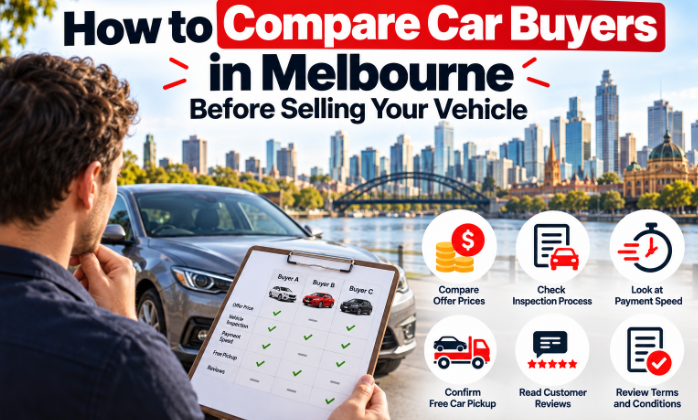
Selling your car can feel like a win when you receive a strong offer, but the highest quoted price is not always the best deal. Inspection conditions, payment timelines, and paperwork can all affect your final experience. If you are comparing a car buyer in Melbourne, understanding these differences can help you secure a fair valuation and sell your vehicle with greater confidence.
Why Should You Compare More Than One Car Buyer in Melbourne?
Comparing car buyers means assessing their offers, valuation methods, inspection requirements, payment arrangements, and overall convenience before committing to a sale. This helps you understand what each buyer is actually offering rather than choosing based on price alone.
For example, one buyer may quote a higher initial amount but revise it significantly after inspection. Another may provide a personalised valuation based on your car’s condition, service history, kilometres and specifications, giving you a clearer starting point.
Before accepting an offer, compare these factors:
- Final price: Is the amount confirmed or subject to further assessment?
- Valuation process: Does the buyer consider your vehicle’s specific features and condition?
- Inspection terms: When will the inspection occur, and what could change the offer?
- Payment timing: When will the money reach your account?
- Convenience: How much time will you spend managing enquiries, inspections, and paperwork?
A little research can prevent unnecessary delays and help you choose a selling process that suits your priorities.
How Can You Tell Whether a Car Valuation Is Fair?
A fair car valuation reflects the vehicle’s market demand, age, kilometres, condition, service history, and specifications. For prestige vehicles, factors such as optional features, maintenance records, ownership history, and the desirability of a particular model may also influence the offer.
Do not rely on a single online estimate. Compare similar vehicles listed for sale, check their age and condition, and remember that advertised prices do not necessarily represent completed sale prices.
| Valuation factor | What to check |
| Make, model and variant | Are comparable vehicles genuinely similar? |
| Odometer reading | Is the mileage consistent with the quoted value? |
| Service history | Are maintenance records available? |
| Condition | Have cosmetic damage or mechanical issues been considered? |
| Features and demand | Do the specifications make the vehicle more desirable? |
Ask each buyer how they arrived at the valuation and whether it includes any assumptions about the car’s condition. A transparent explanation is more useful than an attractive figure without supporting details.
What Should You Check Before Agreeing to a Vehicle Inspection?
An inspection helps a buyer verify the vehicle’s condition before completing the purchase. It may cover the exterior, interior, tyres, service records, odometer reading and relevant mechanical concerns. The scope and timing vary between buyers, so confirm the process before arranging an appointment.
Ask these questions before proceeding:
- Is the inspection included in the buying process?
- Will the quoted offer remain valid until the inspection?
- Which findings could lead to a revised price?
- Do you need to provide service records, spare keys, or registration documents?
- Can you decline the revised offer if the price changes?
A clear inspection process is particularly important when selling a luxury vehicle, where condition, specification, and maintenance history can materially affect its value.
You should also be upfront about known faults. Honest disclosure helps reduce disagreements and allows the buyer to assess the vehicle on accurate information.
How Do Payment Terms and Transfer Requirements Affect Your Decision?
A reliable car buyer should explain when payment will be made, which documents are required, and how the vehicle handover will work. Before accepting an offer, confirm that payment will be made through an agreed, traceable method and that the funds have cleared before releasing the keys.
Be cautious of buyers who pressure you to act immediately, send suspicious payment confirmations, or request refunds for supposed overpayments. Scamwatch’s guidance on buying and selling scams explains common warning signs, including fake payment claims and unusual payment arrangements.
In Victoria, sellers generally need to submit a notice of disposal within 14 days of selling a registered vehicle. Check the current VicRoads vehicle-selling requirements to confirm the paperwork and roadworthy requirements that apply to your circumstances.
A buyer who explains each step clearly can make the transaction easier to manage, particularly if you are selling your current vehicle while organising a replacement.
Which Type of Car Buyer Is Best for Your Selling Needs?
The best buyer depends on whether you prioritise the potential sale price, speed, convenience or specialist knowledge. Comparing selling methods helps you understand the trade-offs before deciding.
| Selling option | Main advantage | Consideration |
| Private buyer | You control the asking price and negotiations. | You manage advertising, enquiries and inspections. |
| Trade-in dealer | Convenient when purchasing another vehicle. | Compare the trade-in value with the overall deal. |
| Specialist car buyer | May offer a more direct process for prestige vehicles. | Confirm valuation criteria and inspection conditions. |
If you want to avoid managing multiple private enquiries, consider a buyer that offers an online enquiry process, an individual valuation, an agreed inspection and secure payment. For example, when looking for a car buyer in Melbourne, check whether the process is clearly explained from the first valuation through to final payment.
The important point is to compare the complete service, not simply the first number you receive.
What Should You Remember When Choosing a Car Buyer in Melbourne?
Choosing a buyer becomes easier when you compare written offers, ask direct questions and check the conditions attached to each valuation. Prioritise transparent pricing, clear inspection terms, secure payment and a straightforward transfer process.
Australia’s used-car market also makes informed decisions important. The ACCC’s report published in December 2025 noted that the ACCC and state and territory consumer protection agencies received more than 14,000 consumer reports about second-hand cars during 2024–25.
These reports covered issues including poor-quality vehicles and difficulties obtaining remedies. While the figure is not specific to private sellers choosing buyers, it reinforces the value of clear information and careful transactions. Read the ACCC’s second-hand car report for further context.
As online valuations and streamlined selling processes continue to shape how Australians sell vehicles, comparing buyers carefully can help you save time, understand your car’s value and make a more confident decision.