
How Can Metal Engraving Machines Handle Different Metal Types and Surface Finishes?
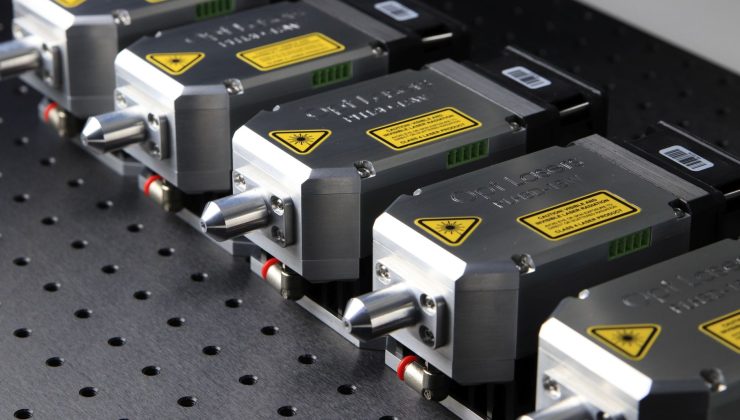
Metal components often require permanent identification for traceability, branding, asset management and operational purposes. However, not every metal responds to engraving in the same way. Differences in hardness, reflectivity, composition and surface finish can affect the appearance and consistency of the finished mark.
Modern Metal Engraving machine technology can be configured for a wide range of metals, but achieving reliable results requires the engraving process to be matched to the specific material and surface characteristics.
Why Do Different Metals Require Different Engraving Settings?
Metals vary considerably in their physical properties. Aluminium, stainless steel, brass, copper and coated metals can each react differently to mechanical or laser-based engraving.
Harder materials may require different cutting parameters when using mechanical engraving equipment, while highly reflective metals can require careful control when processed with laser technology.
Machine speed, engraving depth, power, frequency and tool selection can all influence the finished result. Rather than applying identical settings to every metal, operators typically adjust the process according to the material and the required appearance.
How Are Different Metal Types Engraved?
A Metal Engraving machine can be used to create text, serial numbers, logos, symbols and identification codes on various metal surfaces. The appropriate process depends on the material and the desired depth.
Aluminium, for example, is relatively lightweight and can be engraved for equipment identification and product labelling. Brass can also be engraved to produce detailed lettering and decorative or identification marks.
Stainless steel presents different requirements because of its hardness and surface properties. The engraving method needs to be selected carefully to achieve clear identification without producing unwanted surface damage.
What Makes Stainless Steel Engraving Different?
Stainless steel is widely used in industrial equipment, machinery, tools and fabricated components because of its durability and corrosion resistance. These same properties can influence how the material responds to engraving.
Laser engraving stainless steel can produce precise identification without relying on adhesive labels or printed markings. Depending on the laser system and settings, the surface can be marked or engraved to create readable text, codes and graphics.
The required result can vary from a subtle identification mark to a more pronounced engraved finish. Material grade, surface condition and the desired contrast should therefore be considered when determining the appropriate process.
How Do Surface Finishes Affect Engraving?
The condition of the metal surface can have a significant effect on the final appearance. Polished, brushed, anodised, coated and unfinished surfaces may respond differently to engraving.
A highly polished surface, for example, can reflect laser energy differently from a brushed or matte finish. Coated metals may also require different processing because the engraving process needs to interact with the coating as well as the underlying material.
Before production begins, testing the chosen engraving method on the actual surface finish can help establish suitable parameters and confirm the expected result.
Can Engraving Be Used for Detailed Identification?
Modern engraving equipment can reproduce relatively small text, symbols, numbers and machine-readable codes when the material and equipment are suitable.
This can make engraving useful for applications where permanent identification is important. Manufacturers may engrave serial numbers, model references, batch information, logos or traceability codes directly onto components.
For production environments, consistent positioning and repeatability are also important. Digital design and machine-controlled engraving can help reproduce the same information across multiple components.
What Factors Should Be Considered Before Engraving?
Several factors should be assessed before selecting an engraving process. These include the type and grade of metal, surface finish, component size, required engraving depth and desired contrast.
The operating environment should also be considered. Components exposed to abrasion, chemicals, moisture or frequent handling may require a different identification approach from products used in controlled indoor environments.
For laser applications, equipment specifications and material compatibility are particularly important. Testing sample pieces can help determine suitable settings before full production begins.
Why Is Material Testing Important?
Even when two components appear visually similar, their composition or surface treatment may produce different engraving results. Material testing allows operators to assess the appearance, readability and consistency of the proposed mark.
Testing can also help identify whether the selected process produces the required level of contrast or depth without unnecessarily affecting the surrounding surface.
Selecting an Engraving Method for Different Metals
The right engraving method depends on the combination of material, surface finish and application requirements. Mechanical engraving may be appropriate when a physical recess is required, while laser-based processes can provide precise surface identification for compatible metals.
For applications involving laser engraving stainless steel, selecting suitable equipment and processing parameters is essential for achieving consistent results. Similarly, other metals may require their own settings based on their physical and surface characteristics.
By considering the metal type, finish, identification requirements and operating environment before production, businesses can choose an engraving process that delivers clear, durable and repeatable identification across a range of metal components.