How to Pick the Right Youth ATV for a First-Time Rider
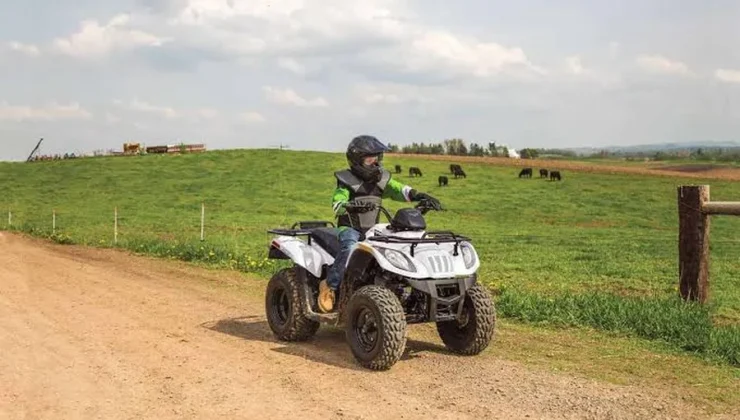
A youth ATV is an all-terrain vehicle that has been made small specifically for children to use under the supervision of adults. Each type has a designated age group that it is meant for, along with height specifications. An ill fit could mean that a rider gets stuck with a vehicle that is too large or fast.
With the assistance of a local powersports retailer, such as a Kayo dealer near Denver, it becomes easier to make the selection. It will depend not only on the age but also on the physical attributes of the rider. Here is how to do the fit test for an ATV.
Match the ATV to the Rider’s Age
Young ATV’s have an age sticker attached to the machine. These include stickers like Y-6+, Y-10+, among others. The number attached to the Y represents the minimum age requirement for the model. A parent might be tempted to go a step higher to allow room for growth. A bigger machine will prove difficult to maneuver for a small kid. The additional weight may make it hard to maneuver the machine in rough terrain and hilly areas. The better choice is the age label that matches the rider at the time of purchase.
Check How the Rider Sits on the ATV
- Each foot should rest flat on its footrest with the knees slightly bent.
- The rider should reach the handlebars without a full stretch of the arms.
- A thumb throttle should sit within easy reach of the right thumb.
- Brake levers should fit small hands so the rider can squeeze them with ease.
- The rider should turn the handlebars fully to each side while still seated.
- A rider who passes each check has the reach to steer or brake on demand.
Start with a Low Top Speed
Safety in terms of speed is one thing that concerns every parent who purchases an ATV for the first time. According to federal statistics from the U.S. Consumer Product Safety Commission, there is justification behind such worry. On average, CPSC notes more than 100,000 visits per year to the ER in the 2018-2022 period as a result of injuries related to off-road vehicles. In the same vein, CPSC noted 123 fatalities of riders aged below 16 in 2020. This is why speed limiters are included in youth ATVs. Parents can loosen the limit in small steps as the rider gains skill.
Choose a Small Engine for Early Rides
Engine size on an ATV is listed in cc, short for cubic centimeters. Youth models usually range from about 50cc to 125cc. A smaller engine gives a gentle pull that suits a rider on day one. Next, a fully automatic transmission removes the need to work a clutch or shift gears. That setup leaves the rider free to watch the trail ahead. Families can move up to a larger engine once the rider shows steady control.
Look for Built-In Safety Controls
A tether kill switch is a cord that clips to the rider’s clothes or wrist. If the rider falls off, the cord pulls loose to shut down the engine. Some models also offer a remote shutoff that lets a parent stop the engine from a distance. In addition, a parking brake keeps the ATV in place on a slope. Full fenders block mud spray, while footwells keep feet off the ground. These features give parents more control during the first few weeks of practice.
Add the Right Protective Gear
An ATV purchase should include a full set of protective gear for the rider. A helmet with a DOT label meets the federal standard for motor vehicle helmets. Goggles block dust, while gloves give a firmer grip on the bars. Over-the-ankle boots support the feet on the footrests. Long sleeves plus long pants cover the skin from branches or rocks. A proper fit matters for gear just as it does for the ATV itself.
Let a Dealer Confirm the Final Fit
A showroom visit lets the young rider sit on several models before the family decides. Shops with youth lines in stock, for instance, the Kayo dealer near Denver, can let families compare sizes in one visit. Staff can check the rider’s reach on each machine with the same fit points above. They can also show the speed limiter adjustment before the ATV leaves the store. Afterward, a dealer service department can handle routine upkeep as the rider grows. This support takes much of the guesswork off the parent.
A first youth ATV works best when it matches the rider’s age as well as body size. A machine that is too big or too fast can make early rides harder to control. The best step is a hands-on fit check with the age label in view. A limiter set low plus full protective gear add another layer of care. The result is a first ride that builds skill at a steady, comfortable pace.