
Common Myths About Truck Accident Lawyers and the Truth Behind Them
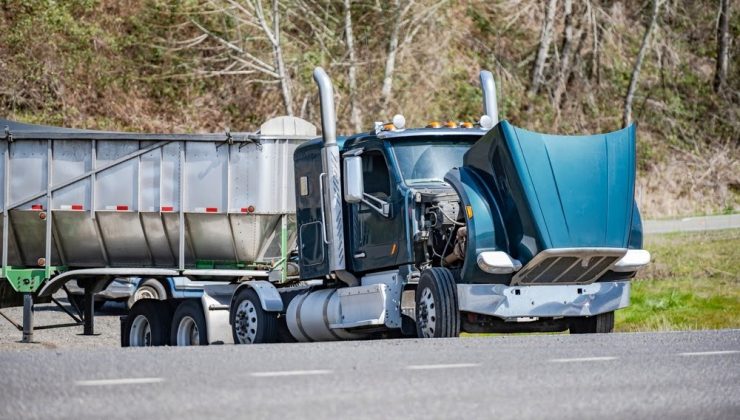
A truck accident claim can involve more than a damaged vehicle and an insurance form. Large trucks operate under specific safety rules, and a crash may raise questions about driver actions, company records, vehicle maintenance, and who should pay for the losses.
But wrong ideas about legal claims often make the process harder to understand. Some people believe hiring a lawyer always means going to court, while others assume the insurance company will handle everything fairly. Knowing the facts about truck accident lawyers can help injured people make informed choices.
Let’s have a look at the common myths and the truth behind them.
Myth 1: Truck Accidents Are Just Like Car Accidents
A crash involving a truck may require a different kind of investigation than a collision between two cars. Commercial trucks are larger, may carry heavy loads, and must follow rules that do not apply to every private vehicle. The people or companies involved may also differ.
A claim could involve the truck driver, the trucking company, the vehicle owner, a maintenance provider, or a cargo loading company. Records such as driver logs, inspection reports, maintenance files, and truck data may help explain how the crash happened.
However, not every truck accident involves several responsible parties. The facts of the crash determine who may be held responsible and what evidence matters. Treating every case like a simple car accident can overlook details that need closer review.
Myth 2: Hiring a Lawyer Means Going to Court
Some people avoid legal guidance because they picture a long court battle with formal hearings and endless paperwork. However, hiring a lawyer does not automatically mean a case will go to trial. Many claims involve discussions with insurance companies and efforts to reach a settlement before court becomes necessary.
The process often begins with gathering records, reviewing the crash details, and assessing the losses linked to the injuries. The parties may then discuss whether they can agree on responsibility and payment. If they cannot settle important disagreements, a lawsuit may be needed.
There is no fixed path for every claim. Some cases resolve through settlement, while others require a judge or jury to decide disputed issues. The available evidence and the positions of those involved affect how the case proceeds.
Myth 3: Insurance Companies Always Offer Fair Compensation
Insurance companies review claims, but their assessment may not match the injured person’s view of the losses. An insurer might question who caused the crash, how serious the injuries are, or whether all the requested expenses relate to the accident.
For example, an offer may not account for all documented treatment costs, missed work, or the need for further medical care. This does not mean every first offer is unfair, but it should be assessed against the evidence rather than accepted without review.
Medical records, wage statements, repair bills, and other documents can help explain the losses involved. Clear records also make it easier to answer questions about the claim. Compensation is never guaranteed, and any amount depends on the facts, the available proof, and the law that applies.
Myth 4: Any Lawyer Can Handle a Truck Accident Claim
Not all lawyers handle the same types of cases. Truck accident claims may involve commercial driving rules, company safety records, vehicle inspections, and several parties with different insurance policies. Experience with these issues can matter during an investigation.
Before choosing a lawyer, ask about their experience with truck accident claims, how they investigate crashes, how they communicate with clients, and how their fees work. A clear answer can help you understand what to expect from the working relationship.
Legal guidance may also help explain the evidence needed, possible claims, and deadlines that apply to the case. The right approach depends on the circumstances, so no lawyer should promise a particular result before reviewing the facts.
Myth 5: There Is Plenty of Time to File a Claim
Waiting too long after a truck crash can create problems. Personal injury claims have legal deadlines, and the time allowed depends on the state and the details of the case. Special notice rules may apply if a government body is involved.
Evidence may also become harder to find as time passes. Camera footage could be erased, vehicles repaired, and records become more difficult to obtain. Driver logs, inspection reports, photographs, and witness details may all be useful during an investigation.
Keeping records available and checking the deadline early can help prevent avoidable delays. The rules differ by location and claim type, so people should not assume every case has the same filing period.
Separate the Myths From the Facts
Truck accident claims can involve detailed evidence, insurance disputes, and deadlines that deserve careful attention. Believing common myths may lead people to misunderstand the process or overlook important questions about their claim.
Truck accident lawyers can explain legal options, review relevant evidence, and help people understand the steps involved without promising a specific outcome. Before making decisions, learn how the rules apply to your circumstances and keep records related to the crash, your injuries, and your financial losses.