A Practical Guide to Buying Thermal Paper Rolls Direct From the Factory
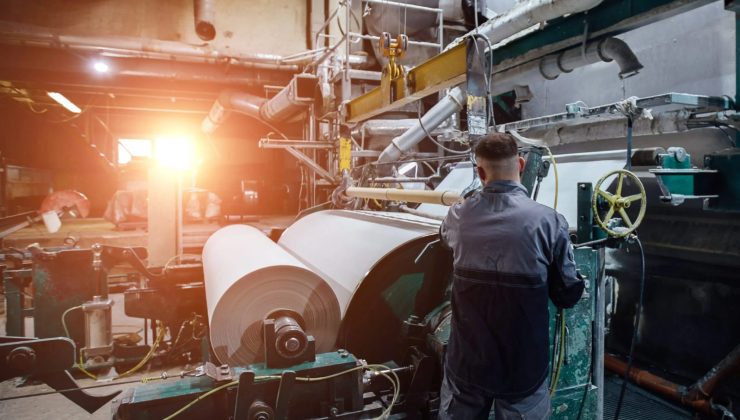
For businesses that consume large quantities of receipt and transaction paper, purchasing directly from a production source can change the way supplies are managed. Searching for a thermal paper roll factory direct price can help purchasing teams understand the relationship between production volume, specifications, packaging, and overall procurement costs. Instead of treating thermal rolls as an occasional office purchase, businesses can approach them as an important recurring component of their operational supply chain.
Whether the requirement comes from retail stores, restaurants, banks, transportation companies, or other businesses, understanding the manufacturing and purchasing process can make sourcing more predictable.
Why Thermal Paper Is a High-Volume Consumable
Thermal paper is used in situations where businesses need to produce printed information quickly and continuously.
A supermarket may print receipts throughout the day. A restaurant can produce order tickets for its kitchen. A parking facility may issue payment receipts, while a service counter may print transaction records for customers.
Individually, each receipt uses only a small amount of paper. Across thousands of transactions, however, consumption can become substantial.
This is why businesses with high printing volumes often look for purchasing arrangements that provide reliable supply and predictable costs.
What Does Factory-Direct Purchasing Mean?
Factory-direct purchasing generally involves sourcing products from the manufacturer rather than relying exclusively on several layers of distribution.
The structure can vary depending on the supplier and order size. Some manufacturers work directly with businesses, while others may use distributors or regional partners for certain markets.
For buyers, the potential benefit of dealing closer to production is greater visibility into specifications and manufacturing capabilities. It can also make communication easier when a business has requirements involving roll dimensions, packaging, material grades, or large-volume orders.
However, buyers should still evaluate quality, shipping, minimum order quantities, and service capabilities rather than assuming that a direct purchasing arrangement automatically meets every requirement.
The Importance of Roll Specifications
Thermal paper is not a one-size-fits-all product.
Printers can require specific widths, roll diameters, core sizes, and paper thicknesses. Using a roll with incompatible dimensions may cause feeding problems or prevent the printer from operating correctly.
Before requesting a quotation, purchasing teams should record the specifications of the rolls currently being used.
Important details can include:
- Paper width
- Roll length
- Outside diameter
- Core size
- Paper thickness
- Thermal coating requirements
- Packaging configuration
- Printer model or equipment specifications
Providing accurate information helps manufacturers determine which products are appropriate for the application.
Why Order Volume Can Matter
Manufacturing involves setup, raw materials, production time, packaging, and logistics. Larger orders can sometimes provide different purchasing economics than small, occasional orders.
For businesses with predictable consumption, ordering in appropriate quantities may reduce the frequency of procurement and simplify inventory management.
However, buying as much as possible is not always the right strategy. Storage capacity, cash flow, product turnover, and expected demand should all be considered.
A good purchasing plan balances the advantages of volume with the practical costs of holding inventory.
Understanding Raw Materials
The quality of thermal paper begins with its underlying materials.
Thermal paper generally consists of a paper base and a specialized coating that reacts to heat. Different products can be produced with different specifications depending on the intended application.
For standard receipts, businesses may have relatively straightforward requirements. Other applications can require particular print characteristics or performance expectations.
Purchasing teams should therefore ask suppliers for relevant product specifications rather than evaluating paper solely by its appearance.
The Role of the Thermal Coating
The thermal coating is responsible for producing the visible image when the paper passes through a compatible printer.
A suitable coating should respond consistently to the printer's heat. If the paper and equipment are poorly matched, businesses may experience faint printing, uneven results, or other issues.
Print quality can be particularly important in high-volume environments. A small percentage of poor-quality receipts may become a substantial amount of waste when multiplied across thousands of transactions.
Testing samples before a large purchase can help businesses evaluate the paper under real operating conditions.
Packaging Is Part of the Supply Process
Bulk thermal paper orders need appropriate packaging to protect the rolls during storage and transportation.
Individual rolls may be packaged together in boxes or other protective configurations. The exact packaging depends on the supplier, order quantity, destination, and product specifications.
Good packaging can help protect paper from unnecessary environmental exposure and physical damage during shipping.
For businesses importing large quantities, packaging should also be designed with warehouse handling in mind. Clearly identified cartons can make receiving and inventory management easier.
Planning International Purchases
Businesses sourcing thermal paper internationally need to consider more than the product itself.
Shipping times, freight costs, customs procedures, import requirements, currency fluctuations, and local taxes can all affect the final procurement cost.
A quotation that appears attractive at the factory level may have a different total cost once transportation and other expenses are included.
For this reason, businesses should calculate the total landed cost rather than comparing factory prices alone.
Lead time is equally important. If an international order takes several weeks to arrive, companies need sufficient inventory to cover their normal consumption during that period.
Quality Control Before Shipment
Quality control can help prevent problems from reaching the end user.
Manufacturers may inspect factors such as roll dimensions, winding quality, paper appearance, printing performance, and packaging. Buyers with specific requirements can discuss quality standards before production begins.
For larger or recurring orders, businesses may also establish product specifications that remain consistent from one order to the next.
This is particularly valuable when thermal paper is used across multiple locations because standardized materials make replacement and inventory management easier.
Making a Factory-Direct Purchase Work
Businesses considering direct sourcing should prepare before contacting a manufacturer.
Instead of simply asking for a price, buyers can provide:
- Required roll dimensions
- Estimated monthly or annual quantity
- Printer specifications
- Intended application
- Packaging preferences
- Delivery destination
- Required delivery schedule
The more complete the information, the easier it is for the manufacturer to provide a relevant quotation.
Businesses can also request samples and test them before confirming a larger production order.
Comparing Quotes Properly
When comparing different suppliers, the lowest quoted unit price should not be the only consideration.
A meaningful comparison should include the product specification, number of rolls per carton, roll length, paper quality, packaging, shipping terms, lead time, and any additional costs.
Two products may have similar-looking prices while providing different amounts of usable paper. One supplier may also include packaging or shipping costs that another lists separately.
Looking at the complete cost structure provides a more useful basis for procurement decisions.
Managing Inventory After the Purchase
Once thermal paper arrives, proper inventory management becomes the next priority.
Businesses should record the quantity received and monitor usage over time. Establishing a reorder point can help prevent unexpected shortages.
Storage areas should be clean, dry, and suitable for the paper. Rolls should be protected from excessive heat, moisture, and direct sunlight where appropriate.
Large organizations can also distribute stock according to consumption rates. High-volume branches may require more frequent replenishment than smaller locations.
Finding a Long-Term Supply Partner
For businesses that use thermal paper continuously, a long-term supplier relationship can be more practical than repeatedly searching for a new source.
A reliable manufacturer can become familiar with the buyer's specifications, order quantities, packaging preferences, and delivery requirements.
Over time, this can make repeat ordering more straightforward and reduce the risk of accidentally purchasing incompatible products.
Businesses can also periodically review the relationship to ensure that product quality, supply capacity, pricing, and delivery performance continue to meet their requirements.
Final Thoughts
Thermal paper rolls are an everyday necessity for many businesses, but purchasing them efficiently requires careful planning. Buyers should understand their printer specifications, estimate consumption, evaluate material quality, consider storage capacity, and calculate the complete cost of procurement.
For companies purchasing in larger quantities, exploring a thermal paper roll factory direct price can be one part of a broader sourcing strategy. The most useful approach is to compare complete purchasing terms rather than focusing exclusively on the initial unit price.
By combining accurate specifications, sample testing, sensible inventory planning, and clear communication with the manufacturer, businesses can establish a thermal paper supply process that supports their daily operations and future growth.