Can Aluminium Help Solve the Global Packaging Waste Problem?
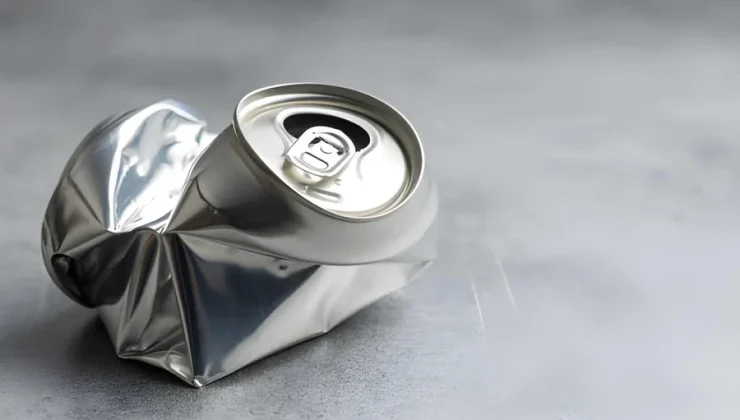
Walk down any supermarket aisle, and the story is familiar: shelves stacked with plastic bottles, jars, and wrappers. Yet behind the scenes, a quiet shift is happening. More brands are embracing aluminium as a smarter, greener choice.
Unlike plastics that struggle with recycling, aluminium offers endless reuse without losing quality. It is lightweight, energy-efficient, and protective, making it a strong contender in the fight against global packaging waste. The big question remains: can this shiny metal truly change the game?
Why Aluminium Stands Out
In the world of sustainable materials, aluminium has a unique edge. Unlike plastics, which lose quality after a few recycling cycles, aluminium can be recycled endlessly without losing its strength or purity.
That is why aluminum packaging is being hailed as a game-changer. If you wish to transition your brand and products away from single-use plastics, you must check out the blog posts on AluminumPackaging.com. Their content highlights how aluminium is not just a substitute; it is a long-term solution that aligns with strict sustainability goals and consumer expectations.
The Sustainability Drivers
The following are the reasons why aluminium is leading the charge:
- Infinite recyclability: Unlike most plastics, aluminium does not degrade when recycled.
- Energy savings: By recycling aluminium, we save nearly 95% of the energy that would otherwise be spent on making it from scratch.
- High recycling rates: Aluminium cans are recycled at more than double the rate of PET plastic bottles.
- Lower transport emissions: Lightweight yet strong, aluminium reduces fuel consumption compared to heavier materials like glass.
These factors combine to make aluminium one of the most circular materials in modern packaging.
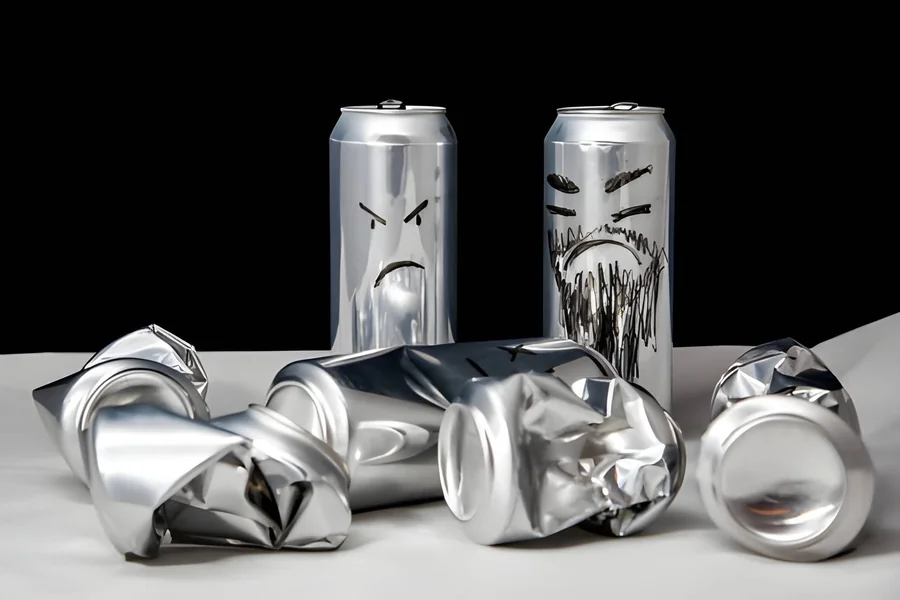
Protecting Products, Reducing Waste
Packaging is not just about looks; it is about keeping products safe. Aluminium excels here too.
- Barrier protection: It blocks out light, oxygen, and moisture, keeping food, beverages, and medicines fresh.
- Extended shelf life: By preventing spoilage, aluminium reduces product waste, a hidden but massive contributor to environmental impact.
Think about it: wasting food often has a bigger carbon footprint than the packaging itself. Aluminium helps cut that problem at the source.
Market Trends and Innovation
The momentum is undeniable. Beverage demand alone is skyrocketing, with global consumption of aluminium cans projected to jump from 420 billion units to 630 billion by 2030. And it is not just drinks; cosmetics, pharmaceuticals, and even coffee pods are embracing aluminium for its eco-friendly appeal.
Industry events like the ALUMINIUM Exhibition showcase breakthroughs in low-carbon manufacturing and smart supply chains. These innovations prove aluminium is not stuck in the past; it is evolving to meet tomorrow’s sustainability challenges.
Final Thoughts
So, can aluminium help solve the global packaging waste problem? The evidence points strongly in its favour. With infinite recyclability, massive energy savings, and unmatched product protection, aluminium is more than just another material; it is a blueprint for circularity.
Of course, no single solution will erase the waste crisis overnight. But aluminium is showing us that packaging can be both practical and planet-friendly. And maybe that is the kind of shift we have been waiting for.