How to Improve Indoor Air Quality with Your HVAC System?
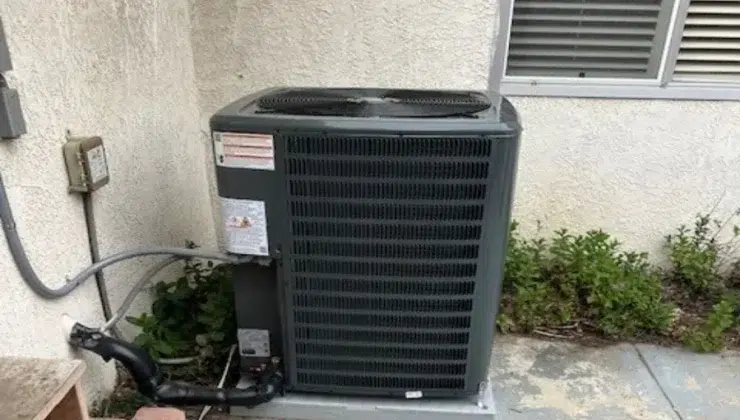
Indoor air quality plays a crucial role in maintaining health, comfort, and overall well-being at home. Since most people spend the majority of their time indoors, the air circulating through the HVAC system has a direct impact on how we feel and breathe. Dust, allergens, humidity, and airborne pollutants can accumulate quickly if not properly managed. Fortunately, modern HVAC systems are designed not only for temperature control but also for enhancing air purity. By optimizing your system’s components and keeping it well-maintained, you can create a cleaner, fresher indoor environment that supports better respiratory health and lasting comfort.
Creating cleaner air through more competent HVAC care
Clean Filters and Ductwork for Fresher Air
The simplest yet most effective way to improve indoor air quality is by maintaining clean filters and ducts. Air filters capture dust, pet dander, pollen, and even bacteria, preventing them from circulating through your living space. When these filters become clogged, the system struggles to move air efficiently, allowing contaminants to escape back into the room. Replacing or cleaning filters regularly ensures that your HVAC system operates efficiently while keeping pollutants under control. Ductwork also plays a significant role in air purity—dust buildup inside ducts can harbor mold spores and allergens. Professional cleaning removes these contaminants, restoring smooth airflow and preventing odor or debris from entering the home. Together, clean filters and ducts act as the first line of defense against airborne pollutants, significantly improving the freshness and overall quality of the air you breathe daily.
Humidity Control and Air Purification
Balanced humidity is essential for both comfort and health. When the air is too dry, it can irritate the skin and respiratory system, while excess moisture encourages the growth of mold and attracts dust mites. Modern HVAC systems often incorporate humidifiers and dehumidifiers to maintain optimal humidity levels throughout the year. Dehumidifiers, in particular, are valuable in humid regions where moisture can accumulate easily. For instance, maintaining indoor air quality in Sarasota homes often depends on proper humidity management, given the naturally moist coastal climate. Alongside humidity control, air purifiers can be added to the system to capture microscopic pollutants, including smoke particles, bacteria, and volatile organic compounds. UV light purifiers can also neutralize airborne pathogens as air circulates through the ducts. This combination of filtration, humidity regulation, and purification keeps the air cleaner, healthier, and easier to breathe for everyone indoors.
Ventilation is another key element in maintaining clean indoor air.
Many homes today are built with tight seals to improve energy efficiency, but this can also trap pollutants inside. An HVAC system with a proper ventilation setup allows fresh outdoor air to replace stale indoor air, diluting pollutants and odors. Energy recovery ventilators (ERVs) and heat recovery ventilators (HRVs) are particularly effective at balancing air exchange without sacrificing temperature control. They allow your home to breathe while maintaining comfort and efficiency. Proper ventilation helps remove gases from cooking, cleaning, or off-gassing furniture, reducing indoor pollution sources. It also prevents the buildup of carbon dioxide, which can cause fatigue and headaches. When your HVAC system is adequately ventilated, every breath feels lighter and cleaner because the air is constantly renewed, supporting both physical comfort and mental clarity throughout the day.
Regular Maintenance and System Cleaning
Consistent maintenance ensures that every component of your HVAC system functions as intended. Dust, mold, and debris can accumulate in elements such as the evaporator coils or blower fan, which then spread contaminants through the air. Scheduling regular inspections allows technicians to clean, calibrate, and replace worn parts that could compromise air quality. Maintenance also ensures optimal system pressure, preventing leaks that allow dust and moisture into the system. Clean coils enhance heat exchange, while a well-functioning fan ensures even airflow throughout all rooms. When left unchecked, even minor mechanical issues can lead to air stagnation or inefficient filtration, resulting in increased pollutant buildup. Regular maintenance not only preserves clean indoor air but also extends the lifespan of the system, reducing energy waste and the risk of costly repairs. It’s a preventive measure that enhances performance while keeping your home’s air safe and healthy throughout the year.
Duct Sealing and Leak Prevention
Leaky ductwork can be one of the biggest hidden threats to indoor air quality. Cracks and gaps in ducts allow dust, pollen, and other pollutants from attics or crawl spaces to mix with conditioned air. These leaks also cause pressure imbalances, making it harder for the system to deliver consistent airflow. Sealing and insulating ducts properly prevents contaminants from infiltrating your air supply. This also improves energy efficiency since no cooled or heated air is wasted through leaks. Professional duct sealing uses mastic sealant or metal-backed tape to close openings and reinforce connections. Once sealed, the system maintains consistent air pressure and purity. Properly installed ductwork not only enhances air quality but also reduces strain on your HVAC system, allowing it to operate quietly and efficiently. The result is a cleaner home environment and greater comfort for everyone who lives there.
Using Advanced HVAC Technology for Air Health
Modern HVAC systems now incorporate advanced technologies that actively monitor and enhance indoor air quality. Smart thermostats, for example, can track humidity and air quality levels, automatically adjusting ventilation or filtration settings as needed. High-efficiency particulate air (HEPA) filters capture particles as small as 0.3 microns, making them effective against fine dust, allergens, and smoke. Some systems integrate ionization technology, which neutralizes airborne pollutants before they settle. Paired with air purifiers and UV light systems, these innovations provide a layered approach to enhancing indoor air quality. By investing in these technologies, homeowners can maintain consistently healthy air with minimal manual effort. Technology-driven systems also provide valuable data insights, enabling you to monitor performance and make adjustments in real-time. The combination of automation, filtration, and purification maintains a comfortable, balanced, and immaculate atmosphere in your home, while also supporting the long-term efficiency of your HVAC system.