Signs Your AC Circuit Board Needs Repair
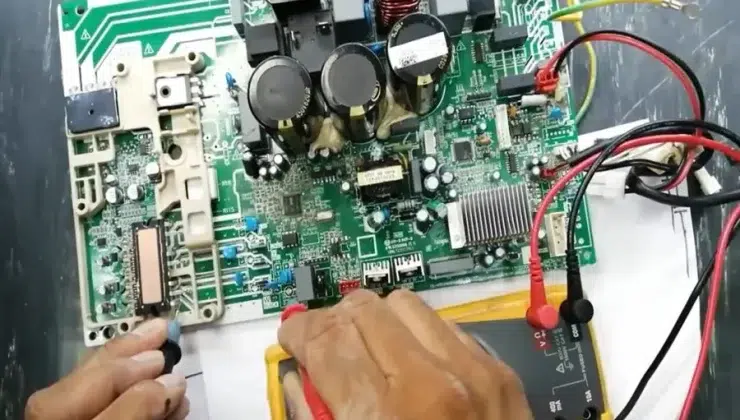
The circuit board is the brain of your air conditioning system, managing communication between various components, such as the thermostat, compressor, and fan. When it starts to malfunction, your AC can behave unpredictably, fail to cool properly, or stop working altogether. Unfortunately, many homeowners mistake these symptoms for other issues, such as refrigerant leaks or faulty thermostats. Understanding the specific signs of circuit board failure can save time, reduce repair costs, and prevent long-term damage to your system. We will explore the most common signs that indicate your AC circuit board needs repair and what steps you can take to address them before they escalate.
Key Indicators of a Faulty AC Circuit Board
Intermittent Cooling or Complete System Shutdown
One of the first signs of circuit board trouble is inconsistent performance. You may notice your AC unit turning on and off without reason or failing to start altogether. The circuit board regulates power distribution and signal communication between your thermostat and cooling components. When damaged, it can interrupt this process, causing random shutdowns or irregular cooling cycles. Sometimes, the system might start blowing warm air instead of cold, even when set to a low temperature.
These erratic behaviors indicate that the board is failing to send proper commands to other parts of the system. If ignored, intermittent cooling can develop into a total system failure, necessitating more extensive repairs. For homeowners seeking timely AC repair in Valencia, checking for error codes or unusual blinking lights on your thermostat or control panel can help confirm whether the issue originates from the circuit board.
Unresponsive Thermostat or System Controls
If your thermostat or AC controls stop responding, it may not be a problem with the thermostat itself. The issue often lies in the control board’s inability to interpret or process signals correctly. The circuit board acts as the communication hub, ensuring that when you set a temperature or switch modes, the system responds accordingly. When it malfunctions, you may experience delays, inconsistent responses, or complete disconnection between the thermostat and the unit. For instance, you might set your AC to cool mode, but it fails to activate, or the display might flicker and go blank. These symptoms indicate a communication breakdown, which is often caused by a faulty circuit board. Timely repair or replacement can restore smooth communication and prevent further electrical strain on your system’s wiring and components.
Burnt Smell or Visible Damage on the Control Board
A burnt odor coming from your air conditioning unit is a red flag that shouldn’t be ignored. The circuit board, being an electrical component, is prone to overheating or short-circuiting when exposed to moisture, dust, or voltage fluctuations. When this happens, you might notice a faint burnt plastic smell near the indoor unit or outdoor condenser. Upon inspection, visible signs such as blackened areas, melted connections, or warped components often confirm that the circuit board is damaged. These physical signs are clear indicators of electrical failure, and continuing to operate the AC under these conditions can lead to further damage or even pose a fire hazard. Addressing the issue immediately not only restores functionality but also ensures the safety of your home. Having the board checked by a trained technician can help identify whether repair or replacement is necessary.
Blower Fan or Compressor Not Responding Properly
Another common symptom of a faulty circuit board is irregular operation of the blower fan or compressor. The board sends electrical signals to both components, dictating when they should start, stop, or adjust speeds. If the fan continues to run after the AC shuts off, or if the compressor refuses to start even when cooling is needed, the circuit board may be at fault. In some cases, you may hear clicking or buzzing sounds when the system attempts to engage the compressor or fan but fails to do so. This occurs when the board’s relays or capacitors are malfunctioning. Such issues not only affect cooling efficiency but also increase energy consumption and wear on other components. Immediate inspection and circuit board testing can prevent permanent damage and restore proper synchronization between all mechanical parts.
Frequent Tripping of the Circuit Breaker
An air conditioner that constantly trips the circuit breaker is more than just an inconvenience—it’s a warning sign of electrical trouble. While overloaded circuits or wiring issues can cause this, a defective AC control board is also a likely culprit. The circuit board manages power distribution across the entire unit. If it’s malfunctioning, it may draw irregular or excessive current, leading to frequent breaker trips.
This protective mechanism helps prevent potential electrical fires, but it also indicates that the control board needs attention. Resetting the breaker repeatedly is not a solution and could further damage your electrical system. Having a professional inspect the board’s relays, fuses, and wiring connections can pinpoint the problem and ensure safe operation. Proper maintenance and replacement of faulty boards can eliminate breaker issues and enhance overall energy efficiency.
Your air conditioner’s circuit board is an essential component that ensures all electrical and mechanical parts work in harmony. When it starts to fail, small warning signs, such as irregular cooling, unresponsive controls, or strange smells, can quickly escalate into major breakdowns. Recognizing these signs early and addressing them promptly can save you from unnecessary discomfort and costly replacements.. Prioritizing maintenance not only extends your AC’s lifespan but also ensures consistent comfort and energy efficiency for your home year-round.