Get Turkey Trot Ready With 7 Mindful Adjustments
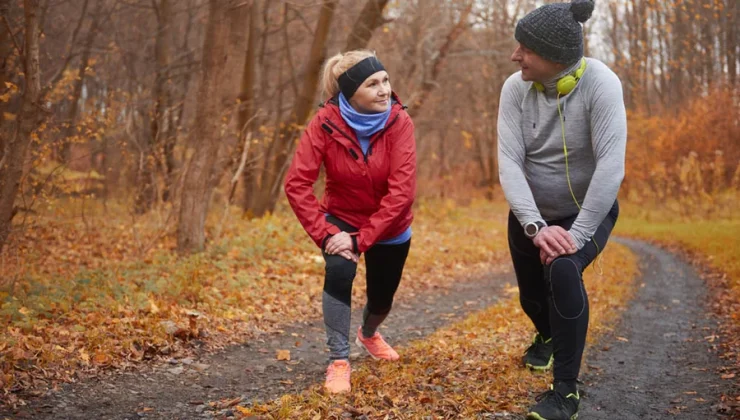
Thanksgiving morning is a wonderful time to get moving, enjoy the crisp autumn air, and connect with friends and family before gathering around the dinner table. Whether you’re preparing for your first Turkey Trot or hoping to improve on last year’s performance, a little preparation can make the experience more enjoyable.
Small adjustments to your routine can help you feel comfortable, confident, and ready to participate.
1. Prepare Your Body With Supportive Gear
Getting ready for a Turkey Trot starts with paying attention to how your body feels during exercise. Supportive clothing and accessories, such as compression sleeves and braces from Copper Fit, can help you stay comfortable as you build your routine.
Depending on your needs, these products may be worth considering if you appreciate additional support around areas such as your knees or ankles. However, gear works best when it complements a thoughtful training plan.
Choose comfortable running shoes, wear moisture-wicking layers, and get accustomed to new equipment before Thanksgiving morning. Listen to your body and avoid pushing through persistent pain simply to stick to a schedule.
2. Build a Consistent Movement Routine
You don’t need to run every day to prepare for a Turkey Trot. Consistent movement can improve endurance and make exercise feel like a natural part of your schedule. Start with manageable sessions, whether that means walking around your neighborhood, alternating jogging with walking, or completing a comfortable run.
Schedule a few movement sessions each week and gradually increase your distance. If you’re new to running, a walk-run approach can make training more approachable. Recovery days are equally important, allowing your body to adapt without unnecessary strain.
3. Practice Mindful Breathing
Running can feel overwhelming when you concentrate too heavily on your pace or distance. Mindful breathing offers a simple way to stay present and maintain a relaxed approach to exercise.
During training, pay attention to your breathing without forcing a rigid pattern. Aim for a pace that allows you to speak in short sentences. If you find yourself gasping for air, slow down or walk until your breathing settles.
Before your workout, take a few slow, comfortable breaths to settle your nerves. On Thanksgiving morning, remember that the goal is to enjoy the experience, whether you’re running the entire course or taking breaks along the way.
4. Choose a Realistic Race-Day Goal
It’s easy to feel motivated by friends’ running times or ambitious training plans. Still, your Turkey Trot doesn’t have to revolve around finishing in a particular time.
Choose a goal that reflects your current abilities. You might aim to complete the course comfortably, maintain a steady effort, or enjoy moving outdoors with loved ones. Experienced runners might focus on pacing themselves rather than starting too quickly.
A realistic target gives your training direction without turning every workout into a test. Celebrate your progress, even when your pace varies.
5. Fuel Your Body With Balanced Meals
Your nutrition habits can influence how you feel during training and on race day. Focus on balanced meals that provide carbohydrates, protein, healthy fats, and essential nutrients.
Foods such as oatmeal, whole-grain toast, fruit, yogurt, and eggs can support an active routine. Before the race, choose familiar foods that sit comfortably in your stomach and allow enough time for them to digest.
Avoid using the Turkey Trot as an excuse to restrict food or to compensate for your Thanksgiving meal. Exercise can be rewarding in its own right, and nourishing your body is part of the process.
6. Prioritize Sleep and Recovery
Rest allows your body to recover between workouts, helping you arrive at race day feeling refreshed rather than worn down. Establish a consistent bedtime in the days leading up to Thanksgiving. Prepare your outfit, shoes, and other essentials the night before so you don’t have to rush in the morning.
Pay attention to how you feel after workouts. Gentle walking may help you unwind, while rest days give you time to recharge. If you’re unusually fatigued or experiencing persistent discomfort, reduce your training intensity rather than forcing yourself to finish every planned session.
7. Dress for Changing Autumn Weather
Late November weather varies depending on where you live. A chilly start may become more comfortable once you begin moving, so dressing in layers can help you adapt.
Consider a lightweight base layer, a long-sleeved top, and an outer layer suited to the forecast. Moisture-wicking fabrics can help manage sweat, while gloves and reflective details may be useful on cold or dark mornings.
Check the weather before leaving home and adjust your plans if rain, wind, or icy conditions are expected. Flexibility is part of preparation.
Find Your Own Pace This Thanksgiving
Getting Turkey Trot ready doesn’t require a complete lifestyle overhaul. Building a consistent routine, practicing mindful breathing, choosing supportive gear, and prioritizing rest can help you approach race day with confidence.
The most meaningful adjustment may be letting go of the pressure to perform perfectly. Set a realistic goal, respect your body’s needs, and enjoy the journey. Whether you cross the finish line running, walking, or somewhere in between, your Turkey Trot can be a positive start to Thanksgiving Day and a tradition worth repeating.