
What Stainless Steel Commercial Fryer Construction Means for Daily Kitchen Use
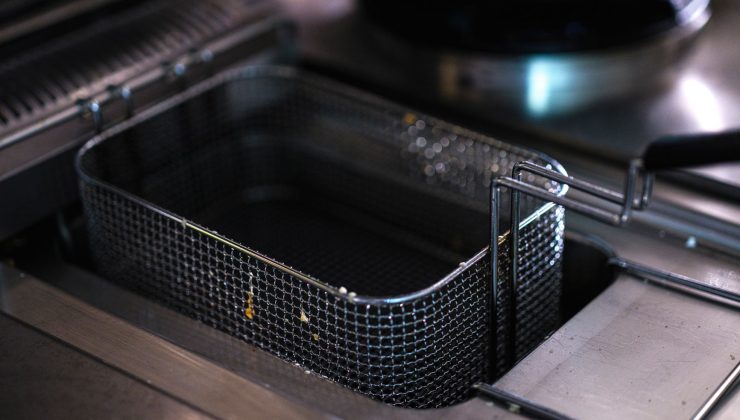
A commercial kitchen depends on equipment that can handle repeated cooking tasks without making daily work harder. The materials used in a fryer affect how staff clean, operate, and maintain it. Stainless steel is a common choice because it offers a practical balance of durability, hygiene, and ease of care.
An electric countertop deep fryer with stainless steel construction can suit restaurants, food stalls, cafes, and other food businesses. Its compact design can help kitchens manage limited counter space while keeping frying tasks organized. However, the material alone does not determine how well a fryer performs.
Understanding the construction, heating system, oil capacity, and cleaning requirements helps operators make informed decisions. These details also explain why a stainless steel commercial fryer can be useful for regular food preparation.
Why Fryer Construction Deserves More Attention
Kitchen equipment faces heat, oil splashes, food residue, and frequent cleaning. A fryer must withstand these conditions while remaining practical for everyday use. Its construction affects how easily staff can handle these routine demands.
Stainless steel surfaces are widely used in commercial food preparation equipment. They resist corrosion under suitable conditions and can be cleaned with appropriate products. These properties make stainless steel a practical material for equipment that comes into regular contact with cooking environments.
How Stainless Steel Handles Daily Kitchen Conditions
Stainless steel can tolerate the demanding conditions found around commercial cooking stations. Its surface is generally resistant to rust and staining when operators follow proper cleaning practices. This helps maintain the appliance's appearance during repeated use.
However, stainless steel is not completely immune to damage. Harsh chemicals, abrasive cleaning tools, and prolonged exposure to certain substances can affect its surface. Staff should follow the manufacturer's care instructions to preserve the finish.
What to Check Before Selecting a Countertop Fryer
A fryer should match the kitchen's cooking requirements rather than simply fit the available budget. Businesses need to consider the number of portions they prepare, the types of food they serve, and their busiest operating periods. These factors help determine the capacity and configuration that make sense.
An electric countertop deep fryer can be a useful option when floor space is limited. Its placement on a suitable work surface keeps the cooking station accessible. Before selecting one, operators should check its dimensions, electrical requirements, oil capacity, and overall construction.
Understanding Tank Size and Cooking Volume
Oil capacity affects how much food a fryer can accommodate during each cooking cycle. A small tank may suit a cafe that prepares occasional fried snacks. A larger tank may be more suitable for a restaurant that handles repeated orders throughout service.
Operators should distinguish between oil capacity and actual food output. The amount of food cooked per batch also depends on basket dimensions and the ingredients being prepared. Overloading the basket can interfere with heat recovery and lead to inconsistent results.
The Parts That Influence Everyday Performance
A fryer's exterior body is only one part of its construction. The tank, heating elements, basket, control panel, and supporting frame all affect daily operation. Examining these components gives buyers a clearer picture of the appliance's practical value.
A stainless steel commercial fryer may include removable tanks, adjustable feet, or a front-mounted control panel. Each feature serves a different purpose. The most useful configuration depends on how staff prepare food and clean the appliance.
Heating Elements and Temperature Controls
Heating elements transfer energy to the cooking oil. Their design and power rating influence how quickly the fryer heats and recovers temperature after a batch. A higher wattage rating alone does not guarantee better results.
Temperature controls help staff maintain suitable cooking conditions for different ingredients. Clear settings and accessible controls can make operation easier during busy service. Operators should also check for safety features such as overheat protection.
Baskets, Handles, and Supporting Components
Fryer baskets need to hold food securely while allowing excess oil to drain. Strong handles give staff better control when lifting loaded baskets. The basket's size and mesh design should also suit the food on the menu.
Supporting components deserve attention because staff handle them throughout the day. Removable parts can simplify cleaning and inspection. Buyers should check whether replacement baskets and other essential components are available for their chosen model.
Keeping Stainless Steel Equipment Clean and Presentable
A clean fryer supports a more organized food preparation area. Oil residue can collect around control panels, handles, and the outer body during repeated cooking. Regular attention prevents grease from building up in hard-to-reach areas.
Allow the appliance to cool and follow its cleaning instructions before wiping its surfaces. Use suitable cleaning products and nonabrasive cloths to avoid scratching the finish. Never immerse electrical components or expose connections to water unless the manufacturer specifically permits it.
Avoiding Common Cleaning Mistakes
Steel surfaces can lose their finish when staff use harsh scouring pads or unsuitable chemicals. Strong cleaners may also damage nearby plastic parts or labels. Using the correct cleaning method helps preserve both appearance and function.
Staff should pay attention to areas where oil and food particles collect. Check the basket supports, tank edges, and accessible heating components during routine maintenance. A written cleaning checklist can help maintain consistent standards across different shifts.
Planning Safe Placement and Electrical Setup
Countertop equipment needs a stable surface that can support its weight when filled. Operators should position the fryer away from busy walkways and areas where water may splash. Adequate clearance around the appliance also supports safe operation.
Electrical compatibility is equally important. Check the required voltage, wattage, plug type, and circuit capacity before installation. A qualified electrician can determine whether the existing setup is suitable for the selected fryer.
Staff should keep power cords away from hot surfaces and areas where people might trip. They should also know how to shut down the appliance during an emergency. Following the manufacturer's safety guidance helps reduce operational risks.
How Construction Affects Long-Term Equipment Decisions
The initial purchase is only one part of owning commercial kitchen equipment. Businesses should also consider cleaning time, replacement parts, maintenance needs, and how the fryer fits into future kitchen plans. These details can influence the overall value of an appliance.
A well-constructed electric countertop deep fryer should meet the demands of its intended workload. Stainless steel surfaces, accessible components, and practical controls can make routine operation easier. However, actual durability also depends on material quality, assembly, usage, and maintenance.
Before purchasing, inspect the product specifications and warranty conditions. Check whether the tank, basket, and heating components can be serviced or replaced. These steps help businesses understand what to expect after the fryer becomes part of their daily workflow.
Conclusion
Stainless steel construction plays an important role in the daily use of commercial frying equipment. It offers a practical surface for kitchens that deal with heat, grease, and frequent cleaning. However, the quality of the heating system, tank design, controls, and supporting components matters just as much.
An electric countertop deep fryer can suit businesses that need dedicated frying equipment without using a large floor area. Choosing the right model requires careful attention to cooking volume, electrical compatibility, cleaning access, and construction quality. When these factors match the kitchen's actual needs, the fryer becomes a more practical part of everyday food preparation.
Frequently Asked Questions
Why is stainless steel used in commercial fryers?
Stainless steel offers corrosion resistance, durability, and a smooth surface that is generally easy to clean. These qualities make it suitable for commercial kitchen environments.
Is an electric countertop deep fryer suitable for restaurant use?
Yes. It can suit restaurants with appropriate frying requirements and sufficient counter space. The fryer must also meet the kitchen's electrical and capacity needs.
Does stainless steel make a fryer easier to maintain?
Stainless steel surfaces are generally easy to wipe and clean with suitable products. Regular maintenance is still necessary to prevent grease buildup and surface damage.
What features should I check in a stainless steel commercial fryer?
Check tank capacity, heating power, temperature controls, basket design, safety features, and removable components. Also review electrical requirements and cleaning instructions.
How can I extend the working life of a commercial fryer?
Clean the appliance regularly, manage cooking oil properly, and follow the manufacturer's operating instructions. Inspect its electrical connections and components as part of routine maintenance.