What Is Khat? Effects, Risks, and When Use Becomes Concerning
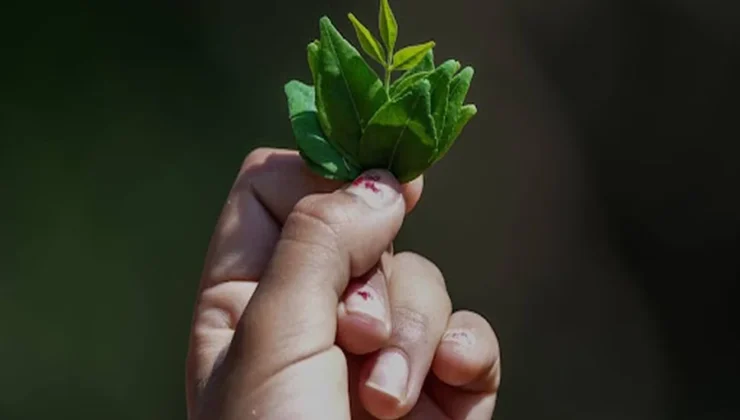
A bundle of glossy green leaves can look ordinary. Hours later, a family may be dealing with sleeplessness, irritability, missed responsibilities, or money worries. That is when the useful question changes from “What is khat?” to “What is this pattern doing to the person’s life?”
Khat, botanically known as *Catha edulis*, is a shrub whose fresh leaves and shoots are used for their stimulant effects. They are usually chewed slowly and held in the cheek, although they may also be prepared as a drink. The plant contains cathinone and cathine, compounds with amphetamine-like stimulant effects on the brain and body.¹ ²
Khat in its social and practical context
Khat has a longstanding social and cultural role in parts of East Africa and the Arabian Peninsula. A familiar group custom should not be treated as strange or reduced to a stereotype. At the same time, cultural acceptance does not determine whether use is safe for one person or whether it is disrupting daily life.
Legal status varies by country and can change. Current government information, rather than social media or word of mouth, is the appropriate source for local rules.
What the effects may feel like
The effects depend on factors such as the amount used, the freshness of the leaves, personal health, and whether other substances or medications are involved.
Possible short-term effects include:
- Feeling more awake, energetic, or talkative
- A temporary sense of pleasure or confidence
- Reduced appetite
- Restlessness, anxiety, or irritability
- A faster heartbeat or increased blood pressure
- Difficulty sleeping, headache, dry mouth, or stomach discomfort
The experience is not always predictable. Once the stimulation fades, some people report tiredness, low mood, poor concentration, or irritability. Long chewing sessions may also push sleep later and make the following day harder to manage.

When a routine starts to raise concern
The stimulant effect, chewing ritual, and social setting can all reinforce repeated use. Some people use khat to stay awake, concentrate, manage stress, or feel connected to others. Concern rises when use becomes more frequent and physical, psychological, or practical problems begin to follow it.³
Signs that deserve closer attention include:
- Using more often or for longer than intended
- Strong urges or spending considerable time planning around use
- Needing more to feel the same effect
- Trying to cut back without being able to maintain the change
- Missing work, school, caregiving, or household responsibilities
- Experiencing conflict about money or behavior
- Continuing despite ongoing sleep, mood, or physical problems
- Feeling unusually tired, low, irritable, or restless after stopping
One sign alone does not establish dependence or a substance use disorder. A wider pattern involving control, consequences, and continued use is more informative, and only a qualified professional can make a diagnosis.
When khat begins to disrupt sleep, work, health, or relationships, professional support may range from a medical assessment to counseling or structured care. When comparing treatment programs for khat dependence, consider the person’s symptoms, health risks, and level of impairment rather than chewing frequency alone.
Health risks and urgent warning signs
Cathinone’s stimulant effects can raise heart rate and blood pressure, suppress appetite, and disrupt sleep.⁴ Anxiety or agitation may intensify. Heavy use has also been associated with severe confusion, suspiciousness, and hallucinations, especially when trauma or other psychiatric risks are present.⁵
Health history matters. Heart conditions, mental health symptoms, prescribed medications, and the use of alcohol or other drugs can complicate the picture. A clinician or pharmacist needs an accurate account of everything being taken to evaluate possible interactions.
Not every unwanted effect is an emergency. Chest pain, trouble breathing, a seizure, fainting, severe confusion, extreme agitation, or immediate danger warrants emergency care.

What professional support may involve
An assessment usually looks beyond how often someone uses the plant. A professional may ask about sleep, mood, cravings, physical symptoms, responsibilities, other substances, previous efforts to stop, and the person’s own concerns.
Care should be matched to the pattern, not the label. A clinician can address sleep disruption, anxiety or low mood, cardiovascular symptoms, other substance use, and the routines that keep chewing in place. Behavioral counseling, changes to triggers and daily routines, and treatment of co-occurring medical or psychiatric symptoms can form a practical plan.¹ ³
Family members can help by describing what they have observed: changes in sleep, work, money, relationships, or attempts to cut back. Concrete observations give a clinician more to work with than accusations or a label.
A grounded way forward
Khat is a stimulant plant. Use alone does not equal addiction. Concern becomes more urgent when control is slipping, consequences are building, or physical and emotional symptoms are being ignored.
An assessment can begin before anyone agrees on a label. Change may take time, and a return to use does not erase earlier progress. It does signal that safety, support, and the current plan need another look.
Author Bio
Earl Wagner is a health content strategist focused on behavioral systems, clinical communication, and data-informed healthcare education.
Sources
1. World Health Organization. (2006). Khat: Expert Committee on Drug Dependence review. https://ecddrepository.org/en/khat
2. Widler, P., Mathys, K., Brenneisen, R., Kalix, P., & Fisch, H. U. (1994). Pharmacodynamics and pharmacokinetics of khat: A controlled study. Clinical Pharmacology & Therapeutics, 55(5), 556–562. https://pubmed.ncbi.nlm.nih.gov/7910126/
3. El-Setouhy, M., Alsanosy, R. M., Alsharqi, A., & Ismail, A. A. (2016). Khat dependency and psychophysical symptoms among chewers in Jazan Region, Kingdom of Saudi Arabia. BioMed Research International, 2016, 2642506. https://doi.org/10.1155/2016/2642506
4. Al-Habori, M. (2005). The potential adverse effects of habitual use of Catha edulis (khat). Expert Opinion on Drug Safety, 4(6), 1145–1154. https://pubmed.ncbi.nlm.nih.gov/16255671/
5. Adorjan, K., Odenwald, M., Widmann, M., Tesfaye, M., Tessema, F., Toennes, S. W., Suleman, S., Papiol, S., Soboka, M., Mekonnen, Z., Rockstroh, B., Rietschel, M., Pogarell, O., Susser, E., & Schulze, T. G. (2017). Khat use and occurrence of psychotic symptoms in the general male population in Southwestern Ethiopia: Evidence for sensitization by traumatic experiences. World Psychiatry, 16(3), 323. https://doi.org/10.1002/wps.20470