Muddy Paws, Busy Mornings: A Smarter Floor-Cleaning Routine for Family Homes
The dog bolts through the back door, and you spot the paw prints a second too late. Behind him, the cereal your toddler shared with the kitchen floor is already crunching underfoot. Sound familiar? Most of us don't have a dirty house. We have a house where mess arrives faster than we can handle it.
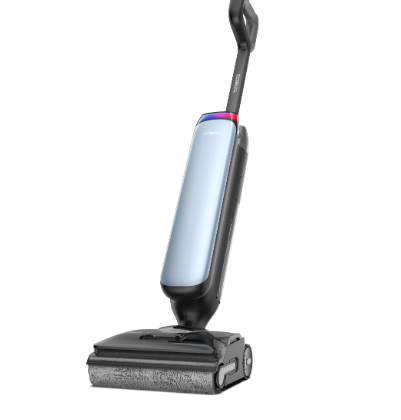
A good floor cleaning routine for pet owners doesn't take more effort. It takes fewer steps. You catch dirt early, then use one tool that does two jobs. For many hard-floor homes, a tineco vacuum mop fits that role because it picks up debris and washes in the same pass. It won't suit every floor, and I'll point out where to be careful.
Why Family Floors Get Dirty So Quickly
Floors take a beating because everyone in the house feeds them. Kids drop food, pets shed all year, and shoes carry in grit, pollen and yard mud. Each source leaves a different kind of mess, so each needs a slightly different fix. Once you see the pattern, the work gets easier to plan.
Most of the dirt comes in at the doors. The National Wood Flooring Association says a simple routine protects floors in busy families, and its first tip is leaving shoes at the door. You can read more on the NWFA's family floor care page.
I sort messes into three types. Dry mess means crumbs, hair and dust. Wet mess means muddy paw prints and spilled milk. Sticky mess means juice and anything that dried overnight. Dry mess needs pickup first, and the other two need washing.
Focus First on Entryways, Kitchens and High-Traffic Areas
You don't need to clean every room equally. Start where dirt enters and where food lands. In most homes, that's the back door, the kitchen and the hallway between them. Keep those three under control, and the rest of the house stays cleaner almost by accident.
At the entryway, put a good mat outside and another inside. Keep a towel nearby for paws, and give shoes a home. In the kitchen, check under the chairs and in front of the sink and fridge. These spots get the most foot traffic and the most drops.
For sealed hard floors, a floor washer handles these zones fast. The tineco s9 series is one example. Tineco says the S9 Artist Pro uses a two-part scraper design meant to stop hair from tangling. Check your floor maker's care guide first, though. Dry mess still comes first, so run a cordless tineco vacuum or a broom over crumbs and hair before you wash.
When a Vacuum Mop Makes More Sense Than Separate Tools
A vacuum mop earns its place when you're tired of using three tools for one mess. Normally you sweep, mop, then wait for things to dry. A combo machine folds most of that into one trip. For a family that cleans in the ten minutes before school, that's a real change.
The vacuum mop vs separate vacuum and mop question comes down to your floors. Combo machines shine on sealed hard floors with frequent small messes. Many also wash and dry their own roller, which saves a gross chore. The trade-offs are cost, storage space and upkeep. One reviewer says to plan on replacing the roller every four to five months.
They aren't for every surface. Unsealed wood, waxed floors and some laminates don't like water. If your home is mostly carpet, a good stick vacuum and a damp microfiber mop may be all you need.
Reaching Under Furniture and Handling Pet Hair
Dust bunnies and cereal don't stay in the open. They roll under the sofa and behind the dining chairs. A tool that lies flat saves you from dragging furniture around. Tineco lists the S9 Artist Pro at 12.85 cm in its lay-flat position. That's about five inches, so measure the gap under your sofa first.
For pet hair on hardwood floors, I'd go dry first, because hair spreads when it gets wet. A brush built to resist tangles helps a lot. Tineco's PURE ONE S50 lists 150AW suction, a ZeroTangle brush and a green headlight. The headlight shows hair you'd miss in normal light. Once a week, pull the hair off the roller and do one slow pass under the furniture.
Tineco Models for Family Homes: Which One Fits Which Mess?
Tineco sells a lot of models, and the names blur together. Here's a quick look at who each one suits. Specs change, so check the current listing before you buy.
The FLOOR ONE S9 Artist Pro is the mid-size home pick. Tineco lists up to 75 minutes of runtime in lay-flat auto mode, plus a 1L clean tank and a 0.75L dirty tank. The S9 Artist Steam adds steam, but be careful. The NWFA says steam can cause lasting damage to wood floors. See the guidance in Hardwood Floors magazine.
The FLOOR ONE STATION S9 Scientist Pro suits big homes. TechRadar lists up to 100 minutes of runtime and a 4.33-inch lay-flat height. It launched in the US in August 2026 at a $1,199 MSRP. The FLOOR ONE S7 Stretch Ultra is the lower-priced option. Tineco lists 50 minutes of runtime and 21kPa suction.
On the dry side, the PURE ONE Station 5 lists 175 watts of suction and a self-clean station. The Station 5 Pro steps up to 200 air watts and a $599 price, according to Digital Trends. Read the Digital Trends review for details.
Tineco vs Dreame vs Dyson: How They Compare
Brand loyalty doesn't clean floors, so here are the real differences. The table pulls from manufacturer pages and reviewers. Prices and specs move around, so treat it as a starting point.
|
Model |
Runtime (claimed) |
Roller drying |
Under furniture |
Worth knowing |
|
Tineco S9 Artist Pro |
Up to 75 min |
Yes, 5 min hot air |
12.85 cm lay-flat |
Anti-tangle scraper design |
|
Tineco S7 Stretch Ultra |
50 min |
Yes, 5 min hot air |
13 cm lay-flat |
Lower tier, shorter runtime |
|
Tineco Station S9 Scientist Pro |
Up to 100 min |
Yes, in station |
4.33 in lay-flat |
$1,199 MSRP, auto refill |
|
Dreame H14 Pro |
About 40 min |
Hot water self-clean |
180° lie-flat |
18,000 Pa suction |
|
Dyson WashG1 |
35 min |
No self-drying |
Nearly flat |
Rollers only, no suction motor |
Dreame deserves credit for reach and suction. But one reviewer calls its 40-minute runtime a genuine limitation. See the Dreame H14 Pro review. Dyson took a different path. In a Homes & Gardens test, a dropped egg clogged the WashG1's rollers, and the debris tray was messy to empty. That tester also noted it lacks floor detection, and they ranked a Tineco model best of the group. Read the full WashG1 test.
Tineco's edge is mostly in upkeep features like self-drying and sensors. Its weak spots are price at the top end and weight. Dreame can win if under-sofa reach matters most, and Dyson suits fans of its light, simple design.
What Owners and Reviewers Say
Marketing pages only tell you so much, so I checked independent write-ups. Praise for Tineco usually centers on design and ease. A VacuumChef reviewer calls the S7 Stretch Ultra a premium machine, though Tineco sent the sample. Here's the full S7 Stretch Ultra review.
Complaints show up too. One outlet gave the S7 Stretch Steam 3.5 out of 5, noting slow steam delivery and a heavy feel. See the Alex Reviews Tech write-up. The pattern across reviews is clear. People like self-cleaning machines that reach under furniture, and they complain about price, weight and short batteries.
Simple Habits That Reduce Weekend Deep Cleaning
Weekend deep cleans pile up when weekdays go untouched. A few tiny habits break that cycle, and most fit into things you already do. The goal isn't a spotless house. It's a floor that never gets bad enough to need a full rescue.
- Wipe paws at the door and take shoes off at the entry.
- Run a dry pass over the kitchen after dinner.
- Wash the kitchen and hallway once or twice a week.
- Clear hair from the brush or roller weekly.
- Empty and rinse the dirty tank after each wash.
On muddy days, don't wait. Wet paw prints dry into dirt that's harder to lift.
FAQ
Q: How often should you mop with pets?
It depends on your floor. For real wood, the NWFA's general schedule is a daily sweep, weekly vacuum and monthly wood cleaner, per HouseLogic. For sealed tile or vinyl, I'd wash busy zones once or twice a week.
Q: Do vacuum mops work on pet hair?
Mostly yes, but hair is what clogs them. Anti-tangle designs help. With heavy shedding, vacuum dry first, then wash.
Q: Is a vacuum mop better than a separate vacuum and mop?
It's better for convenience on sealed hard floors. It's not better for carpet or floors that can't handle water. Many mixed-floor homes end up with both.
Q: Which floors should you avoid using a vacuum mop on?
Avoid unsealed wood, waxed floors and anything your manufacturer says to keep dry. Be extra careful with steam, and check your care guide, since warranties can depend on it.
Conclusion
A clean floor in a busy home comes from habits, not heroics. Stop dirt at the door, focus on the entryway and kitchen, and match the tool to the mess. Dry first, wet second. And be honest about your floors, because the wrong tool on the wrong surface costs more than any machine.
If a combo machine fits your home, it can take real time off your week. If not, a good vacuum and a damp mop still get you there. Pick one habit from the list and start today.