Planning a Barbados Villa Holiday with Clear Priorities
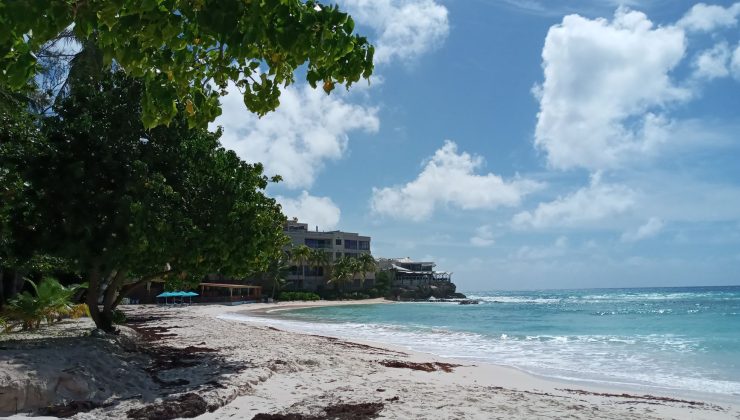
Organising a villa holiday for family or friends can be enjoyable long before the trip begins. It can also involve competing preferences, changing guest lists, and a surprising number of small decisions. The challenge is to create a plan that reflects the group without making every detail a committee discussion.
A clear brief helps. It gives travellers a common starting point and makes conversations with a rental specialist more productive. Instead of asking for an undefined “perfect villa,” the group can describe what it needs, where it is flexible, and what would make the stay feel successful.
Create a shared picture of the trip
Start with the purpose of the holiday. A reunion may need generous gathering space, while a quieter break may place more weight on privacy. A trip built around outings creates different priorities from one intended mainly for time at the house.
For travellers preparing that brief, Hammerton Barbados presents a portfolio of villas and apartments alongside information about help with arrangements such as transfers and groceries. A specialist’s service description can guide initial questions, while the written proposal should confirm the details of the particular booking.
Ask each household what it most wants from the week. Keep the conversation concrete: meals together, space for children, convenient outings, or time alone. The answers will be more useful than broad labels such as “luxury” or “relaxation,” which can mean something different to every person.
Set the budget before the shortlist grows
Discuss the total accommodation budget and how it will be shared. Decide whether the amount is a firm limit or whether there is room for a particular feature. Having that conversation early prevents someone from feeling pressured after others fall in love with a more expensive option.
Include the expenses the group expects to incur beyond rent. Transport, groceries, activities, and additional services should have a place in the planning discussion. The aim is not to predict every purchase, but to avoid treating the accommodation figure as the entire holiday budget.
Agree how payments between travellers will be handled. Choose one person to maintain a simple record of amounts due and paid. If contributions depend on room allocation or length of stay, settle that arrangement before the booking is confirmed.
Write a brief that invites useful answers
A strong enquiry includes proposed dates, flexibility, guest numbers, and the bedroom arrangement required. Add the most important location preference and any needs that affect the layout. Mention children’s ages or mobility requirements where relevant to the property search.
Keep essential requirements separate from optional wishes. A specialist can respond more effectively when it is clear which features cannot change. If every preference appears equally important, suitable alternatives may be overlooked.
Explain how the group expects to use the property. Saying that everyone wants to eat dinner together several nights gives more guidance than simply requesting a large villa. Likewise, explaining that two travellers need quiet space for occasional calls helps identify questions about room separation and connectivity.
Compare a small number of suitable options
Aim for a manageable shortlist rather than collecting dozens of links. For each option, record the same details: layout, location, inclusions, total quote, and unresolved questions. A consistent comparison keeps the discussion focused.
Ask why each property fits the brief and what compromise it involves. There may be a trade-off between direct beach access and greater indoor space, or between proximity to activity and a more secluded setting. Understanding the compromise is part of making a confident decision.
Give the group a clear way to respond. Ask members to identify any unmet requirement and then rank the remaining options. This produces more useful feedback than an open-ended exchange in which new properties are added faster than decisions are made.
Clarify what assistance includes
If the proposal includes planning help, ask what will be arranged on the group’s behalf and what remains the guests’ responsibility. Confirm whether a request is a suggestion, a provisional arrangement, or a completed reservation.
For airport transfers, provide accurate passenger and luggage information. For groceries, agree on a practical starting list and how costs will be settled. For dining assistance, communicate party size and dietary needs without assuming that a preferred time is available.
Keep important confirmations in writing. A short, organised record helps distinguish agreed arrangements from ideas discussed earlier. This is particularly useful when several people have spoken to different contacts during the planning process.
Make shared living comfortable
Room allocation deserves a conversation before arrival. Consider bed types, bathroom arrangements, and proximity to shared areas. If some rooms offer noticeably different features, agree on an allocation everyone understands rather than leaving the decision to the first person through the door.
Discuss a few everyday expectations without overplanning the stay. Decide whether breakfasts will be informal, whether the group wants certain shared dinners, and how common expenses will be recorded. A little clarity can prevent minor assumptions from becoming recurring frustrations.
Allow for different routines. Some guests may wake early, while others value a slower morning. Choose accommodation that gives people somewhere to gather and somewhere to step away, then avoid making every activity compulsory.
Build an itinerary with breathing room
Choose the experiences that matter most and place those first. Leave enough unscheduled time to enjoy the property and respond to how the group feels. A villa holiday can lose its appeal if every morning begins with a deadline.
Think in terms of a few anchors for the week: perhaps a shared outing, a special meal, and several open days. Keep travel time and the needs of the slowest-moving member in mind when combining activities.
Have an alternative for plans that depend on conditions or availability. The alternative does not need to be elaborate. Time at the house, a different outing, or moving an activity to another day may be enough to preserve a relaxed rhythm.
Prepare information everyone can find
Before departure, create one concise trip note with arrival details, the property contact, confirmed arrangements, and payment information relevant to the group. Share access in a way that works for all travellers.
Identify who will communicate with the property contact if several households are arriving separately. Make sure later arrivals know how to reach the house and what has already been arranged. Small coordination decisions are easier to settle before travel begins.
Keep personal documents and sensitive payment details separate from general group information. Everyone needs the practical plan, but not every traveller needs access to every record.
A well-planned holiday leaves room to relax
The value of preparation is the freedom it creates afterward. A shared brief, transparent budget, focused shortlist, and clear confirmations allow travellers to stop negotiating the basics once they arrive. With the practical questions handled, a Barbados villa holiday can centre on what brought the group together: time, conversation, and the pleasure of sharing a place for a while.