
Mistakes That Can Cost Oklahoma City Car Accident Victims
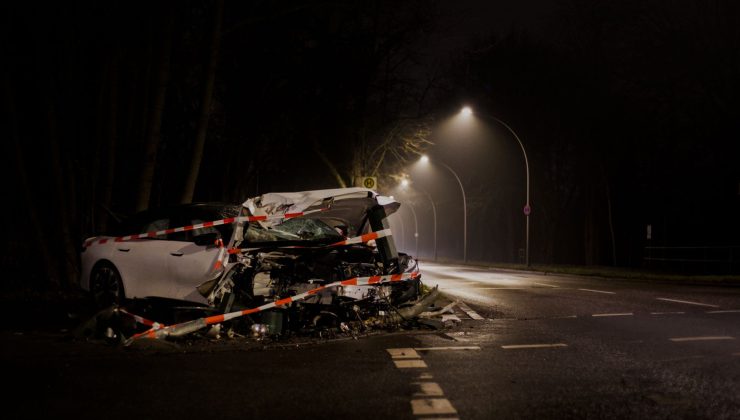
Oklahoma drivers die on the road at a higher rate than most of the country, yet the biggest threat to an injury claim rarely shows up at the crash site. Anyone who has looked up the steps to take after an Oklahoma City car accident has seen the familiar advice. Call 911, swap insurance cards, snap a few photos.
That advice is fine. It is also incomplete.
According to federal crash data from NHTSA, Oklahoma recorded 1.57 traffic deaths per 100 million miles driven in 2023. The national figure was 1.26. Higher death rates mean harder hits and more serious injuries.
The Real Damage Happens After the Tow Truck Leaves
Here is the uncomfortable truth. Most injury claims in Oklahoma City do not fall apart because of what happened in the intersection. They fall apart in the following month, through small choices that feel harmless at the time.
A skipped doctor visit. A friendly chat with an adjuster. A cousin’s birthday photo posted to Facebook.
Insurers know this pattern well. Their adjusters hunt for gaps, loose quotes, and missing records. The injured driver, meanwhile, is sore, short on sleep, and fighting to get a rental car approved. That mismatch is the whole game.
So forget the idea that the scene decides everything. The scene opens the file. The next thirty days fill it in. These five moves keep that file strong.
1. Treat the Police Report as Evidence, Not Paperwork
Oklahoma law, Title 47, Section 10-107, says a driver in a crash that hurts or kills anyone must notify police right away by the quickest means available. Inside city limits, that call goes to the Oklahoma City Police Department. On a county road or a turnpike, it may go to the sheriff or the Oklahoma Highway Patrol.
Plenty of people skip the call after a fender bender because nobody looks hurt. That is a gamble. A police report creates a neutral record with names, insurance details, and a diagram. Ask the officer for the report number before you leave.
2. See a Doctor Within 72 Hours, Even If You Feel Fine
Adrenaline is a strong painkiller. Neck strain, disc damage, and mild brain injuries often feel worse on day two or three than they did on the shoulder of I-40.
Waiting for the ache to fade seems sensible. To an insurer, though, a gap before the first exam suggests something else caused the pain. A quick visit to urgent care, a family doctor, or an ER at a hospital in Oklahoma City such as OU Health or Integris Baptist creates a dated record tying the injury to the wreck.
Follow every referral after that, including physical therapy. Missed appointments look like recovery on paper.
3. Give the Other Insurer Less Than They Ask For
Within a day or two, expect a call from the at-fault driver’s insurance company. The adjuster will sound kind and may ask to record a short statement. You do not have to agree. Your duty to cooperate runs to your own insurer, not theirs.
Early recorded statements tend to lock people into guesses. Saying “I’m fine” on day one can follow you for months. A polite reply works: you are still getting checked out and will follow up later.
Pull out your own declarations page. Oklahoma insurers must offer uninsured and underinsured motorist coverage, and many drivers carry it without realizing. If the other driver has no policy or a thin one, that coverage may step in.
4. Learn the Deadlines Nobody Mentions at the Scene
Legal clocks start ticking the moment metal meets metal, and some catch even careful people off guard.
- Most injury lawsuits in Oklahoma must be filed within two years of the crash.
- Claims against a city, county, or state agency need written notice within one year, so a wreck with a garbage truck or other city vehicle in Oklahoma City runs on a much faster schedule.
- If a crash causes injury or more than $300 in damage and is not settled within six months, Section 10-108 requires a written report to the Department of Public Safety.
- Oklahoma uses a modified comparative fault rule, so an award shrinks by your share of blame and vanishes if you are found more than 50 percent at fault.
- Signing a release ends the claim for good, including treatment you have not had yet.
5. Build the Paper Trail Before Memory Fades
Memory is a poor witness six months later. Records hold up.
Start one folder, on paper or on your phone, and add to it daily. Photograph the cars, the road, skid marks, traffic signals, and any bruises as they change color. Each night, jot two or three lines about pain, sleep, and anything you had to miss, like a work shift or a kid’s ballgame. Save every medical bill, pharmacy receipt, and mileage note for trips to appointments.
Then order your collision report through the Oklahoma Department of Public Safety records request form as soon as it becomes available. Mistakes in the officer’s narrative are easier to fix early than after an insurer builds its case around them.
Frequently Asked Questions
Should I settle with the other driver for cash and skip insurance?
Handshake deals often collapse once a repair estimate climbs or pain shows up a week later. Once anything is signed, reopening the matter is hard.
Is there a cap on pain and suffering damages in Oklahoma?
No. The Oklahoma Supreme Court struck down the $350,000 cap on noneconomic damages in 2019, in Beason v. I.E. Miller Services.
Do I need a lawyer for a minor crash in Oklahoma City?
Not always. A property-only claim with clear fault is often simple to handle alone. Injuries, disputed blame, a government vehicle, or a commercial truck change that picture quickly.
Can I still recover money if I was partly at fault?
Yes, if your share of the blame is 50 percent or less. Your award shrinks by that percentage.
The Bottom Line
The scary moment on an Oklahoma City road like Northwest Expressway lasts a few seconds. The weeks after matter far more. Drivers who get checked out early, guard their words, watch the calendar, and keep good records give themselves a fair shot.
For anyone hurt in a wreck around Oklahoma City, Norman, Moore, or Edmond, AP Injury Lawyers offers free consultations, and someone answers the phone around the clock.