How to Prevent Mold After Water Damage
Water from a burst pipe, a leaking appliance, a roof failure, or a storm can create a mold problem long after the visible puddle is gone. The priority is to stop the source, protect people, remove water, and thoroughly dry affected materials. When damage is extensive, contaminated, or difficult to reach, a qualified mold removal service may be needed to assess hidden moisture and safely manage cleanup.
Quick action matters because mold can grow where moisture remains on materials such as drywall, wood, carpet, paper-backed products, and insulation. A room may look dry while water remains beneath the flooring, behind the trim, or inside wall cavities, so cleanup should focus on the entire structure rather than just the surface.
Why Water Damage Raises Mold Risk
Mold needs moisture and a material on which it can grow. That is why damp drywall, carpet padding, wood framing, insulation, and stored cardboard deserve attention after a leak or flood. Conditions vary by building, airflow, indoor humidity, weather, and the amount of water involved, but wet items should be cleaned and dried promptly. The CDC advises homeowners to clean and dry wet items within 48 to 72 hours when possible.
What to Do in the First Few Hours
- Protect people first. Stay out of wet areas near outlets, electrical panels, appliances, or sagging ceilings. Do not enter a space if electrical safety is uncertain.
- Stop the water source. Shut off the supply valve, turn off an appliance, or contact a qualified plumber when the leak cannot be safely controlled.
- Document the damage. Take photographs and video before discarding materials or moving major belongings. Keep notes about when the leak began and when drying started.
- Move belongings. Separate dry items from wet items and place salvageable belongings in a clean, dry location.
- Address standing water. Remove water only when conditions are safe, and the equipment is appropriate for the situation.
- Treat contaminated water seriously. Keep people and pets away from sewage backups, floodwater, and other potentially contaminated water.
How to Dry a Wet Space Properly
Wiping a floor dry does not mean the building is dry. Water can remain beneath flooring, in subfloors, inside cabinets, and behind baseboards. Effective drying usually combines water removal, air movement, dehumidification, and regular checks of affected materials. Opening windows can help when outdoor air is dry, but humid outdoor conditions can add moisture indoors.
- Remove standing water and wet rugs or movable items.
- Increase safe airflow through the affected space.
- Use dehumidification to lower indoor moisture.
- Check closets, cabinets, walls, and flooring instead of relying on touch alone.
- Continue checking materials daily until they are dry and stable.
Where Hidden Moisture Often Remains
Hidden moisture is one reason water damage can return later as a musty odor or visible spotting. Inspect behind baseboards, under carpet and padding, beneath floating floors, inside lower cabinets, around appliance connections, and near plumbing penetrations. Basements, crawl spaces, attic areas, and corners with poor airflow also deserve attention.
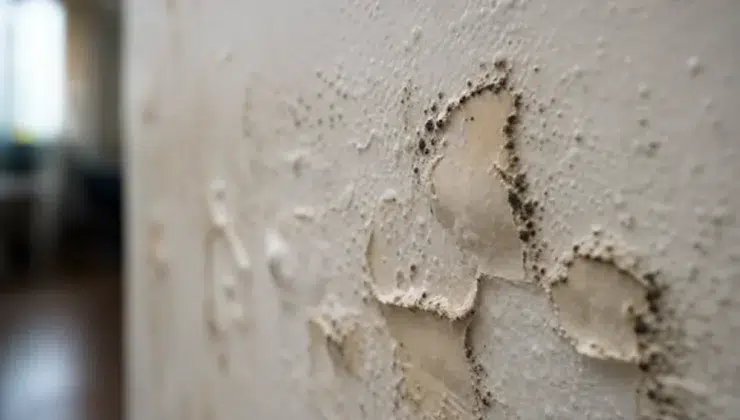
Bubbling paint, warped flooring, soft drywall, swollen trim, recurring stains, and a persistent musty smell can all indicate that moisture has not been fully resolved. Covering those signs with paint, flooring, trim, or sealant can trap moisture rather than correct the cause.
Which Materials May Need Removal
Whether a material can be saved depends on the water source, how long it stayed wet, how deeply it absorbed moisture, and whether it can be dried completely. Hard, nonporous items are often easier to clean and dry than porous materials.
- Solid wood: Dry and clean it, then monitor joints, seams, and areas where boards may cup or separate.
- Drywall: Evaluate it quickly, as the paper surface can retain moisture, which encourages growth.
- Carpet padding: It can retain water beneath the carpet and may require removal or specialized drying.
- Insulation: Saturated or contaminated insulation may lose performance and can be difficult to dry thoroughly.
- Ceiling tiles and cardboard: These absorb water readily and often cannot be restored after significant wetting.
How to Clean Up Safely
Small cleanup tasks still require care. The CDC recommends that people cleaning mold protect their mouth, nose, skin, and eyes with appropriate equipment, including gloves, goggles, and at least a properly fitted N95 respirator. Its guidance also notes that people with asthma, chronic lung disease, immune suppression, or mold allergies should not take part in cleanup.
Never mix bleach with ammonia or other cleaning products. Cleaning a visible surface also does not fix damp material beneath it. If visible mold is present, avoid using fans in a way that could disturb material before the moisture problem and cleanup approach are addressed.
When Professional Help Makes Sense
Professional assessment is sensible when water affects multiple rooms, enters walls or ceilings, involves HVAC components, or comes from sewage or floodwater. Additional warning signs include a lingering musty smell, recurring mold after cleaning, soft or unstable materials, and moisture that cannot be reached or dried with household equipment. Effective restoration is about controlling moisture and removing damaged materials when necessary, not simply treating a stain.
How to Monitor the Area After Cleanup
Check the affected area daily during the first week. Look for new staining, peeling paint, soft spots, odors, or signs of rising humidity. Keep photos, repair invoices, drying dates, and a record of materials that were removed or replaced. Before closing a wall or reinstalling flooring, confirm that the area is dry and that the original leak or point of intrusion has been repaired.
Ways to Reduce Future Water and Mold Problems
- Promptly repair plumbing leaks, roof damage, failed caulking, and appliance connections.
- Use bathroom and kitchen exhaust fans that vent outdoors.
- Manage indoor humidity, especially in basements, laundry rooms, and bathrooms.
- Check HVAC condensate lines and equipment for leaks.
- Keep stored belongings raised off the basement floors.
- Direct downspouts and grading away from the foundation.
- Inspect attics, crawl spaces, windows, and roofs after major storms.
A Simple Plan for the Next Water Emergency
After water damage, move quickly but avoid rushing past safety concerns. Stop the source, document the loss, remove standing water, dry the structure, inspect hidden spaces, and do not cover damp materials. Widespread damage, contaminated water, persistent odors, and recurring growth are signs that the problem needs more careful evaluation.