Hard-Shell vs Soft-Side Luggage: Which Is Better for Travel?
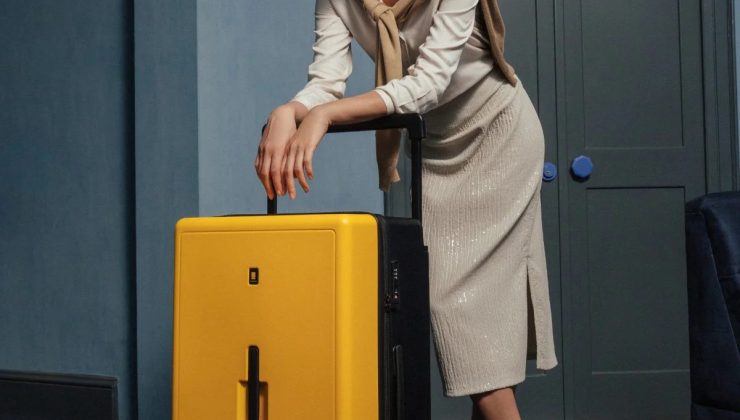
Choosing luggage often begins with one major decision: hard shell or soft side. Both designs can work well, but they respond differently to pressure, rain, tight storage spaces, and changing packing needs. The better option depends on how a traveler packs and where the case will be used.
For carry on luggage, the decision also affects access and flexibility. A hard-shell case offers a structured exterior, while a soft-side design may include exterior pockets and a more flexible body. Comparing their practical differences is more useful than assuming one category is universally superior.
What Is the Difference Between Hard-Shell and Soft-Side Luggage?
Hard-shell luggage uses a molded exterior commonly made from polycarbonate, polypropylene, ABS, aluminum, or a combination of materials. Most models open into two similarly sized compartments. Their structured shape helps prevent the sides from collapsing inward.
Soft-side luggage uses woven fabric, often polyester or nylon, over a supporting frame. Many models open through a front lid and include exterior pockets. The flexible construction can make it easier to fit the case into irregular storage areas, provided it is not overpacked.
Material quality varies greatly within both categories. A carefully constructed soft case can outperform a poorly made hard case, and the reverse is also true. Wheels, handles, seams, zippers, and frames remain critical in either design.
What Are the Benefits and Drawbacks of Hard-Shell Luggage?
A hard exterior provides a structured barrier around packed items. This can be helpful when carrying objects that should not be compressed. The smooth surface is also relatively easy to wipe clean, and models without exterior fabric absorb less surface moisture.
Polycarbonate shells can flex when pressure is applied, while polypropylene can offer a useful balance of low weight and impact resistance. Aluminum provides a rigid structure but is generally heavier and can dent.
Hard-shell cases usually have fewer or no exterior pockets. Travelers may need to open the full case to retrieve a jacket, document, or charger. Because most designs split into two halves, they also require more floor space when opened.
Scratches and scuffs can become visible on smooth surfaces, particularly darker or glossy finishes. A rigid shape also offers limited flexibility when a traveler tries to squeeze in one final item.
What Are the Benefits and Drawbacks of Soft-Side Luggage?
Soft-side cases often provide quick-access compartments for travel documents, small electronics, or clothing layers. Their front-opening design may be convenient in hotel rooms where floor space is limited. Some models also include expandable sections.
The fabric body can flex slightly around packed contents and may fit more easily into a crowded trunk or overhead compartment. However, expansion should be used carefully because an expanded case may exceed an airline’s dimensional limit.
Fabric is more vulnerable to staining and can absorb moisture unless it has an effective coating. Soft sides also offer less resistance to crushing than a structured shell. Sharp objects can damage the fabric, although strong nylon or polyester with reinforced stitching can tolerate substantial wear.
How Do Hard-Shell and Soft-Side Luggage Compare?
For weather exposure, a hard case may resist light rain better, but most suitcases are not fully waterproof. Water can still enter through zippers, seams, or closures. A rain cover or internal waterproof pouch is sensible when conditions are severe.
Hard shells provide more structure, whereas soft cases usually offer easier external access. Weight depends on the model rather than the category alone. Modern polycarbonate and polypropylene cases can be light, while heavy frames can increase the weight of either type.
Security also depends on construction. A lock may discourage casual access, but it cannot make a suitcase completely theft-proof. Strong zipper tracks, secure latches, and attentive handling remain important.
Which Type of Luggage Should You Choose for Your Trip?
Choose a hard-shell case when you want a structured interior, easy exterior cleaning, or additional resistance to pressure. It may suit flights involving checked baggage, rainy destinations, or trips carrying carefully organized items.
Choose a soft-side case when exterior pockets, flexible storage, and front-lid access are more important. It may be useful for road trips, train travel, or hotel rooms with limited space.
Before purchasing either type, check the empty weight, external dimensions, wheel stability, handle movement, closure system, and warranty. The best luggage is the design that fits the journey while remaining comfortable to pack, lift, and move.