
Why Auckland Homeowners Are Upgrading Their Air Conditioning Systems This Season
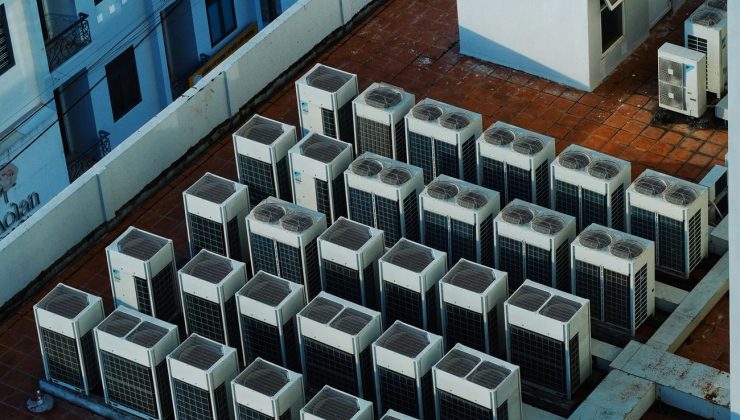
Ageing air conditioning systems are showing their age due to the warm weather in Auckland. Homes with uneven cooling, rising power bills, or frequent repairs need a clear upgrade plan. Modern equipment can improve temperature control while using electricity more carefully, provided the system matches the home.
The right choice depends on room size, insulation, sun exposure, and household routines. Several practical checks explain why Aucklanders are replacing older units this season and what an upgrade should deliver.
An assessment should examine airflow, insulation, pipework, and the outdoor unit. A qualified technician can determine whether repair or replacement suits the property. For impartial guidance, homeowners can contact air conditioning specialists in Auckland.
That review should cover room temperatures, electrical supply, drainage, noise, and control settings. It gives homeowners a sound basis for comparing options before summer demand rises sharply.
Why Older Systems Struggle
Older air conditioners often lose performance through blocked filters, worn components, refrigerant problems, or restricted airflow. A unit can still run while delivering less cooling than it provided when new. Longer operating periods then increase electricity use and place more strain on the compressor.
Auckland homes also face varied conditions. Coastal moisture, hillside exposure, afternoon sun, and open-plan renovations affect how much cooling each room requires. A system selected for a smaller layout can struggle after walls are removed or additional glazing is installed.
Frequent cycling creates another warning sign. The compressor starts and stops repeatedly when the system cannot match the room load or has an airflow fault. This pattern creates uneven temperatures and increases wear on electrical and mechanical parts.
Efficiency and Running Costs
Newer systems use inverter technology to adjust compressor speed rather than switching between full power and complete shutdown. That control keeps room temperatures steadier and reduces unnecessary power use during lighter cooling periods.
Efficiency depends on correct sizing as much as equipment performance. An oversized unit cools the air quickly but can stop before removing enough moisture. An undersized unit runs for long periods and struggles during hot afternoons.
Homeowners should compare expected running costs with repair history, not purchase price alone. A cheaper replacement becomes less attractive if it needs repeated service or leaves several rooms uncomfortable. Energy labels, usage patterns, and installation quality provide a better comparison.
Better Comfort Across the Home
A replacement system should address the rooms that need cooling, not simply copy the position of an old unit. Outdoor shade, window direction, ceiling height, and insulation affect heat gain. These details influence indoor comfort throughout the day.
Single-room systems suit homes where occupants use defined areas at different times. Multi-room or ducted systems suit properties that need broader temperature control. Each arrangement has different installation requirements, operating costs, and control options.
Noise also deserves attention. Outdoor units need suitable clearance and stable mounting, while indoor units require careful placement. Poor positioning can direct sound towards bedrooms, neighbouring properties, and outdoor living areas.
Planning the Upgrade
Installation planning should include electrical capacity, condensate drainage, pipe routes, and access for future servicing. The indoor unit needs enough clearance for air circulation and filter removal. The outdoor unit needs a stable base with space around it.
Homeowners should ask for a written scope before work begins. The document should identify equipment locations, electrical work, drainage arrangements, commissioning checks, and any changes to existing pipework. Clear scope reduces disputes and exposes missing work early.
Timing also matters during Auckland’s warmer months. Booking an assessment before a breakdown gives homeowners time to compare options and arrange installation. Waiting for complete failure can leave a household choosing equipment under pressure.
Keep the New System Working
Regular filter cleaning protects airflow and helps the system maintain its intended performance. Dust, cooking residue, and pet hair restrict filters faster in busy homes. The manufacturer’s maintenance instructions should guide cleaning intervals.
A professional service can inspect coils, electrical connections, drainage, refrigerant performance, and outdoor airflow. These checks identify faults before they cause a sudden loss of cooling. Homeowners should also keep outdoor units clear of leaves, stored items, and garden growth.
Good operation supports lower running costs. Doors and windows should remain closed while cooling, and blinds can reduce direct afternoon heat. Moderate thermostat settings also prevent unnecessary workload during warm weather.
Conclusion
An air conditioning upgrade makes practical sense when an older system runs longer, cools unevenly, or needs repeated repairs. Auckland homeowners should begin with a property assessment rather than choosing equipment by appearance or capacity alone.
Room conditions, insulation, electrical requirements, drainage, and maintenance access all affect the result. The next step is to arrange a written assessment, compare the recommended options, and confirm the full installation scope before approving the work.