Building Skills at the Range: A Realistic Training Plan for Hunters
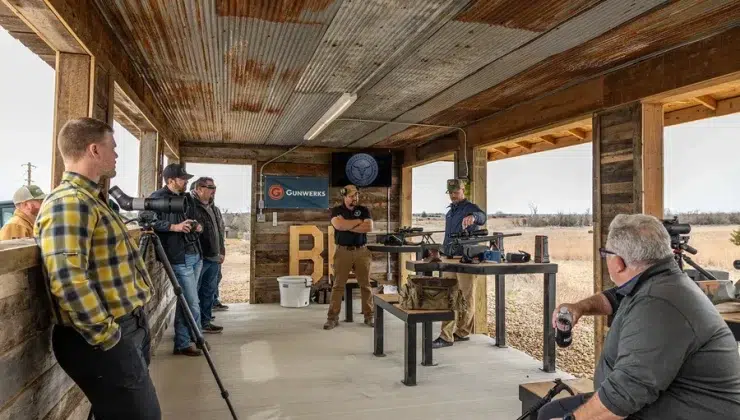
Most hunters show up at the range a week before opening day, fire a box of ammunition to “sight in,” and call it good. Then they wonder why that 150-yard shot on a mature buck feels so much harder than punching paper at a static target. The problem isn’t lack of ability—it’s lack of purposeful practice.
Range time should simulate hunting conditions as closely as possible, but that’s not what happens at most shooting facilities. Hunters stand at comfortable benches, take their time lining up perfect shots, and shoot at targets that don’t move. None of this prepares anyone for the reality of hunting, where shots happen quickly, positions are awkward, and adrenaline makes everything feel different.
Starting With the Fundamentals
Before worrying about advanced techniques, the basics need to be automatic. Proper stance, consistent breathing, trigger control—these aren’t exciting topics, but they’re what separate confident shots from sketchy ones. The goal is to perform these fundamentals without thinking about them, which only happens through repetition.
Start every range session with slow, deliberate shots from a stable position. This isn’t about speed or challenge; it’s about building muscle memory. Fire five rounds, focusing entirely on smooth trigger pulls and proper follow-through. Many experienced shooters skip this step because it feels too simple, but it’s the foundation everything else builds on.
Choosing the right equipment matters more than most people realize at this stage. A lever action rifle offers a straightforward platform for developing solid fundamentals, since the manual action forces deliberate shooting and discourages rushing through shots. The cycling process itself becomes part of the rhythm, which helps reinforce good habits between rounds.
Moving Beyond the Bench
Here’s where most range training falls apart. Hunters spend hours shooting from a bench rest, then find themselves in the field trying to make a shot while kneeling behind a fallen log or standing against a tree. The transition is jarring, and that’s being generous about it.
Dedicate at least half of every range session to shooting from field positions. Start with sitting positions, which offer more stability than most people expect once the technique is dialed in. The key is getting low and using the knees as a solid rest for the elbows. It feels awkward at first, but this position shows up constantly in real hunting situations.
Kneeling shots come next. These are less stable than sitting but allow for quicker positioning when cover or terrain demands it. The rear knee should be down with the other foot forward, and the elbow of the support arm rests on the forward knee. Practice dropping into this position smoothly—fumbling around trying to get comfortable while game is present never ends well.
Standing unsupported shots are the hardest and should be practiced regularly, even though most hunters avoid them. The reality is that sometimes there’s no other option, and having confidence in this position can mean the difference between taking a shot and watching an opportunity walk away. Focus on natural point of aim here, where the body settles into the target rather than muscling the rifle into position.
Adding Time Pressure
Accuracy without speed has limited value in hunting. Most shot opportunities don’t last long, and the ability to get on target quickly matters just as much as making the shot itself. This doesn’t mean rushing or being careless—it means eliminating wasted motion and hesitation.
Set a timer for these drills. From a low ready position (rifle held but not shouldered), give yourself five seconds to shoulder the rifle, acquire the target, and break the shot. Five seconds sounds generous until you’re actually doing it, especially from field positions. As this becomes comfortable, reduce the time to four seconds, then three.
The problem is that most people speed up the wrong parts when time gets tight. They rush the trigger pull or yank the rifle to their shoulder, which destroys accuracy. The goal is to move efficiently through the setup, then execute the shot with the same smooth fundamentals practiced during slow fire. Speed comes from eliminating pauses and unnecessary movements, not from doing everything faster.
Shooting at Distance
Range estimation causes more missed shots than bad marksmanship. Standing at a known 100-yard line is nothing compared to judging distance in the field where terrain and lighting play tricks on perception. The only way to get better at this is practice with unknown distances.
If the range allows it, set targets at various distances without marking them. Make a guess, then shoot. After confirming the actual distance, note how far off the estimate was and what visual cues were misleading. This kind of practice is humbling but incredibly valuable. Most hunters overestimate distances beyond 150 yards and underestimate anything inside 75 yards.
Longer shots require adjustments in both elevation and wind reading. Start practicing these shots at 200 yards, focusing on consistent hits before moving further out. Pay attention to wind conditions during each session—shooting only on calm days might feel productive, but it doesn’t prepare anyone for real hunting conditions. A moderate crosswind teaches more about bullet drift in one session than a dozen calm days ever will.
Making Practice Count
The biggest mistake hunters make is treating range time as a casual activity rather than focused training. Bring specific goals to each session and track progress honestly. Write down group sizes, note which positions feel weak, and identify patterns in misses. This kind of deliberate practice improves skills far faster than simply burning through ammunition.
Dry fire practice at home extends range time without the cost of ammunition. The fundamentals—mounting the rifle smoothly, acquiring sight pictures, controlling the trigger—can all be practiced without firing a shot. Ten minutes of daily dry fire work produces noticeable improvements within a couple weeks.
Consider that most hunters spend more time researching gear than actually practicing with what they already own. A mediocre rifle in practiced hands will always outperform the finest equipment handled poorly. The range is where competence gets built, one session at a time, through honest assessment and purposeful repetition.
When opening day arrives, confidence comes from knowing the rifle and knowing what can be done with it under pressure. That confidence doesn’t appear magically—it’s earned through the kind of range work that most hunters skip because it’s not exciting or convenient. But it’s what separates successful hunts from stories about the one that got away.