Staying in Charge: How to Monitor Your Solar Panel System Performance
Solar panels are a long-term investment in clean energy and lower utility bills; however, their performance can vary depending on environmental conditions, equipment quality, and the level of system maintenance. Monitoring your solar panel system helps you stay informed about the amount of energy you’re producing, identify potential issues early, and maximize the return on your investment. Whether you’re in Tracy, CA, where sunny days are common, or in a region with more variable weather, understanding how your system is performing ensures you’re getting what you paid for. We will explore the various methods and tools that help homeowners effectively monitor their solar systems and interpret the data to take smart, timely actions.
Ways to Monitor Your Solar Panel System’s Performance
-
Use the Inverter Display to Track Real-Time Output
The inverter is a central component of your solar energy system, converting the direct current (DC) generated by your panels into alternating current (AC) used in your home. Most inverters have a built-in display that shows key data, such as daily energy production, voltage levels, and total energy generated over the system’s lifetime. If you’re not ready to invest in additional equipment or software, your inverter display is the first and most accessible place to start monitoring your system.
Checking this display once a day or a few times a week gives you a general idea of how your system is performing. Look for unusual drops in daily output or error messages. These signs may indicate that part of your system isn’t functioning properly, such as a panel covered in debris, an electrical fault, or weather-related shading. By making inverter monitoring a habit, you’ll catch inconsistencies early and avoid prolonged periods of reduced energy production.
-
Install a Solar Monitoring App for Detailed Insights
Most modern solar energy systems, including those installed by North Valley Solar Power, come with apps or web portals that allow homeowners to monitor their system performance from a smartphone or computer. These tools go far beyond basic output numbers. With a quality app, you can track hourly energy production, compare it against past performance, and even evaluate which days or times produce the most power. This type of monitoring is particularly useful in Tracy, CA, where fluctuations in temperature and sunlight levels across seasons can subtly affect your panel efficiency.
Many apps also send notifications for maintenance alerts or system faults, making it easier to respond quickly and effectively. Some platforms even integrate with smart home systems, allowing you to control how and when your solar power is used or stored. This not only optimizes your system’s efficiency but can also help you manage your energy consumption habits based on production trends throughout the day.
-
Track Utility Bill Comparisons and Net Metering Performance
If you’re connected to the grid through a net metering arrangement, comparing your monthly utility bill with previous months or years is another way to monitor your system. Net metering enables you to receive credits for the excess energy your solar panels produce and send back to the grid. Reviewing these credits helps you understand whether your panels are generating at expected levels. If your bill unexpectedly increases or your credits decrease, it could indicate a drop in solar output. This may be due to dirt buildup on the panels, inverter issues, or environmental changes such as new shade from nearby trees.
Make it a point to log your utility statements and note changes in energy usage or generation credits. Over time, you’ll build a personal baseline of what your energy patterns look like during different seasons. In Tracy, where summer sun can produce high output, sharp changes in fall or winter can be tracked through billing trends when combined with digital monitoring.
-
Schedule Periodic System Inspections
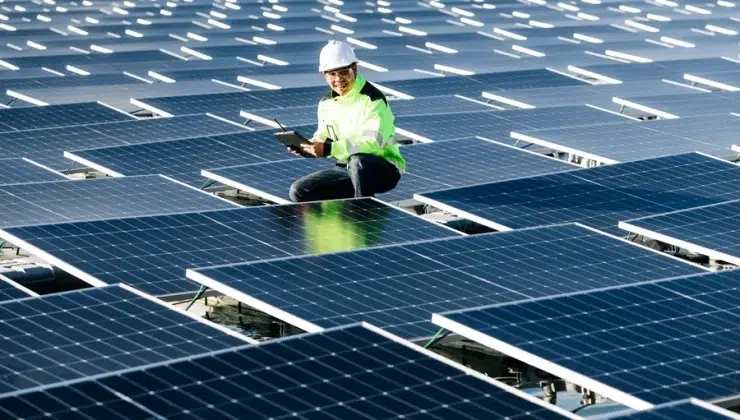
Technology is powerful, but it’s not a complete substitute for human observation. Even with great software, physical inspections remain an important part of performance monitoring. Schedule a visual inspection of your solar system at least once or twice a year to ensure optimal performance. Look for common issues such as cracked panels, corrosion, animal nesting, or obstructed wiring. In a region like Tracy, where dust and pollen are common, buildup on panels can significantly impact efficiency. Cleaning panels properly and ensuring all parts are secure can often restore system output without requiring technical repairs.
Some solar companies offer maintenance check-ups as part of their service, while others can perform an audit if you suspect an issue. You might not need inspections every month, but checking after major storms, heatwaves, or environmental shifts can prevent long-term wear. Physical checks work best when paired with app or inverter data to confirm whether the numbers you’re seeing match the actual system condition.
Monitoring your solar panel system’s performance isn’t just about technology—it’s about awareness, consistency, and timely action. By understanding how your system operates and knowing which tools to utilize, you can optimize energy production, reduce electricity costs, and extend the lifespan of your system. Whether you’re reading the inverter, reviewing app data, checking your utility bills, or performing visual inspections, each method plays a role in keeping your system on track. For homeowners in Tracy, CA, where sunshine is plentiful but conditions can still vary, staying attentive ensures your solar panels continue to work efficiently year-round. Keeping your system performing well is more than a task—it’s part of owning a smart, self-sustaining energy solution.