
Choosing a Folding Ebike for a Home With Limited Storage
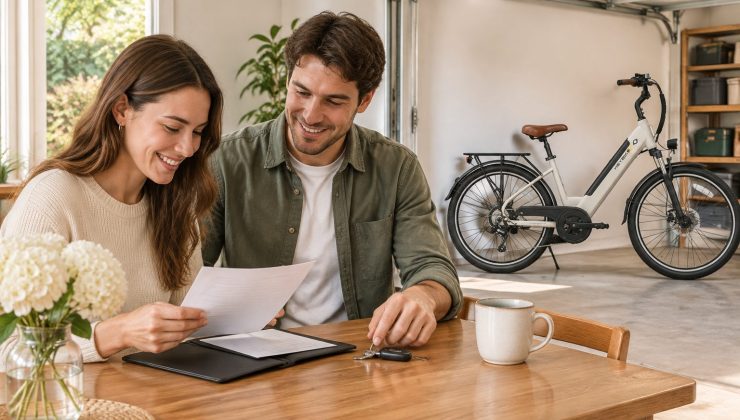
A folding frame can make an electric bicycle easier to live with when space is tight. It lets the bike occupy a different shape between rides, which can be useful beside a desk, inside a utility room, or in a compact garage. The best choice starts with a particular storage spot and the route into it. A bike that fits the final space but is awkward to move there will still be inconvenient every day.
Before comparing motors or accessories, picture an ordinary arrival home. There may be a door to unlock, a corner to turn, and a bag to put down. Those small movements reveal what the storage arrangement needs to do. The goal is a bicycle that can be put away without rearranging the room after every trip.
Measure a usable space rather than an empty rectangle
Mark out the available floor area with removable tape. Leave room for doors, furniture, ventilation, and the things people need to reach. Include the handlebar, pedals, and any accessory that stays on the bike. A published folded length alone cannot describe every protruding part or the space needed to unfold the frame again.
Check the height as well as the footprint. A low shelf or worktop may interfere with the saddle or handlebar. If the bike is going beside another item, consider which one must move first. It is better to discover a blocked cupboard during measuring than after the bicycle has become part of the daily routine.
Compare the folded and unfolded shapes
A folding ebike should fit the rider when open and the home when stored. Compare both sets of dimensions, along with the listed weight and the folding sequence. Two bikes described as compact can have quite different shapes once folded, and one may be easier to position in a particular corner.
Ask what remains exposed after folding. Wheels, pedals, and handlebars can affect how close the bike sits to a wall. Accessories may change the package, so use dimensions for the configuration being considered. Do not assume that a basket or replacement handlebar leaves the original folded measurements unchanged.
Rehearse the route through the home
Measure the narrowest doorway and check turns immediately behind it. Think about whether the bike will enter open or folded, where the folding step will happen, and whether the rider has enough clear space to follow the instructions. A straight corridor can be simpler than a shorter route with several tight corners.
Weight matters whenever the plan includes lifting. Folding changes the bike’s shape; it does not automatically make it light. Consider the height of any threshold and the rider’s ability to control the bike while opening a door. If the route depends on a difficult carry, a ground-level storage option may be more useful than a smaller folded package.
Keep the riding choice in the decision
Storage should narrow the shortlist without taking over the whole purchase. The bike still needs a comfortable riding position, accessible controls, and suitable handling for the intended route. A compact wheelbase or smaller wheels may feel different from a bicycle the rider already knows, so a practical test ride is valuable when available.
When comparing an ebike, use the same everyday trip for each candidate. Include a start, a controlled stop, a turn, and a short section ridden without relying on a maximum assistance setting. This keeps the comparison connected to actual travel instead of treating the smallest folded size as the only measure of suitability.
Give wet equipment and loose items a place
Decide where a helmet, lock, and ordinary riding bag will go. If these items end up piled against the folded bicycle, the storage area may need more room than expected. A small hook or nearby shelf can help keep the arrangement organized without attaching extra equipment to the frame.
Plan for a damp return as well. Clean and dry the bike according to its care instructions before putting it away, and keep the area clear of items that could catch on moving parts. Avoid choosing a spot that blocks an exit or requires the bicycle to lean unpredictably against furniture. Stability is part of a usable storage solution.
Separate storage from charging
A convenient parking corner is not necessarily the right charging location. Follow the battery and charger instructions and any building rules. Use the specified charging equipment, keep the area suitable for the procedure, and arrange cables so people do not trip over them. Do not improvise a charging method to make an otherwise awkward corner work.
Finally, run through the complete sequence: arrive, put down the bag, fold, secure, and store. Then reverse it as if leaving in a hurry the next morning. If each step is manageable, the space is doing its job. A folding bike earns its place at home through a routine that remains simple after the novelty of the first ride has passed.