
Who Is at Fault in a Parking Lot Accident in Denver?
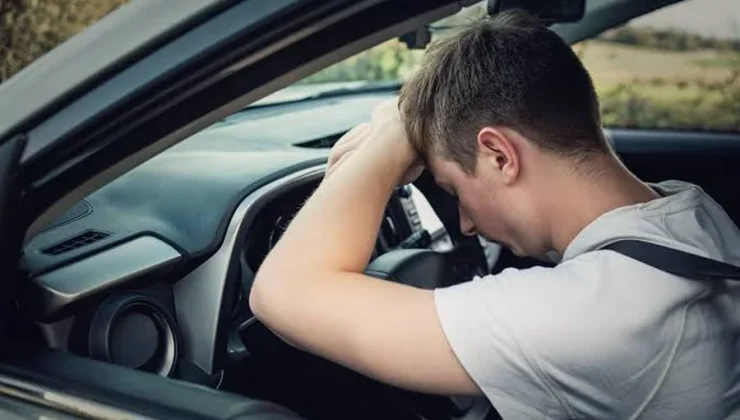
Parking lots look low-risk. Speeds are slow, distances are short, and drivers assume a fender tap is barely worth a phone call. Then vehicles meet while backing out of facing spaces, nobody agrees on who moved when, and what seemed minor turns into a dispute over damage, injuries, and who pays.
Fault in these crashes is rarely as obvious as the people involved expect. Parking lots are usually private property, painted markings carry different weight than public road signage, and there is often no traffic control to point to. Anyone sorting through a parking lot collision may benefit from talking to a Denver car accident lawyer before giving a recorded statement to an insurer.
Why parking lots complicate the fault question
On a public road, right of way is spelled out by signs, signals, and lane position. A parking lot has fewer of those markers. Drivers move in reverse, sightlines are blocked by taller vehicles, pedestrians cross wherever they please, and through lanes are not consistently marked as through lanes.
Because of this, fault often turns on ordinary questions of reasonable care rather than a clear traffic violation. Which driver had a view of the lane? Who was traveling through a lane, and who was entering it? Did either driver have a realistic chance to stop? Those answers come from evidence, not from assumptions about how parking lots generally work.
Fault can be shared
Many states allow fault to be divided among the people involved rather than assigned entirely to a driver. Where that happens, a person found partly at fault may see any recovery reduced in proportion to their share. How that division works, and whether it limits recovery at all, depends on the state and on the facts. A reader should confirm how their own state’s law applies.
What tends to decide these disputes
Evidence, not argument. Useful material often includes:
- Photographs of the vehicles where they came to rest, taken before anyone moves them.
- Wide shots showing painted markings, directional arrows, stop paint, and any signage.
- The position of surrounding parked cars, which can explain a blocked sightline.
- Names and phone numbers for anyone who saw it happen.
- Security or dashcam footage, which private lots may overwrite quickly.
That footage point matters more than people realize. Many businesses keep camera recordings only briefly before the system records over them. A written request sent early can preserve a recording that might otherwise disappear.
Property damage is not the whole picture
Low-speed impacts can still cause real injury, particularly to the neck, back, shoulders, and wrists, and particularly for someone braced against a steering wheel or turned to look over a shoulder. Symptoms may not appear until hours or days later. Seeking a medical evaluation soon after a crash creates a record connecting the injury to the collision, which can matter later even when the damage to the car looks cosmetic.
Reporting and insurance
Private property can change how a crash is reported, and drivers sometimes take that to mean no report is possible. Exchanging information, notifying the insurer, and asking the property owner or manager what documentation exists are all reasonable steps. Whether law enforcement responds to a private lot can depend on the circumstances, including whether anyone reports an injury.
An insurance adjuster’s view of fault is not a legal determination. Adjusters work from the statements and documents in front of them, and an early recorded statement given without advice can be hard to walk back.
When to talk to an attorney
A minor scrape with no injuries and cooperative drivers may not need counsel. The picture changes when someone is hurt, when the accounts conflict, when an insurer assigns fault quickly, or when a commercial vehicle or the property owner may be involved.
Filing deadlines vary by claim type and can be short. An attorney should confirm which deadline applies. Fee arrangements are generally discussed during an initial consultation.
The short version
Fault in a parking lot crash is not assigned by a rule of thumb. It comes out of what the evidence shows about how each vehicle was moving and what each driver could see. Document the scene, seek care if anything hurts, and be careful about characterizing fault before the facts are clear. Laws differ by state, and a reader should confirm how their own state’s law applies to their situation.
CGH Injury Lawyers
2701 Lawrence St Ste 201, Denver, CO 80205
(720) 669-8062