What We Wear Between Plans: Dressing for the Spaces in Between
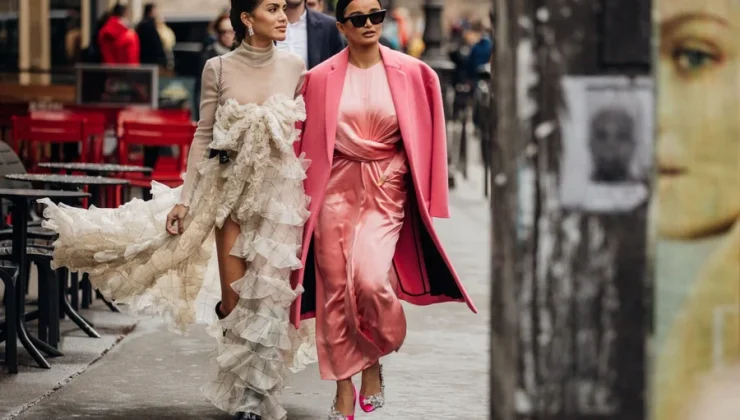
Quick Answer: The most useful women’s tops are the ones that move easily through a changing day. A soft knit can begin with tailored trousers for work, a shirt can become a light outer layer after lunch, and a fitted top can take on a new mood with a jacket, skirt, or coat. The goal is not to dress for one perfect moment, but to stay comfortable and considered between plans.
The Morning Outfit Has More Than One Destination
A woman’s day rarely follows a single dress code. There may be a commute, a meeting, an unexpected invitation, and a cooler evening waiting beyond the office. The most versatile outfit begins with a simple foundation that can adapt without needing a complete change.
Start With a Considered Base
A fitted knit top, a clean T-shirt, a softly structured blouse, or a simple camisole can all serve as the first layer. The right choice depends on the day ahead, but the principle remains the same: begin with a piece that feels comfortable against the skin and works with more than one layer.
A simple base also leaves room for accessories and outerwear to change the character of the outfit. This is where a bra top can work as a lighter option under an open shirt or blazer, rather than as the focus of the entire look.
Keep the First Layer Comfortable
The first layer should allow you to sit, walk, and move without constant adjustment. Look for:
1.Soft fabric with a little flexibility
2. A neckline that works under jackets and knitwear
3. Enough coverage for your planned layers
4. A shape that stays smooth when tucked or left loose
From Office to Dinner
The transition from work to dinner does not always require a new outfit. Often, a change in proportion or texture is enough to make the same look feel less formal and more personal.
Let the Outer Layer Set the Tone
A tailored blazer creates a clear office shape over a fitted top or fine knit. After work, replace it with a cropped jacket, a relaxed cardigan, or a longer coat to soften the silhouette. The base remains familiar, but the mood changes.
A blouse tucked into trousers can become more relaxed when worn loose over a slim skirt. Likewise, a long-sleeve top under a sleeveless dress can feel practical during the day and visually layered in the evening.
Change One Detail, Not Everything
A new pair of earrings, a small shoulder bag, or a different shoe can make an outfit feel ready for dinner. The most natural transitions usually come from small decisions: a rolled sleeve, an undone button, a brighter lip color, or a shoe with a little more presence.
From Errands to Social Plans
Weekend dressing often asks for ease first, but ease does not have to look unfinished. A comfortable top can feel intentional when paired with clear proportions and one structured element.
Balance Relaxed and Refined Pieces
Try a soft T-shirt with wide-leg trousers, a fitted top with relaxed denim, or a lightweight knit with a flowing skirt. If the base is casual, use the jacket, bag, or shoes to add definition.
A bra top can be styled with high-waisted jeans and an open button-down for a relaxed afternoon. Later, the shirt can be replaced by a cropped jacket or a clean cardigan if the plans become more polished.
Dress for Movement
Errands, cafés, and social plans often involve more walking than expected. Tops should stay comfortable under coats and bags, while sleeves should allow natural movement. A garment that looks good only when standing still will rarely become a reliable part of a real wardrobe.
Travel Days and Unplanned Evenings
Travel is where adaptable clothing becomes most valuable. The best travel outfit can handle changing temperatures, long periods of sitting, and a destination that was not fully predictable.
Build Around Easy Layers
A lightweight base, an overshirt, and a soft outer layer create options without adding unnecessary bulk. Choose pieces that work together in color and proportion:
1.A fitted top under an oversized shirt
2. A long-sleeve top beneath a sleeveless dress
3. A knit layer over a camisole or bra top
4. A light jacket over a T-shirt and tailored trousers
Make the Outfit Easy to Adjust
A scarf, cardigan, or overshirt can be added when the temperature drops. If the afternoon becomes warmer, the outer layer can be removed without making the base look incomplete. This kind of flexibility is useful when moving between airports, restaurants, hotel rooms, and outdoor streets.
When the Weather Changes Its Mind
The days between seasons are often the most demanding to dress for. A warm afternoon may begin with bare arms, while the evening calls for a coat.
Use Sleeve Length as a Styling Tool
Short sleeves and sleeveless tops are useful when worn beneath a structured layer. Long-sleeve styles and a well-made thermal top can offer extra coverage on colder days, working comfortably on their own with trousers or skirts or beneath knitwear, tailoring, and outerwear. They can also act as a clean foundation beneath knitwear, tailoring, or outerwear.
The point is not to own separate wardrobes for every temperature. It is to choose pieces that can be layered without losing their shape.
Think in Textures
A smooth fitted top under a textured cardigan creates contrast. A crisp shirt beneath a soft sweater adds structure. A lightweight bra top under a jacket can bring a simpler, more open feel to an outfit, while a long-sleeve knit creates a warmer, more covered alternative.
Final Thoughts
Getting dressed between plans is less about finding one perfect top than building a wardrobe that can respond to the day. A shirt, knit, long-sleeve top, or bra top can each play a different role when combined with thoughtful layers, practical fabrics, and a clear sense of occasion. The best outfit is the one that still feels right when the original plan changes.