Dock and Boat Slip Construction for Waterfront Homes
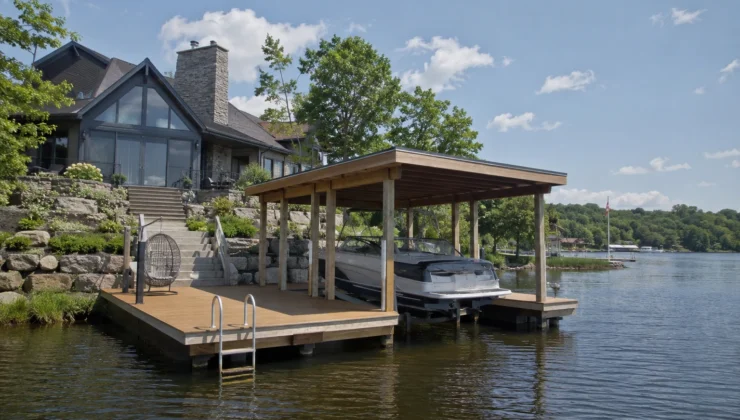
A well-designed dock turns a waterfront property into a more practical and enjoyable place to live. It gives owners a safer way to access the water, board a boat, store equipment, fish, relax, and connect the home with the shoreline. When boat storage is part of the plan, a boat slip can make the space even more functional.
Property owners who want a durable dock should start with an experienced marine construction company that understands water levels, vessel size, pile support, decking materials, anchoring, and the conditions around lakes, rivers, canals, and coastal areas.
Dock and boat slip construction is not only about building a platform. The structure must be stable, comfortable, and suited to the water body. A dock used for a small kayak does not need the same layout as a dock for a larger boat. A quiet lakefront dock may not require the same anchoring as a coastal or riverfront structure.
For homeowners in Greater Houston, Katy, Baytown, lake communities, and other Texas waterfront areas, dock planning should also consider storms, changing water levels, wind exposure, soil conditions, and how the family will use the space every week.
How a Dock Improves Waterfront Use
A dock creates a direct connection between the land and water. Without a stable access structure, owners may need to step through mud, uneven ground, riprap, or a steep bank. That can be inconvenient and unsafe, especially when carrying gear, helping children, or boarding a vessel.
A properly planned dock improves movement and organization. It can provide space for mooring, seating, fishing, loading, cleaning, and storage. When designed with the right width, surface, railings, cleats, ladders, and lighting, the dock becomes an everyday waterfront feature instead of a temporary add-on.
Boat slips add another layer of function. They provide a dedicated area for a vessel and can be designed around the size, draft, and use pattern of the boat. This helps reduce daily handling problems and creates a cleaner layout along the shoreline.
- Safer water access – a stable platform makes it easier to reach boats, water equipment, and the shoreline.
- Better vessel organization – a boat slip gives the owner a defined space for docking and storage.
- More usable outdoor space – a dock can support fishing, relaxing, loading, and family waterfront activities.
- Improved shoreline planning – the dock can be integrated with bulkheads, walkways, piers, and other structures.
Floating Docks and Fixed Docks
One of the first decisions is whether the project needs a floating dock, a fixed dock, or a combined system. The answer depends on water level movement, bottom conditions, vessel type, exposure, and how permanent the structure should be.
Floating Docks
A floating dock rises and falls with the water. This can be useful for lakes or other water bodies where levels change during the year. Floating docks often use flotation elements, guide piles, anchoring systems, and framed decking to keep the platform stable while allowing vertical movement.
Fixed Docks
A fixed dock is supported by piles or other structural elements installed into the bottom. It can be a strong choice where water levels are more stable or where the owner wants a permanent structure with a firm walking surface. Fixed docks must be designed for the expected load and water conditions.
Hybrid Layouts
Some properties benefit from a combination of fixed and floating sections. For example, a fixed walkway from shore may connect to a floating platform that adjusts with the water level. This type of layout can solve access problems on sites where the shoreline and vessel area behave differently.
- Identify the vessel needs – boat length, width, draft, storage needs, and boarding height should guide the layout.
- Review water level behavior – stable water and fluctuating water usually require different dock systems.
- Check bottom conditions – sand, clay, silt, or rock can affect pile installation and support design.
- Select materials – wood, composite, aluminum, and other components should match the environment and maintenance expectations.
- Plan accessories – ladders, bumpers, cleats, lighting, and boat lifts should be included early, not added randomly later.
Materials for Dock and Boat Slip Construction
Dock material selection affects appearance, maintenance, comfort, durability, and cost. The surface must handle moisture, sun exposure, foot traffic, and the way the dock will be used. The frame and supports must be strong enough for the loads placed on them.
Wood remains a common choice because it creates a classic waterfront appearance. It can work well for private docks when the right treated materials and fasteners are used. Wood does require maintenance, and the owner should understand that before choosing it.
Composite decking is often selected when low maintenance is important. It can provide a clean walking surface and resist common moisture-related problems better than traditional untreated lumber. Composite materials should still be installed over a properly designed structure.
Aluminum frames and components can be useful where corrosion resistance and lighter weight are priorities. Aluminum is often considered for floating systems, modular docks, and waterfront environments where maintenance access may be limited.
- Wood decking – creates a natural look and can be practical for many private residential docks.
- Composite decking – offers a low-maintenance surface for owners who want durability without regular staining or painting.
- Aluminum framing – provides a lightweight structural option that can work well in selected dock systems.
- Polystyrene flotation – can be used in floating dock systems to help support the platform as water levels change.
Dock Planning for Texas Properties
Texas waterfront properties can include lakes, rivers, bayous, canals, and coastal areas. Each type of water body creates different design questions. A lake dock may need to account for seasonal changes. A river dock may need stronger attachment because of current. A coastal dock may need added consideration for storms and wind exposure.
In the Houston area, access conditions can also vary. Some properties have open yards where equipment can reach the shoreline. Others have narrow side access, existing landscaping, fences, trees, or steep banks. These details affect construction planning and should be reviewed before materials arrive.
Dock height is another important point. The walking surface should be comfortable for the way the property is used. If the dock is too high, boarding a small boat may be awkward. If it is too low, waves or changing water levels may create problems. The final elevation should be chosen with real site conditions in mind.
A boat slip must also be planned around maneuvering space. The owner should consider how the boat enters, exits, and sits in the slip during normal use. Cleat locations, bumpers, guides, and optional lifts all affect convenience.
Repair, Replacement, and New Construction
Not every dock project starts from empty shoreline. Many owners already have an old dock that needs repair, reinforcement, or replacement. The decision depends on the condition of the piles, beams, decking, fasteners, flotation, and connection points.
If only the deck boards are damaged, repair may be practical. If piles are rotted, leaning, cracked, or loose, deeper structural work may be needed. If the layout no longer fits the vessel or the water conditions, full replacement may be the better long-term choice.
Boat slips may also require updates. A larger vessel, a new lift, or a changed shoreline grade can make an older slip less useful. Reworking the slip during dock construction is usually more efficient than treating it as a separate project later.
A dock should feel stable underfoot, fit the way the owner uses the water, and connect naturally with the rest of the property. Careful planning helps create a structure that is useful on ordinary days and better prepared for demanding waterfront conditions.