How Texas Fans and Bands Share Costs
Keeping Live Music Alive: How Fans and Bands Share Costs for Gigs, Tours, and Recordings in Texas's Scene
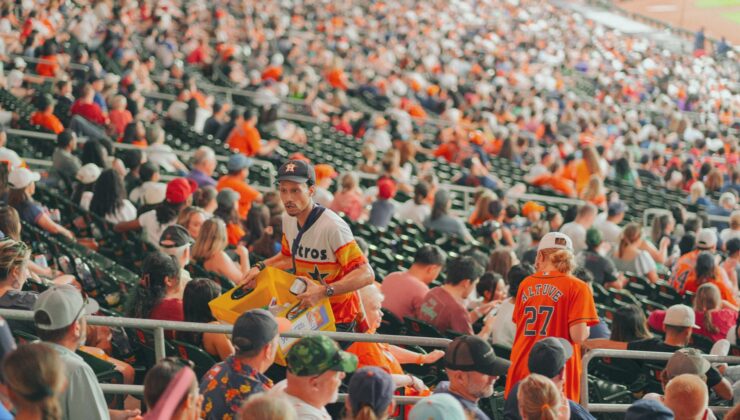
On a familiar Texas show night, the room feels packed – good energy, loud singalongs, a real community moment – and the band still walks away with a small payout once the night is settled. That's not a contradiction. It's the modern math. Attendance and cultural interest can run high while margins stay thin, thanks to travel, lodging, labor, and the quiet friction of processing and platform fees eating into every transaction.
Strong Demand, Thinner Margins Than It Looks
Texas's independent live entertainment scene isn't a niche hobby – it drove $5.9 billion in economic output and $3.1 billion in state GDP in 2024 alone, supporting nearly 42,000 jobs and $1.7 billion in wages. Austin's Red River Cultural District alone generated $2.3 billion over five years and supported more than 13,000 full-time jobs. This is a real industry, not a side project.coinbase+1
And yet, 64% of the nation's independent venues weren't even profitable in 2024. That gap between cultural weight and financial fragility is the actual story here – fans aren't the problem, and neither are bands overcharging. The real issue is opacity. When nobody sees the full cost stack, everyone guesses, and the guesses are usually wrong.
The same is true when people try to buy Bitcoin with debit card instantly: the headline promise is speed, but the actual experience depends on the exchange, the payment method, and the current account rules around verification, limits, and availability
What It Actually Costs to Play a Show
A "paid show" can still lose money once every real expense gets counted – guarantee or door share plus merch net, minus travel, lodging, food, crew, gear, and fees. Each term hides more than it shows on paper. A guarantee is the promised payout; a door share depends entirely on how many people actually walk in and what the deal terms say. Merch net is whatever survives after card-processing fees and venue policies take their cut.
Newer bands tend to budget for the obvious costs – fuel, hotels – and then get blindsided by the ones nobody warns them about: parking and toll fees, replacement strings and drumheads, emergency tire repairs, load-in meals, and the downtime days where nobody earns but everyone still spends. These "silent costs" are usually what flips a tour from fine to genuinely underwater.
Recording adds its own hidden layers too. Studio time is only part of the bill – mixing, mastering, artwork, and basic promo assets all need budgeting upfront, or a project gets recorded and then quietly stalls, unreleased, because nobody planned for the finish line.
Why the Ticket Price Isn't What the Band Actually Sees
This is the part that causes the most confusion between fans and bands: a fan's checkout total can run well above face value, but that increase rarely reaches the band's payout. Service and processing fees can account for roughly 25% to 30% of a ticket's final price, and in some cases hidden fees make up over a quarter of what fans pay on secondary platforms. The gross is what the audience pays. The net is what's left after fees, withholding, and deal terms – and that distinction alone resolves a lot of unnecessary tension around who's "getting rich" off a show.
Merch tends to be where the real margin lives for touring bands, but venue policies shape that heavily too – some venues take a cut of merch sales or restrict payment handling, which is exactly why bands price carefully and think through their merch mix rather than tossing a box in the van and hoping.
How Fans Can Actually Help Without Overspending
Not all support carries equal weight. Buying a shirt, hat, or vinyl someone will genuinely use tends to put more real dollars in a band's pocket than almost anything else, because merch sidesteps a lot of the fee structure that eats into ticket revenue. Showing up early, bringing one friend, and buying tickets ahead of time all matter more than people realize – attendance itself is leverage, especially under door-based deals where a slow night hurts the band directly.
None of this requires guilt or grand gestures. A simple monthly "music fund" – a planned amount for shows, merch, and a buffer for the inevitable extras at the door – keeps support consistent instead of the common pattern of splurging one weekend and skipping the next three shows out of financial whiplash.
How Bands Protect Their Margins on the Road
Routing discipline protects profit more reliably than squeezing a few extra dollars at settlement. Dead miles burn fuel and time; dead days burn morale and lodging costs with nothing coming in to offset them. Booking consecutive markets, confirming load-in logistics early rather than day-of, and deciding the lodging plan before the run even starts all reduce the silent costs that erode a tour's margin one small charge at a time.
Knowing the break-even point – fixed tour costs plus variable show costs – even as a rough range rather than an exact number, changes how a band evaluates which dates to accept and which markets are actually worth the drive. Merch, treated as real inventory rather than an afterthought, closes the loop: planning size curves off actual sales history instead of guesses is often the difference between a tour that breaks even and one that quietly bleeds cash the whole way through.
Keeping Recordings Financially Sustainable
Scope control matters more than most new artists expect. A full-length album is powerful but slow to recoup and higher risk, while smaller releases – singles or EPs – keep momentum going, reduce upfront costs, and create more frequent touchpoints with listeners between bigger releases. That's an operational call, not a creative compromise.
When fans want to help fund a recording directly, transparency is what makes it work – clear deliverables, realistic timelines, and honest communication if something shifts. Pre-orders and limited runs succeed when backers know exactly what they're getting and when. They fail, and trust erodes fast, when the promise stays vague.
The Texas live music scene runs on genuinely strong demand – billions in economic output, packed rooms, real cultural weight – but that demand alone doesn't guarantee anyone gets paid fairly. What keeps the scene sustainable is visibility on both sides: fans spending intentionally instead of passively, and bands running their tours and merch tables like an actual operation instead of hoping it works out. Predictable, transparent economics are what let a scene this vibrant keep going instead of quietly hollowing out from the inside.