7oh vs. Kratom: A Complete Comparison Guide
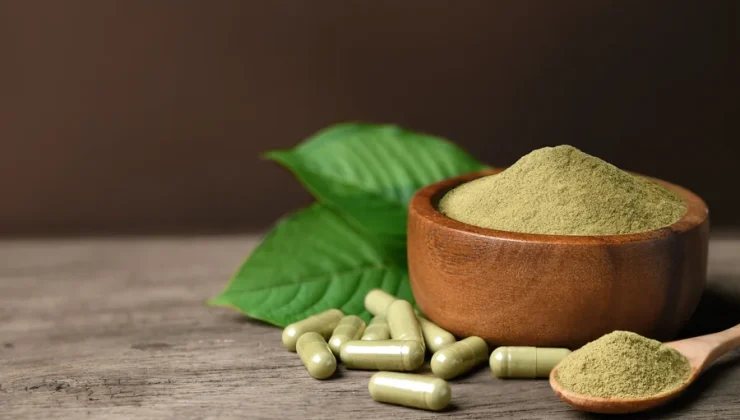
This guide breaks down exactly how traditional kratom compares to newer 7oh extracts. Next, we will cover their distinct chemical profiles, compare their overall potency and convenience, and explore the typical use cases for each.
What is Traditional Kratom?
Kratom comes from the leaves of the Mitragyna speciosa tree, an evergreen native to Southeast Asia. For centuries, people in countries like Thailand, Malaysia, and Indonesia have chewed these leaves or brewed them into tea to support their daily routines.
Raw kratom powder contains over 40 distinct naturally occurring alkaloids. The most abundant of these is Mitragynine, which makes up the vast majority of the plant’s active profile. Because raw kratom contains the entire leaf material, it provides what is known as a “full-spectrum” experience https://getbars.co/ . All the alkaloids work together in synergy, a phenomenon often referred to as the entourage effect.
Typically, you will find raw kratom sold as loose powder, packed into gelatin capsules, or brewed into commercial teas. The effects are generally balanced, with a gradual onset that varies depending on the strain color (red, green, or white vein) and the region where the leaves were harvested.
What is 7oh?
The term “7oh” is shorthand for 7-hydroxymitragynine. This is one of the many naturally occurring alkaloids found inside the kratom leaf. However, in raw kratom powder, 7-hydroxymitragynine exists in only trace amounts—usually making up less than 2% of the total alkaloid content.
Recent advancements in extraction technology have allowed manufacturers to isolate and concentrate this specific alkaloid. Instead of consuming the entire leaf to get a tiny amount of 7oh, you can now purchase products formulated specifically to deliver concentrated doses of it.
Because 7oh products remove the raw plant matter and isolate the active compounds, they look very different from traditional kratom. You will most commonly find 7oh sold as pressed tablets, concentrated liquid shots, or flavored gummies.
Key Differences Between 7oh and Kratom
While both options originate from the Mitragyna speciosa tree, the way they are processed creates distinct differences in how you use them and how they perform. Here is how they compare across the most important categories.
Potency and User Experience
The most significant difference between 7oh and traditional kratom is potency.
Because raw kratom relies on a broad mix of alkaloids, the experience is generally milder and more rounded. The effects take longer to set in because your digestive system has to break down the fibrous plant material to access the active compounds.
In contrast, 7oh is a highly concentrated isolate. By weight, 7-hydroxymitragynine is significantly more potent than the primary alkaloid, Mitragynine. 7oh products deliver a highly targeted, refined experience. Because there is no raw plant fiber to digest, the onset of effects is typically much faster, and the impact is more pronounced. Users generally report that 7oh provides a cleaner experience, completely free from the heavy, sometimes sluggish feeling that consuming large amounts of raw powder can cause.
Product Forms and Convenience
Traditional kratom can be incredibly inconvenient. The raw powder is notoriously messy and has an intensely bitter, earthy taste that many people find unpleasant. Popular methods of consumption—like the “toss and wash” method or brewing muddy teas—require preparation, measuring spoons, and a tolerance for the taste.
7oh products excel in convenience. A blister pack of 7oh tablets or a small liquid shot fits easily into a pocket or bag. There is no loose powder to spill, no measuring required, and no bitter plant matter to swallow. For users who travel frequently or need a discreet option during a busy workday, 7oh offers a massive advantage in sheer usability.
Cost Considerations
Budget plays a major role in choosing between these two options.
Historically, raw kratom powder is the most cost-effective way to consume Mitragyna speciosa. Buying bulk bags of powder keeps the price-per-gram incredibly low. For users on a strict budget who do not mind the taste or preparation, raw powder remains highly economical.
On the surface, 7oh products carry a higher upfront price tag per package due to the complex extraction and manufacturing processes required to isolate the alkaloids. However, because 7oh is so potent, a single tablet or shot often provides the equivalent experience of multiple servings of traditional powder. When you calculate the cost-per-effective-serving, 7oh can be surprisingly efficient for experienced users.
Typical Use Cases: Which is Right for You?
Choosing between 7oh and raw kratom comes down to your personal lifestyle, tolerance, and what you want out of the product.
You might prefer traditional kratom if:
- You enjoy a broad-spectrum botanical experience.
- You have a lower tolerance for alkaloid products.
- You prefer the ritual of brewing teas or mixing powders.
- You want the absolute lowest price-per-gram available.
You might prefer 7oh if:
- You want a highly potent, targeted experience.
- You strongly dislike the taste and texture of raw plant matter.
- You need a convenient, pre-measured product you can take on the go.
- You have a higher tolerance and find that raw powder no longer meets your needs.
Ready to Make The Switch?
Both 7oh and traditional kratom offer unique benefits for botanical enthusiasts. Raw kratom provides a time-tested, full-spectrum experience that is highly budget-friendly, while 7oh delivers a modern, isolated approach that prioritizes fast-acting potency and ultimate convenience.
If you decide to explore 7oh, start with a fraction of a tablet or a small sip of a shot to understand how your body responds to the increased potency. Always purchase your botanical products from reputable brands that provide clear, third-party lab testing to ensure you get exactly what you pay for.