How Lifeline Program Is Expanding Access to Zero-Cost Smartphones and Tablets
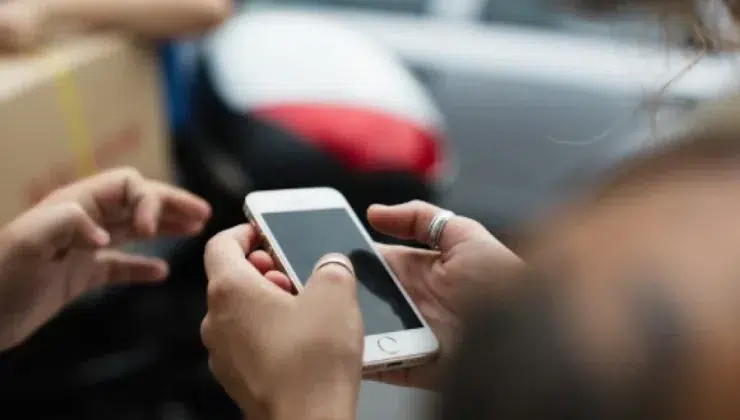
Access to mobile technology has become increasingly important in today’s connected society. Smartphones and tablets are now essential tools that allow people to communicate, access services, and participate in the digital economy.
However, the cost of both mobile devices and wireless plans continues to rise, making it difficult for many low-income households to stay connected. To help address this issue, federal telecommunications assistance programs such as Lifeline are working with wireless providers to expand access to affordable mobile services and digital devices.
Through these initiatives, millions of Americans are gaining new opportunities to stay connected to essential resources.
The Growing Importance of Mobile Connectivity
Mobile connectivity has become deeply integrated into everyday life. Smartphones now serve as the primary gateway for communication, access to information, and the use of digital services for millions of people across the United States.
In recent years, the importance of mobile access has continued to grow. Healthcare providers have begun offering telehealth appointments; schools have expanded online learning systems, and employers increasingly rely on online job applications and virtual interviews.
As a result, owning a smartphone is no longer simply a matter of convenience. It often determines whether individuals can fully participate in modern society.
However, despite the growing reliance on mobile technology, many Americans still struggle to afford both a capable smartphone and a reliable wireless service plan.
For low-income households, maintaining consistent connectivity can represent a significant financial challenge. This reality has drawn increasing attention to programs designed to help bridge the digital access gap.
Lifeline Program Helping Close the Digital Gap
One of the most important programs addressing this issue is the Lifeline program, a telecommunications assistance initiative supported by the Federal Communications Commission (FCC)
Lifeline was created to help ensure that low-income households can maintain access to essential communication services. The program works by providing discounts on wireless or broadband services through participating providers.
In detail, eligible households can receive a monthly discount of up to $9.25 on their wireless or broadband service bill, with enhanced benefits of up to $34.25 per month available to those living on qualifying Tribal lands
The core goals of Lifeline include:
- Supporting low-income households
- Reducing the cost of wireless services
- Improving access to reliable internet connectivity
In recent years, the program’s role has expanded beyond simply reducing service costs. Many initiatives now also help individuals access the devices needed to fully benefit from mobile connectivity.
Expanding Access to Affordable Smartphones
Smartphones have become one of the most important digital devices today. However, the cost of modern smartphones continues to rise.
Many popular devices, whether premium iPhones or advanced Android models, can cost hundreds of dollars.
For households facing financial challenges, purchasing a new smartphone while maintaining an existing wireless service plan can be difficult. In some cases, families must choose between owning a device or keeping their current service plan.
To help address this challenge, Lifeline service providers, such as AirTalk Wireless, are increasingly working with telecommunications assistance initiatives to improve device access for eligible users.
These efforts often include:
- Support for accessing free smartphones or tablets
- Affordable wireless service plans
- Expanded connectivity options
Some participating providers now help eligible users obtain devices like free smartphone government phone options.
By reducing both service costs and device barriers, these programs make mobile connectivity more accessible for households that may otherwise struggle to remain connected.
Providers Expanding Support Through Lifeline
Many wireless service providers participate in the Lifeline program across the United States. Through these partnerships, providers help expand affordable connectivity options for eligible households.
Many participating providers continue to strengthen their services by:
- Expanding network coverage
- Offering supported mobile devices, like a free smartphone or discounted tablet
- Increasing access to affordable wireless plans
Several wireless providers participate in the Lifeline program to help expand digital connectivity nationwide.
Among them, AirTalk Wireless is a provider that has been working with the Lifeline initiative for over 25 years to help eligible customers access affordable mobile services and supported devices.
Applying for Lifeline through AirTalk Wireless and users can receive many digital benefits like free 4G LTE/5G data, unlimited talk and text, free calls to 200+ international destinations, call waiting, 3-way calling, and more.
Beyond service plans, the provider has also built a reputation for its impressive device lineup: from iPhones and iPads to Samsung Galaxy smartphones and hardware from LG and TCL.
Tablets Are Becoming Increasingly Important for Education and Work
Although smartphones remain the most widely used mobile device, tablets are also becoming increasingly important in many areas of everyday life.
Tablets are particularly useful for tasks such as:
- Online learning
- Remote work
- Accessing digital documents
- Completing school assignments
Recognizing this need, some Lifeline-supported initiatives have expanded to include access to devices beyond smartphones.
In some cases, eligible households may also be able to access free tablet government options, depending on availability and promotions of each provider.
Final Words
Programs like Lifeline are helping bridge the digital divide by making mobile connectivity and devices more accessible to households, especially those who may struggle to afford them.
For eligible households, taking the time to explore Lifeline-supported providers may open the door to reliable mobile service and essential digital tools.
If staying connected is important for you or your family, now may be the time to learn more about available programs and discover how affordable connectivity could be within reach. Just choose a participating provider such as AirTalk Wireless, pick your device and plan, and submit proof of your eligibility to begin the application process.