How do Roofing Problems Influence the Health of Interior Spaces?
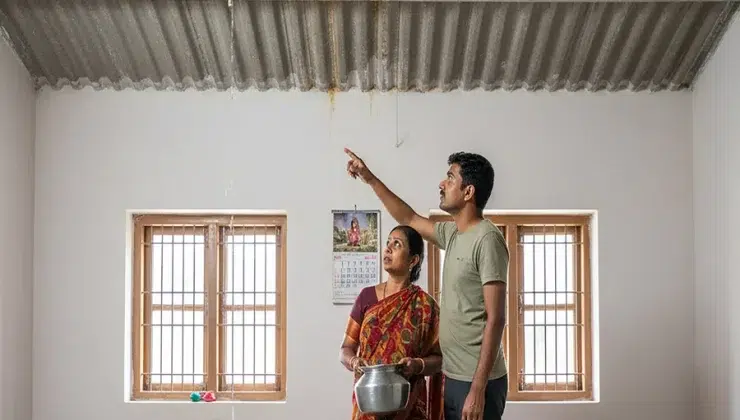
A building’s roof plays a quiet but critical role in protecting everything beneath it. While many people associate roofing problems with exterior damage or curb appeal concerns, the effects often reach much further inside. Small issues above can trigger noticeable changes within living and working spaces, affecting comfort, structural integrity, and indoor conditions over time. Water intrusion, temperature imbalance, and airflow disruption are just a few consequences that can develop when roofing systems begin to fail. Understanding how roofing problems translate into interior challenges helps property owners recognize early warning signs and respond before damage spreads deeper into the building.
Interior Consequences Explained
-
Hidden Water Intrusion and Ceiling Damage
One of the most direct ways roofing problems affect interior spaces is through hidden water intrusion. Even minor gaps, cracked shingles, or compromised flashing can allow moisture to enter slowly. Instead of dramatic leaks, water often seeps in gradually, soaking insulation and spreading across ceiling materials. Over time, this moisture weakens drywall, discolors it, and causes sagging or peeling finishes. Because the damage develops out of sight, homeowners may only notice the problem after stains appear or sections of the ceiling feel soft. Persistent moisture can also drip into wall cavities, spreading the impact beyond the original entry point. Interior repairs become more extensive when roofing issues remain unresolved, as moisture travels along framing and support structures. Addressing roof-related water intrusion early helps prevent widespread ceiling deterioration and preserves the interior surfaces that define a space’s appearance and safety.
-
Insulation Saturation and Temperature Imbalance
Roofing issues often degrade insulation performance, leading to uneven indoor temperatures. When water enters through damaged roofing materials, insulation can become compressed or saturated, reducing its ability to conduct heat. This creates hot and cold zones inside the building, making certain rooms uncomfortable regardless of thermostat settings. In colder seasons, heat escapes more readily through compromised roof areas, whereas in warmer months, outdoor heat can penetrate living spaces. Property owners in areas served by roofers in Vancouver frequently encounter this issue due to prolonged exposure to rain and moisture that slowly degrades roofing layers and insulation together. As insulation loses effectiveness, heating and cooling systems work harder to maintain indoor comfort, indirectly increasing energy consumption. Restoring proper roof protection helps the insulation perform as intended, supporting consistent interior temperatures and reducing unnecessary strain on HVAC systems.
-
Structural Moisture Effects on Framing
Beyond visible surfaces, roofing problems can affect the structural framework supporting interior spaces. Moisture that enters through the roof often reaches wooden framing, beams, and joists, where it may remain unnoticed for extended periods. Continuous exposure to damp conditions weakens wood fibers, leading to warping or gradual decay. As structural elements lose strength, floors may feel uneven, doors may shift out of alignment, and cracks can appear along walls or ceilings. These changes are sometimes mistaken for normal settling, delaying proper diagnosis. Over time, compromised framing reduces the building’s ability to distribute weight evenly, creating safety concerns inside the structure. Roofing maintenance plays an important role in preserving interior stability by preventing moisture from reaching critical support systems that hold interior spaces together.
-
Indoor Air Quality and Mold Development
Moisture entering through roofing problems can significantly influence indoor air quality. Damp insulation, ceiling cavities, and wall spaces create conditions that allow mold and mildew to grow. Once established, mold releases airborne particles that circulate through interior spaces, potentially affecting respiratory comfort and overall air freshness. Because mold often grows behind walls or above ceilings, occupants may notice musty odors or experience discomfort without seeing visible growth. Roofing issues that allow repeated moisture intrusion make it difficult to eliminate these indoor air quality concerns fully. Improving roof integrity reduces moisture sources, limiting conditions that allow mold to spread. Cleaner air supports healthier indoor environments and helps maintain a more pleasant atmosphere throughout the building.
-
The Overlooked Impact on Interior Finishes
Interior finishes such as paint, flooring, and trim are often the first visible indicators of roofing problems. Moisture migrating downward can cause paint to bubble, crack, or peel, while wood flooring may swell or separate at seams. Carpet padding can absorb moisture, leading to lingering odors and material breakdown. Even decorative features like crown molding or baseboards may loosen as humidity levels fluctuate. These cosmetic issues can quickly escalate into functional problems if moisture continues to spread. While interior repairs may temporarily address surface damage, underlying roofing issues often lead to recurring issues. Protecting the roof helps preserve interior finishes and reduces the frequency of repairs required to maintain a clean, functional indoor environment.
-
Short-Term Signs of Roofing Influence
Not all roofing-related interior issues develop slowly. Some signs appear soon after roofing materials deteriorate. Sudden drafts, unexplained temperature changes, or new water stains after storms often indicate roof vulnerabilities. In these cases, internal discomfort serves as an early warning system rather than a long-term consequence. Addressing roofing concerns promptly helps prevent damage from spreading into deeper layers of the structure. Recognizing these early interior signals allows property owners to act before minor roofing issues escalate into costly interior disruptions.
Roofing problems extend far beyond the exterior surface of a building, shaping the condition and comfort of interior spaces in significant ways. From moisture damage and insulation failure to air quality concerns and structural strain, the roof serves as a critical barrier protecting everything inside. Interior symptoms often reflect issues developing above, making awareness essential for early intervention. By understanding how roofing conditions influence ceilings, walls, air quality, and finishes, property owners can respond proactively. Maintaining roof integrity supports healthier, more stable interior environments and helps prevent minor concerns from growing into extensive interior damage over time.