Is teeth gap filling painful?
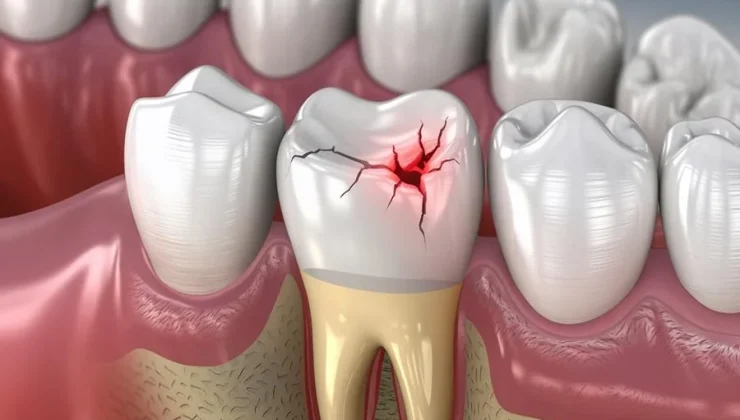
Do you have gaps between your teeth? That is medically known as diastema. It is a very common dental concern which affects a lot of people. This can be solved by
teeth gap filling. It is a dental procedure which works by correcting these gaps for aesthetic and functional purposes. But one common concern people have is whether filling the tooth gap is painful.
What is a teeth gap filling?
This is a dental treatment which aims to close gaps or spaces between teeth. Various methods are available for the same. The two most common and popular treatments are: Clear Aligners and Metal Braces. Each method differs in the costings, treatment duration, approach, and severity of the case.
Methods for teeth gap filling and associated pain levels:
- Clear Aligners (e.g.: Illusion Aligners)
- They are transparent plastic trays. They are made according to your teeth, which can be removed when eating or brushing. This is the level of convenience and comfort it provides.
- Pain level: Little pressure or discomfort can be felt when there is a switch from one tray to another. They are less painful and irritating than metal braces.
- Metal Braces:
- Metal brackets and wires are attached to your teeth. This puts pressure on your teeth to move them into a position which reduces gaps.
- Pain level: Mild discomfort or soreness is very commonly experienced after fitting or adjustments. This pain subsides in a few days.
- Dental filling:
- A tooth-colored material is applied and then prepared to fill the gaps and make the smile appear natural.
- Pain level: Minimal to no pain is experienced. Local anesthesia is rarely required for such procedures unless shaping of the tooth is required.
- Dental Veneers:
- Veneers are ultra-thin shell-like structures which are placed on the front surface of the tooth. This not only closes gaps but also improves how your smile looks.
- Pain level: It is painless and often performed under local anesthesia for the patient’s comfort.
- Dental Crowns & Bridges
- Custom-made dental crowns fit over existing teeth to reduce the gaps and reshape the teeth.
- Pain level: This involves minimal pain. The discomfort felt is managed by local anesthesia.
- Dental Implants
- When the gap between teeth is created by missing teeth, then a dental implant is considered the best solution. It fills in the space created by a missing tooth with a natural and long-lasting solution.
- Pain level: Dental implant is a surgical procedure which requires expertise. It is performed under local anesthesia. The after-treatment discomfort and pain are managed by the dentist with medications and other methods.
Tips to minimise discomfort after teeth gap filling
- Follow your dentist’s after-care instructions to minimise discomfort and It may be about medications, rinsing, or restriction of certain food temporarily
- Chew on soft food. This will reduce pressure and sensitivity.
- Brushing and flossing regularly in the correct manner will maintain good oral health and also your smile.
- Make sure to avoid too hot or too cold food. This will improve the longevity of your treatment.
Benefits of teeth gap filling:
- Improved appearance: Improves how your smile looks.
- Good oral hygiene: When the gaps reduce, there is less to no tartar buildup. This improves oral hygiene.
- Better function: This improves bite, chewing ability, and speech as well.
Let’s fill in the gaps
There are a few factors your dentist or orthodontist might consider before deciding. As you can see, tooth gaps are very common. There are a number of options to solve your problems, as discussed. Be open to discussing your smile goals and expectations with your dentist.
We have advanced in the 21st century with dentistry and we understand dental anxiety. Many places offer pain-free dentistry. In case clear aligners are the chosen treatment option for you, then do your research well and read google reviews. Choose the brand that delivers good every time.
To discuss treatment options for tooth gap filling, visit a dentist. They will guide you through the entire treatment journey and also the treatment best suited for your needs.
FAQs
- How long does tooth gap filling last?
- This depends on the method of tooth gap filling you choose. Dental filling can last up to 5-10 years. Veneers last 10-15 years while clear aligners and metal braces offer permanent solutions.
- Can teeth gaps come back after filling?
- Yes, gaps may return if certain guidelines by the dentist are not followed. Or the underlying issues like tongue thrusting or gum diseases are not addressed. Regular dental checkups are necessary.
- Should we fill the gaps if it is not painful?
- Filling a tooth gap is necessary to maintain good oral health and avoid future problems.
- Can gaps between teeth cause other issues?
- Yes, gaps cause plaque buildup which may cause other health-related issues like decay and gum issues.
- Which method of teeth gap filling is most comfortable?
- Clear aligners and dental veneers are often more comfortable and long-lasting methods.