Why Regular HVAC Filter Replacements Make a Big Difference
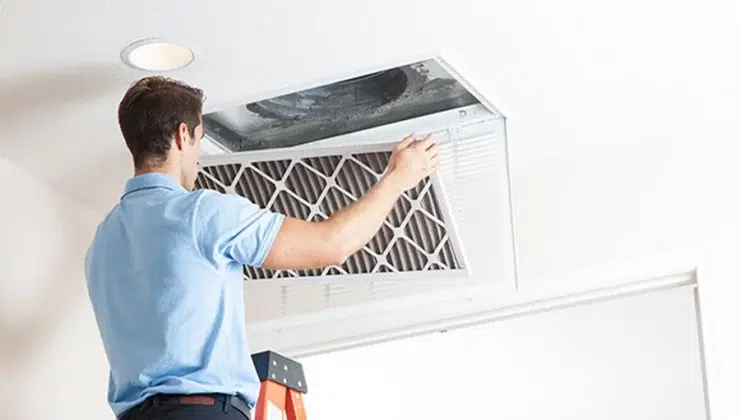
A comfortable indoor environment depends on many factors — one often-overlooked element is the cleanliness and performance of your HVAC (Heating, Ventilation, and Air Conditioning) system’s filter. Neglecting filter maintenance may seem harmless at first, but over time it can lead to reduced air quality, increased energy consumption, and even premature wear of system components. We will explore how regularly replacing HVAC filters can significantly impact air quality, system longevity, and overall comfort.
Impact of Regular Filter Replacement
-
Maintaining Healthy Indoor Air Quality
When the HVAC filter in homes or businesses in Port St. Lucie is clean and replaced regularly, it effectively captures dust, pollen, pet dander, mold spores, and other airborne particles circulating in indoor air. As time passes and the filter becomes clogged, its ability to trap these contaminants diminishes, allowing them to recirculate. For households with occupants who suffer from allergies, respiratory issues, or sensitivities to dust and pollutants, poor filtration can exacerbate symptoms such as sneezing, coughing, congested airways, and irritated eyes.
Moreover, even in households without known sensitivities, a clogged filter reduces pollutant removal efficiency, leading to a gradual accumulation of particulates on surfaces, fabrics, and ventilation outlets. Regular filter replacements restore filtration capacity, ensuring the system continues to trap unwanted particles and deliver cleaner, fresher air throughout the home or office. This directly contributes to a healthier living environment and greater overall comfort.
-
Enhancing System Efficiency and Lowering Energy Costs
An HVAC system pulls air through the filter, conditions it (heating or cooling), and circulates it. When the filter is clogged, airflow becomes restricted. The system must work harder to draw air in, increasing strain on components such as the blower motor and reducing the rate at which air is conditioned and distributed. As a result, the HVAC system consumes more power, runs longer cycles, and wastes energy. This inefficiency shows up on energy bills — often in the form of noticeable increases during heavy usage periods. By replacing the filter regularly, airflow remains unobstructed. The system can operate within its designed capacity, running fewer hours to achieve the desired temperature levels, resulting in energy savings. Over time, these savings can more than offset the cost of replacement filters, especially in climates or settings where HVAC systems operate frequently.
-
Reducing Wear and Tear, Extending Equipment Lifespan
Like any mechanical system, an HVAC installation is subject to stress, especially when components are pushed beyond intended workloads. When filters are blocked, components such as fans, blowers, and motors must operate under higher load, potentially overheating or experiencing constant overwork. This repeated stress can accelerate the deterioration of moving parts, diminish lubrication effectiveness, and even lead to system failures or breakdowns long before the end of the unit’s expected service life. Routine filter replacements ease this burden by restoring ideal airflow. The system operates normally, reducing strain on components and preventing overheating or overuse. Over months and years, this translates into fewer breakdowns, lower repair costs, and a longer service life, saving homeowners or building managers significant expense and inconvenience associated with early replacements or major repairs.
-
Improving Heating and Cooling Performance and Comfort
A clean filter helps ensure that heated or cooled air is distributed evenly across all rooms. When airflow is restricted, certain areas may receive less conditioned air, creating pressure imbalances, cold or hot spots, and inconsistent comfort. For instance, a clogged filter can cause the system to struggle to deliver adequate heating on a winter morning or sufficient cooling on a hot afternoon, prompting users to adjust the thermostat higher or lower than necessary. This not only wastes energy but also leads to discomfort. By changing filters regularly, airflow remains smooth and consistent. The system delivers a steady, even airflow distribution, ensuring every room reaches the target temperature reliably. Occupants experience steady comfort without frequent thermostat adjustments or uneven heating/cooling cycles.
-
Preventing Secondary Issues Such as Mold Growth and Poor Indoor Humidity Control
Air filters also help control airborne moisture-laden particles and prevent dust accumulation on internal components. When filters are clogged, moisture in conditioned air may condense on internal surfaces—coils, ducts, or vents—where dust and debris have accumulated. This environment is conducive to mold or mildew growth, posing health risks and causing unpleasant odors. In addition, restricted airflow may compromise the system’s ability to regulate humidity or dehumidify incoming air properly, leading to an indoor humidity imbalance and making the environment feel clammy or dry, depending on conditions. Regular filter replacement ensures airflow remains sufficient to remove moisture, reduce condensation risk, and support proper humidity control. This preventive measure helps maintain a clean ductwork environment, reduces the risk of microbial growth, and supports consistent indoor air quality year-round.
Regular replacement of HVAC filters yields advantages that affect air quality, energy efficiency, equipment lifespan, comfort, and indoor moisture control. By staying attentive to filter maintenance, you ensure the system performs as intended, prolong its life, and enjoy healthier, more comfortable living or working spaces. The small investment in replacement filters pays off with cleaner air, lower energy bills, and reduced repair risk.