How do HVAC Contractors Prepare Homes for Seasonal Transitions?
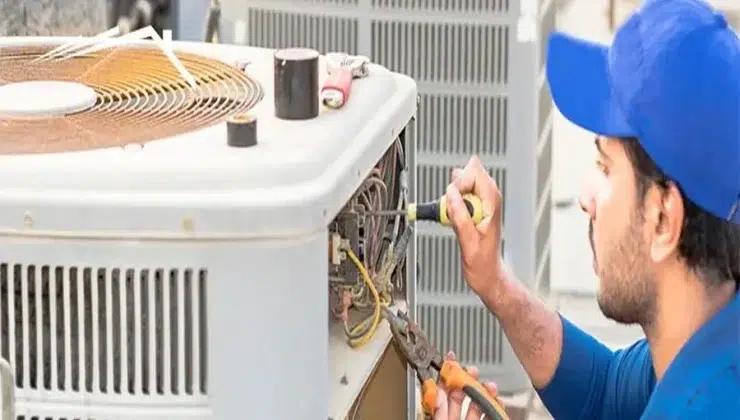
Seasonal changes place unique demands on heating and cooling systems, often revealing weaknesses that go unnoticed during milder weather. As temperatures shift, HVAC systems must adapt quickly to maintain indoor comfort, efficiency, and reliability. HVAC contractors play a key role in preparing homes for these transitions by assessing system readiness, making targeted adjustments, and addressing potential concerns before peak demand arrives. Their work focuses on prevention rather than reaction, helping homeowners avoid unexpected disruptions when conditions change. Understanding how contractors approach seasonal preparation highlights the importance of timing, system awareness, and routine care in keeping indoor environments comfortable year-round.
Seasonal Readiness Explained
-
Evaluating System Performance Before Weather Shifts
Before a new season begins, HVAC contractors evaluate how the system performed during the previous cycle. This review helps identify patterns, such as uneven heating, inconsistent cooling, or increased runtime, that may indicate developing issues. Contractors inspect key components, including motors, electrical connections, and airflow pathways, to verify they operate within expected ranges. Minor wear that may not cause immediate problems can become more serious under seasonal stress, making early detection important. During this stage, contractors also verify thermostat accuracy and responsiveness to ensure proper communication with the system. In colder months, this evaluation may reveal conditions that could later require Furnace repair service if left unaddressed. By resolving these concerns early, contractors help systems transition smoothly into higher-demand operation without unnecessary strain.
-
Adjusting Airflow and Comfort Settings
Seasonal preparation often involves fine-tuning airflow to match changing comfort needs. HVAC contractors examine how air is distributed throughout the home, identifying areas that may become too warm or too cool as outdoor temperatures change. Adjustments to dampers, vents, and fan speeds help create balanced airflow across all living spaces. Contractors also review return air placement to ensure proper circulation, which becomes especially important when homes are sealed more tightly during colder seasons. These airflow adjustments reduce temperature fluctuations and support consistent comfort without forcing the system to work harder than necessary. Proper airflow alignment ensures efficient delivery of heating or cooling output as seasonal demand increases.
-
Inspecting Heating and Cooling Components
A critical part of seasonal preparation involves inspecting the components specific to upcoming weather conditions. For colder seasons, contractors focus on heating elements, ignition systems, and safety controls. During warmer seasons, attention shifts to condensers, refrigerant levels, and the condition of the outdoor unit. This targeted inspection ensures that components most likely to be used heavily are ready for sustained operation. Contractors look for signs of wear, corrosion, or misalignment that could affect performance. Addressing these concerns before the season begins helps reduce the risk of breakdowns during extreme temperatures when systems are under continuous demand.
-
A Mid-Season Focus Point
Seasonal preparation is not limited to a single service visit. HVAC contractors often emphasize the importance of monitoring system behavior as the season progresses. Changes in noise levels, airflow strength, or temperature consistency can indicate new issues developing under load. This awareness allows homeowners to respond quickly rather than waiting for a complete system failure. Ongoing attention supports comfort and stability and helps prevent minor issues from escalating during peak usage periods.
-
Improving Energy Efficiency Through Preparation
Seasonal readiness also supports energy efficiency, which becomes more important as systems run for longer periods. HVAC contractors clean components such as coils and filters to reduce airflow resistance and improve heat transfer. They also ensure that system settings align with seasonal usage patterns, reducing unnecessary cycling. Efficient operation not only lowers energy consumption but also reduces component wear. By maintaining efficiency, contractors help homeowners manage utility costs while preserving system health throughout the season.
-
Supporting Long-Term System Reliability
Preparing for seasonal changes contributes to long-term system reliability by reducing cumulative stress. When systems are forced to compensate for unresolved issues, components wear out faster. HVAC contractors aim to minimize this stress through proactive care, allowing equipment to operate closer to intended design conditions. Over time, this approach supports consistent performance and extends the usable life of system components. Seasonal preparation becomes part of a broader strategy to maintain system stability year after year.
Seasonal changes challenge heating and cooling systems in ways that routine operation does not. HVAC contractors help homes adapt by evaluating system performance, adjusting airflow, inspecting key components, and improving efficiency before peak demand arrives. Their proactive approach reduces the likelihood of unexpected issues and helps maintain consistent comfort as temperatures change. By preparing systems ahead of seasonal transitions, contractors help homeowners avoid disruptions and maintain reliable operation throughout the year. This thoughtful preparation underscores the value of timing, routine maintenance, and informed system management in creating comfortable indoor environments across all seasons.