How Long Does Suboxone Stay Detectable in Urine Tests?
Suboxone is an opioid addiction treatment medication. It is a combination of two active substances, buprenorphine and naloxone, which together work to suppress withdrawal symptoms and cravings. Both patients and healthcare providers need to know how long Suboxone stays in the system, especially when it comes to drug tests.
This article looks at what can affect detection times and what that may mean for patients as they prepare for treatment. Understanding how long does Suboxone stay in urine is essential for anyone undergoing treatment or facing workplace or legal testing requirements. Let’s explore the key factors that determine detection windows.
What Is Suboxone?
Suboxone is a medication that is used to help those struggling with opioid use disorder. Buprenorphine is a partial opioid agonist that attaches to the same receptors opioids do to decrease withdrawal symptoms but stops short of providing a high. Naloxone, in contrast, is an opioid antagonist that discourages misuse by precipitating withdrawal if the drug is injected.
Detection Time in Urine Tests
Factors influence Suboxone detection in urine. Buprenorphine is detectable in urine and usually lasts for 7-10 days after the last dose. But this range is not absolute and will vary from person to person, depending on factors such as metabolism, dosage, and frequency of use.
Factors Affecting Detection
The Rate of Metabolism: People who metabolize at a faster rate will process compounds faster. That means the substance may not be detectable as long as in those with a slower metabolism.
Frequency and Dosage: Dosage and frequency of use directly influence the length of the detection period. For people who take Suboxone regularly, the drug can be detected in their urine for a longer time.
Body Composition: The percentage of body fat and total body mass can affect the duration of Suboxone in the system. Individuals with more body fat may also have residual levels of the drug longer.
Hydration: Being well-hydrated can affect drug concentrations in urine. Drinking more water will not significantly change the detection times.
Age and Health: Elderly people or those who have their liver function lower than ideal will have the drug remain in the body longer.
Importance of Detection Times
Understanding detection times is beneficial for individuals undergoing treatment for multiple reasons. As an aid in planning treatment schedules to promote adherence to prescribed treatment regimens. Additionally, this allows the healthcare providers to monitor the response and efficiency of the treatment and change the settings if needed. According to the Substance Abuse and Mental Health Services Administration, understanding medication-assisted treatment protocols, including detection windows, helps ensure proper monitoring and patient compliance throughout the recovery process.
Testing for Suboxone
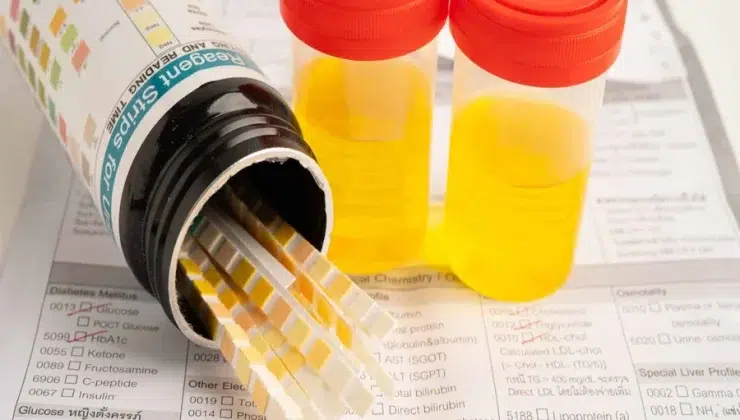
One of the most common ways to detect Suboxone is through urine tests. These tests use the buprenorphine test (naloxone is not usually tested). Because buprenorphine isn’t included in common drug tests, special testing is usually needed.
Implications for Patients
You must let your patients know that even though Suboxone is a drug used legally to treat their addiction, if they get a positive result on a drug test, this would affect their situation in some way. For example, some people will have to tell potential employers or legal entities about their prescription to prevent any confusion.
Managing Suboxone Treatment
Use Suboxone treatment only in conjunction with a doctor; using another drug, such as a supplement, will diminish all of its effects. Patients need to follow their prescribed dosages and schedules and should report any concerns or side effects. This is monitored with urine tests, and it is important to ensure that the treatment is on track.
Conclusion
Suboxone is the most important form of treatment that helps people on their way to a better life from the addiction of opioids. Understanding the duration of the substance’s detection in urine tests is crucial for managing this aspect of treatment. Focusing on things such as metabolism, dosage, and body composition provides an overview of what to expect. Improper treatment of these conditions can result from a lack of knowledge, so talk to your doctor and be aware of how long it takes to detect the substance so you have a clearer idea of how your treatment should go.