How To Prepare Your Home For an AC Repair Appointment
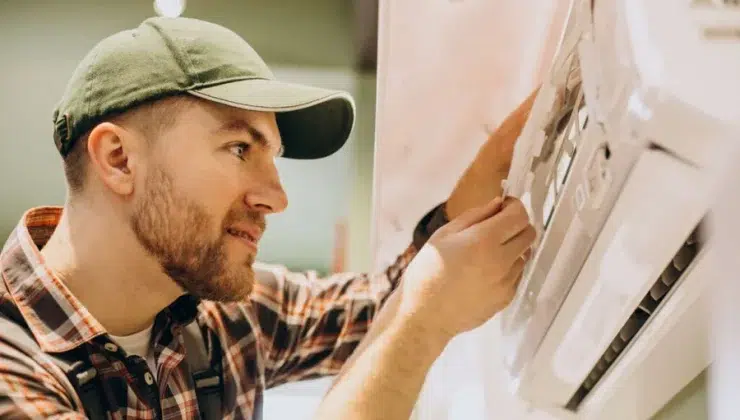
A properly functioning air conditioning system keeps your home comfortable and energy-efficient, especially during warmer months. However, when your system begins to show signs of trouble, scheduling a repair becomes essential. While most homeowners focus on the repair itself, preparing your home before the technician arrives can make a significant difference. From ensuring clear access to the unit to protecting your belongings, a little preparation can streamline the entire process. We will explore how to get your home ready for an AC repair appointment so the technician can work efficiently and your comfort can be restored quickly.
Steps to Get Your Home Ready for an AC Repair Appointment
-
Clear Access to the Indoor and Outdoor Units
Before the technician arrives, one of the most important steps is to provide easy access to both your indoor and outdoor AC units. Many homeowners overlook how cluttered areas can slow down repair work. Indoors, make sure that furniture, boxes, or decorative items are moved away from the air handler or any indoor components. Outdoors, trim any plants, branches, or debris surrounding the condenser unit. Providing a clear workspace allows the technician to inspect and repair the system without unnecessary obstacles. It also minimizes potential damage to your home décor or landscaping. By ensuring these areas are clear, you create an environment that supports safe, quick, and effective service, helping the technician identify and address the problem with ease.
-
Secure Pets and Ensure Safety
Pets are part of the family, but they can become curious or anxious when unfamiliar people and tools enter your home. Before the technician arrives, it’s wise to secure your pets in a separate room or area where they feel comfortable. This helps prevent any distractions or safety issues during the repair. A calm, pet-free environment enables the technician to focus entirely on diagnosing and fixing your system. Additionally, if you have small children at home, make sure they are kept at a safe distance from the workspace. Informing everyone in your household about the visit and keeping the area clear reduces the risk of accidents. Taking these simple precautions ensures both your family’s safety and the technician’s ability to work efficiently without interruptions or hazards.
-
Check the Thermostat and Note Any Issues
Before your appointment, spend a few minutes observing your system’s recent performance. Take note of any unusual sounds, inconsistent temperatures, or airflow problems. Check your thermostat settings to ensure they are accurate and that the device is functioning correctly. Write down any error messages or temperature fluctuations you’ve noticed. This information is extremely valuable to the technician because it provides clues that can help pinpoint the issue more quickly. It’s also helpful to recall when the problem first started and whether it occurs continuously or intermittently. The more details you can provide, the smoother the diagnostic process will be. This proactive approach allows you to contribute directly to resolving the issue, saving both time and potential costs by ensuring nothing is overlooked during the inspection.
-
Clean and Declutter the Work Area
A clean workspace helps the technician perform their job efficiently and safely. Take time to dust around vents, registers, and return air grilles. Remove any items that may obstruct airflow, such as curtains, rugs, or furniture near vents. In addition, declutter areas where tools and equipment may need to be placed. For homes with attic or basement units, ensure these spaces are well-lit and accessible. Keeping the environment clean not only shows courtesy but also allows the technician to focus solely on the repair without needing to move or clean around obstacles. If your AC unit is located in a utility closet, make sure that any stored items are moved aside. This step helps ensure that all components can be easily reached and examined, making the repair process smoother and faster.
-
Turn Off the System Before the Appointment
Before the technician arrives, it’s important to power down your AC system. Turning off the system at the thermostat and circuit breaker ensures safety for both you and the technician. It prevents electrical hazards or additional strain on components that may already be malfunctioning. While waiting, avoid tampering with wiring, opening panels, or attempting temporary fixes. Allowing the technician to handle the system from the start ensures accuracy and prevents accidental damage. Shutting down your system also gives the technician a clear starting point for diagnosing the issue, as they can safely reconnect and test it during the repair process. This precaution demonstrates preparedness and helps ensure a smooth, professional service experience from start to finish.
-
Prepare Questions and Relevant Documentation
Having your system information and questions ready before the technician arrives can save valuable time. Gather your warranty documents, past maintenance records, and any receipts from previous services. These materials give the technician a better understanding of your system’s history. If you’ve noticed recurring issues or inconsistent performance, write those down as well. When you’re prepared with specific details, the conversation with your technician becomes more productive. You can discuss maintenance habits, replacement parts, or future efficiency improvements. This also gives you an opportunity to learn more about how to care for your AC system properly after the repair. Preparing in advance makes you an informed homeowner who can make sound decisions regarding long-term system performance and energy management.
Preparing your home for an AC repair appointment ensures a faster, safer, and more effective service experience. From clearing access points and securing pets to gathering important documents and maintaining communication, every step contributes to smoother work and better results. When you take time to organize your space and share accurate details about your system’s performance, the technician can focus entirely on diagnosing and resolving the problem. By being proactive and attentive, you help protect your investment, minimize disruptions, and restore comfort to your home more efficiently. Preparation may seem small, but it sets the stage for a successful and stress-free AC repair experience.