DIY vs. Professional AC Repairs: What You Should Know
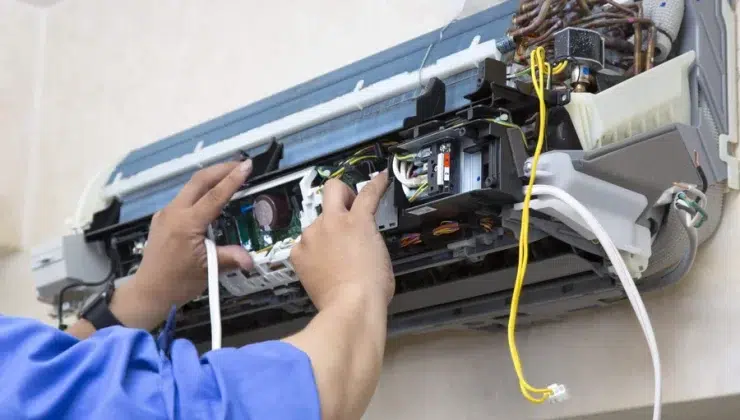
Air conditioning is essential for maintaining comfort in homes and workplaces, especially during the hottest months. When an AC unit malfunctions, homeowners must decide whether to attempt a do-it-yourself (DIY) repair or hire a professional service. Both approaches have advantages and drawbacks, and understanding them can help you make an informed choice. DIY repairs may seem cost-effective initially, but improper handling can lead to further damage or safety hazards. Professional services, on the other hand, offer trained personnel with the right tools, but usually at a higher upfront cost. We will explore key considerations that can guide your decision, including safety, cost, and long-term efficiency.
Making the Right Choice: DIY or Professional AC Repair
1. Safety Considerations
AC systems involve electrical components, refrigerants, and moving parts, all of which pose safety risks. Attempting a repair without proper knowledge or protective equipment can result in electrical shocks, chemical burns, or mechanical injuries. Even minor repairs, such as replacing a capacitor or clearing a drain line, require a solid understanding of AC mechanics. Professional air conditioning repair service providers are trained to handle these components safely, using industry-standard practices to prevent accidents. Additionally, refrigerants used in modern AC units are often hazardous and require certification to handle legally. Choosing a professional air conditioning repair service reduces the risk of personal injury and property damage, ensuring that the unit is restored safely and correctly.
2. Cost Implications
At first glance, DIY repair may seem more budget-friendly, especially for minor issues such as cleaning filters or unclogging condensate lines. However, DIY attempts can inadvertently cause additional damage, leading to more expensive repairs later. For example, incorrectly handling electrical wiring or overcharging the refrigerant can compromise the system’s efficiency or render it inoperable. Professionals charge for labor, but their experience often prevents costly mistakes. Moreover, professional services may offer warranties on parts and labor, providing homeowners with financial protection in the event of recurring issues. Balancing initial savings against potential long-term costs is critical when deciding between DIY and professional repair.
3. Skill and Knowledge Requirements
Repairing an AC unit successfully requires technical understanding and practical skills. Identifying the root cause of a malfunction can be complex, as symptoms may overlap across different issues such as compressor failure, thermostat malfunction, or duct leaks. Professionals possess diagnostic tools and knowledge to pinpoint problems efficiently. DIY repairs, limited by the homeowner’s expertise and available tools, may involve trial-and-error approaches that can be time-consuming and ineffective. Without proper understanding, even small fixes can fail, leaving the unit in poor condition and necessitating a professional call anyway. Ensuring the repair is done right the first time can save both time and frustration.
4. Time and Convenience
DIY repair can be attractive to homeowners who enjoy hands-on projects or wish to avoid scheduling delays. However, diagnosing and fixing AC issues without experience often consumes significantly more time than anticipated. Troubleshooting complex components can take hours or even days, especially if replacement parts are needed. Professional services streamline the process, as trained technicians arrive with necessary tools and parts, often completing repairs in a single visit. Choosing professional repair allows homeowners to maintain daily routines without interruption, ensuring that comfort is restored quickly and reliably.
5. Long-Term Performance and Efficiency
AC systems rely on precise engineering to maintain performance and energy efficiency. DIY repairs, if done incorrectly, can reduce airflow, decrease cooling efficiency, and increase energy consumption. Professionals ensure that repairs comply with manufacturer standards, optimizing system performance and extending the unit’s lifespan. Regular professional maintenance also helps detect emerging issues before they escalate, reducing the likelihood of emergency repairs. Homeowners who value long-term reliability and consistent performance may find that investing in professional repair provides peace of mind and better energy efficiency over time.
6. Access to Tools and Replacement Parts
Professional AC technicians have access to specialized tools and authentic replacement parts that are not typically available to homeowners. Certain repairs, such as compressor replacement or refrigerant recharge, require equipment that is both expensive and technically complex. Using incorrect tools or incompatible parts during DIY repair can compromise the AC system, void warranties, or create further mechanical issues. Professionals not only have the right tools but also know where to source reliable parts efficiently. This access ensures that the system is repaired correctly the first time, maintaining optimal functionality and safety.
7. Warranty and Service Guarantees
Many AC units come with manufacturer warranties that stipulate repairs must be conducted by certified professionals. Attempting DIY fixes may void these warranties, leaving homeowners financially responsible for future issues. Professional repair services often offer their own guarantees, providing assurance that the repair is covered if problems persist within a specified period. This warranty reduces risk and enhances trust in the repair process, while DIY efforts provide no similar safety net. Homeowners should weigh the importance of warranty protection when choosing between DIY and professional repair options.
Deciding between DIY and professional AC repair requires careful consideration of safety, cost, skill, time, and long-term efficiency. While simple maintenance tasks can be performed at home, most significant repairs benefit from professional attention due to the risks and technical requirements involved. Professionals offer proper tools, knowledge, and warranty coverage that protect both the homeowner and the AC system. Conversely, DIY repairs can save money in minor cases but carry a higher risk if mistakes occur. Ultimately, homeowners should weigh convenience, potential costs, and safety when making their choice. Investing in professional repair often provides peace of mind, enhanced performance, and reliable comfort for years to come.