How Dirty Filters Cause AC Damage & How to Avoid It
Air conditioners are meant to keep our indoor environments comfortable, but something as small as a dirty filter can turn a reliable system into a costly problem. Many homeowners underestimate the importance of the filter in maintaining high air quality and ensuring the unit runs smoothly. When a filter is neglected, dust, debris, and allergens pile up, restricting airflow and forcing the AC system to work harder. Over time, this constant strain can lead to breakdowns, inefficiency, and even irreversible damage. We will explore how dirty filters affect your air conditioner, the types of damage they cause, and practical ways to prevent these issues before they lead to expensive repairs.
The Impact of Dirty Filters and How to Prevent AC Damage
1. Restricted Airflow and Overheating
When filters are clogged with dirt, air struggles to pass through the system. This restricted airflow makes the AC work overtime to push cool air into your home. The harder the unit runs, the more heat it generates, which often leads to overheating. Overheating can trip safety switches or even cause components to fail prematurely. Compressors, fans, and motors face the greatest risk in this scenario, as they are forced to operate at high strain levels. Once these components fail, the repair costs rise significantly.
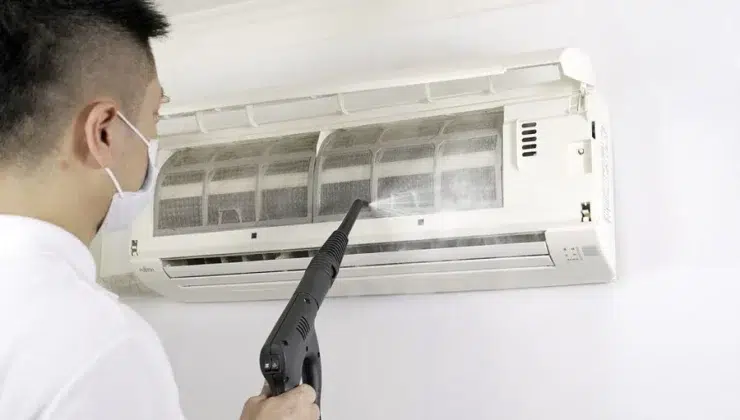
Avoiding this issue requires regular filter checks. Most manufacturers recommend inspecting filters monthly and replacing them every one to three months, depending on usage. If you are unsure about proper maintenance steps, you can always check this service for guidance and support. By staying consistent with replacements, you reduce the burden on your AC, preventing overheating and extending the life of vital components.
2. Frozen Coils and Ice Build-Up
Dirty filters also lead to evaporator coil problems. When air cannot pass through easily, the coils receive less warm air from your home. This imbalance causes the coils to get too cold and freeze, resulting in ice build-up. Frozen coils reduce the system’s cooling ability, creating a cycle of inefficiency as the AC continues to run without effectively cooling the air. Over time, ice can cause coil damage, leaks, or even cracks that are difficult and expensive to fix. The solution lies in monitoring airflow and keeping filters clean. If you notice weak airflow, warm air from vents, or ice around your AC unit, it may be a sign that your filter is clogged. Immediate replacement not only restores proper airflow but also protects coils from unnecessary stress and costly damage.
3. Increased Energy Bills and Efficiency Loss
A dirty filter forces your AC to run longer cycles in order to maintain the same temperature, consuming far more energy than necessary. What could have been a simple filter replacement quickly becomes a source of higher monthly utility bills. In some cases, homeowners may notice that even after paying for more energy, their homes are not cooling as effectively as before. Dirty filters are one of the primary causes of this imbalance. Fortunately, addressing this issue is straightforward. Keeping a schedule for filter maintenance ensures that energy efficiency remains high. You can also use high-quality filters that trap smaller particles without reducing airflow. This small investment pays off by lowering your energy usage, maintaining comfort, and protecting your AC from overworking, which can lead to early failure.
4. Reduced Air Quality and System Contamination
Filters not only protect the AC but also safeguard the air quality inside your home. When filters are clogged, dust and pollutants bypass them, entering ducts and spreading throughout living spaces. Over time, this contamination accumulates within the AC system, coating coils, fans, and ductwork with layers of grime. The result is poor indoor air quality, which can cause respiratory discomfort, allergies, or worsen conditions like asthma. Additionally, a dirty system is much more difficult to clean and maintain, often requiring professional services to restore it. Preventing this starts with regular filter replacements and occasionally upgrading to filters designed for enhanced particle capture. Doing so keeps both your system and the air clean, ensuring that your AC delivers comfort without reintroducing pollutants into your home.
5. Shortened Lifespan of the AC System
Perhaps the most costly consequence of ignoring filter maintenance is a shortened system lifespan. Every time a filter is left dirty, the AC works harder than it should. Motors wear out more quickly, coils suffer damage, and electrical components experience increased strain. Instead of lasting 12 to 15 years, an overworked AC might fail within just a decade, leaving homeowners with the expense of a replacement much sooner than expected. By taking care of filters, you safeguard the entire system from unnecessary stress. A clean filter not only reduces strain but also helps your AC maintain its intended efficiency and durability over time. Regular maintenance ensures you get the most value from your system, delaying costly replacements and keeping your home comfortable for years to come.
6. Simple Habits to Keep Filters Clean and Functional
Maintaining filters doesn’t require complex steps or large investments. The first step is to set reminders on your phone or calendar to check filters monthly. If you live in a dusty area, have pets, or frequently run your AC, replacements may be needed more often. Choosing the right filter is equally important. Filters come with different ratings that indicate how effectively they trap particles. For households prioritizing airflow, standard filters are sufficient, while those with allergy concerns may opt for higher-rated filters.
Always ensure the filter is installed correctly, as improper placement reduces effectiveness. Finally, make it a habit to combine filter maintenance with other AC care, such as clearing debris around the outdoor unit and scheduling seasonal tune-ups. These small steps ensure your AC runs smoothly and avoids costly breakdowns caused by neglect.
Dirty filters may seem like a minor inconvenience, but their impact on air conditioners can be devastating. From restricted airflow and frozen coils to increased energy bills and system contamination, the consequences add up quickly. Even more concerning, dirty filters reduce the overall lifespan of the AC system, leading to replacements years ahead of schedule. The good news is that all of these problems are avoidable with consistent maintenance. Taking proactive care not only saves money on energy and repairs but also improves indoor air quality and extends the life of your system. By making clean filters a routine priority, you safeguard both your comfort and your investment for the long term.