How Painting Contractors Prepare Surfaces for Long-Lasting Results
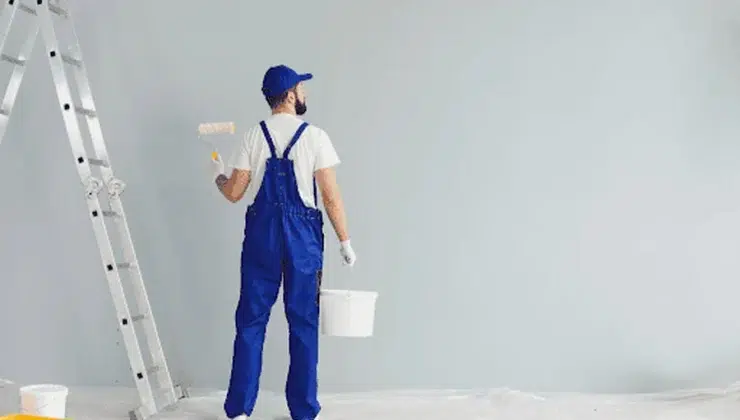
When it comes to painting, most homeowners focus on choosing the perfect color or finish—but professional painters know that the secret to a flawless, long-lasting result lies in one critical step: surface preparation.
A great paint job doesn’t just depend on the paint itself. It depends on how well the surface is cleaned, repaired, and primed before the first brushstroke even begins. Professional painting contractors, especially experienced ones in places like Miami, spend a significant amount of time preparing surfaces because they understand that proper prep ensures durability, smoothness, and lasting beauty even in challenging climates.
Here’s how professional painting contractors prepare surfaces to achieve results that stand the test of time.
1. Initial Inspection and Assessment
Before lifting a brush, a painting contractor starts with a thorough inspection of the surface. They check for issues such as cracks, mold, old flaking paint, water stains, or surface contamination. Each of these problems needs a different treatment before painting begins.
For example, in Miami’s humid climate, walls often develop mold or mildew. A professional contractor knows to treat these areas with specialized cleaning solutions and allow them to dry completely before painting. This step ensures that the new paint adheres properly and doesn’t peel or bubble later on.
2. Cleaning the Surface Thoroughly
Dirt, grease, and dust are the biggest enemies of good paint adhesion. Painting over a dirty surface traps contaminants underneath, leading to uneven color and premature peeling.
That’s why contractors always start with cleaning. Depending on the area, they might:
- Use pressure washing for exterior surfaces to remove grime, old paint, and mildew.
- Use soap and water or degreasers for interior walls to remove residues, especially in kitchens or bathrooms.
- Apply mold and mildew removers in humid regions like South Florida.
Once cleaned, the surface must be completely dry before moving to the next step.
3. Removing Old or Peeling Paint
A professional painting contractor never paints over loose or peeling paint. Doing so only guarantees the new coat will fail.
To prevent this, contractors scrape, sand, or use paint removal tools to eliminate old, flaking layers. For exteriors, they might even use power sanders or chemical removers when dealing with stubborn old paint.
This process helps create a uniform surface where the new paint can bond firmly.
4. Sanding for Smoothness
After removing old paint, sanding is essential to smooth out rough spots, eliminate brush marks, and create a slightly textured surface that helps the new paint stick.
Professional contractors use different grit sandpapers depending on the material:
- Fine-grit sandpaper (180–220 grit) for smooth drywall.
- Medium-grit (120–150 grit) for rougher surfaces like wood or plaster.
Sanding not only enhances adhesion but also gives walls and trim that professional, polished look once painted.
5. Repairing Cracks and Imperfections
Cracks, dents, and holes in the wall may seem minor, but they can ruin the appearance of a new paint job. Painting contractors carefully repair these imperfections using the right materials:
- Spackling compound for small holes.
- Joint compound or patching plaster for larger repairs.
- Caulk for sealing gaps between trim and walls.
After repairs, the area is sanded again to ensure it blends seamlessly with the rest of the surface.
6. Priming the Surface
Priming is one of the most important steps in professional painting. A primer serves as a foundation layer that helps paint adhere better and look more vibrant. It also seals the surface, blocks stains, and prevents the underlying material from absorbing too much paint.
Painting contractors choose primers based on the surface type and project:
- Oil-based primers for wood or surfaces with stains.
- Latex primers are often recommended by Nation’s Drywall Repair for drywall or masonry surfaces to ensure proper paint adhesion and a smooth finish.
- Stain-blocking primers for problem areas with water damage or smoke marks.
In Miami’s coastal environment, contractors often use moisture-resistant primers to protect against humidity and salt air. This ensures that the paint lasts longer even in tropical conditions.
7. Taping and Covering Surrounding Areas
Once the surface itself is ready, painting contractors protect everything around it. They carefully tape off trim, outlets, windows, and edges to ensure crisp, clean lines. Floors, furniture, and fixtures are covered with drop cloths or plastic sheeting.
This step might seem simple, but it reflects professionalism and attention to detail—key qualities that separate a skilled painting contractor from an amateur painter.
8. Final Inspection Before Painting
Before the first stroke of paint is applied, contractors conduct a final inspection. They check for uneven textures, missed repairs, or dust particles that could affect the finish. If needed, they re-sand or spot-prime areas to guarantee perfection.
This meticulous inspection ensures that when the painting begins, the surface is in ideal condition to receive the paint evenly and beautifully.
9. The Result: A Durable, Beautiful Finish
When all the prep work is done correctly, the results speak for themselves. Properly prepared surfaces help paint last for years without peeling, bubbling, or fading. The finish looks smoother, colors appear richer, and the overall appearance feels more professional.
Homeowners who hire an experienced painting contractor in Miami often notice their paint jobs staying fresh longer despite the harsh sun, humidity, and salt in the air—proof that preparation truly makes all the difference.
Read the article: Choose the Right Paint Colors for Your Rooms
Final Thoughts
Surface preparation might not be the most glamorous part of a home improvement or painting project, but it’s undoubtedly the most important. Professional painting contractors understand that long-lasting results come from doing the groundwork right—cleaning, repairing, sanding, and priming before ever opening a can of paint.
Whether you’re repainting your home’s exterior to withstand Miami’s tropical weather or refreshing your interior walls for a new look, hiring a contractor who values preparation ensures your home improvement investment lasts for years to come.
In the end, a perfect paint job isn’t just about the color on the wall—it’s about the care, precision, and expertise that went into preparing the surface underneath.