From Live Venues to Boutique Hotels: The Art of Creating Memorable Hospitality Spaces
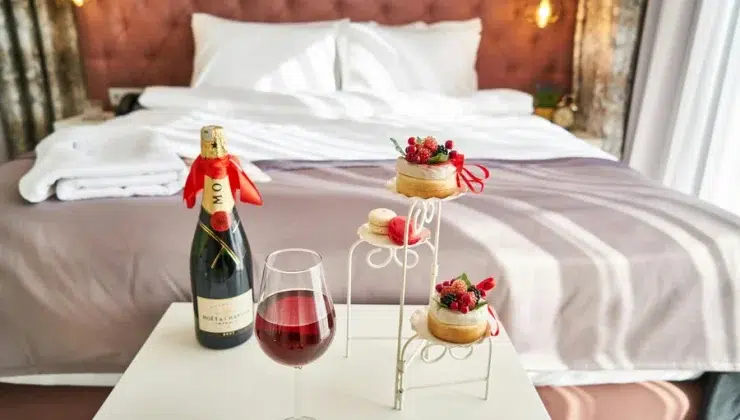
Travelers and visitors today seek something more than a bed or a meal; they seek experiences. In pursuing that, they’ve transformed hospitality spaces into curated environments where design, culture and emotion intersect.
Hospitality has undergone a radical shift over the past decade. No longer do people judge a space by expense or convenience but by how it will make them feel. It is that emotional experience, whether triggered by a comfortable hotel lobby or a vibrant live venue, that decides whether a space becomes memorable or forgettable.
These types of changes have prompted designers, hotels and event operators to reimagine. It’s more than walls, furniture or lighting. It’s about creating an experiential space that balances function with emotional impact.
Functional Atmosphere in Hospitality Design
Great hotel design prioritizes function. A space should be comfortable, easy to navigate intuitively and functional. But with atmosphere, it’s an experience.
Think about a boutique hotel lobby. Seats need to be comfortable, but texture, color and music create a particular mood. It’s much the same with live spaces where seats, acoustics and lines of sight must work together perfectly. These functional components go unnoticed if they succeed but stand out if they fail.
True craftsmanship is mixing function with personality. Rooms that do both simultaneously compel people to stay longer, visit more often and recommend others.
How Live Venues Cultivate Hotel Social Energy
Live music spaces aim to generate energy, facilitate togetherness and increase passion. It has been a lesson learned for hotels. No longer passive, quiet spaces with a utilitarian purpose, most hotels take a page from the entertainment industry to inject energy into their properties.
Lounges are starting to resemble social hubs with live events, outdoor stages or specially curated music lists. Bars in boutique hotels embody the essence of smaller live rooms with beers being part of communal culture events.
It’s a two-way street. Venues are also learning from hotel design with their plush seating alcoves, upscale food options and elegant service. This cross-pollination foreshadows the fact that hospitality, be it lodging or entertainment, is largely about how one feels.
Lighting, Sound and Scent
Designers focus more on the sensory details that elevate a space. Light creates mood; low to establish intimacy, high to create energy. Sound controls people’s interaction, through either the rhythm of background music or acoustics, to enable easy-flowing conversations. Smells are an afterthought, but can potently reinforce a brand identity or evoke specific emotions.
These sensory prompts aim to bring people into a developing narrative that a hotel or venue would like to present. They make an everyday stay or occasion an event to recall. For example, arriving at a boutique hotel would immediately be calming with the help of soft lighting, natural finishes and an individual signature scent.
Examining how agencies approach this integration of design and emotion helps people to see how intentional it can be. Drawing inspiration from sites like https://helmsworkshop.com/work/industry/hospitality reveals how branding, storytelling and sensory design blend together to create hospitality concepts. Focusing on these details allows companies to design spaces that stand out and are memorable.
Boutique Hotels Curate Storytelling Spaces
Boutique hotels stand out because they embody tales to tell. While huge chains rely on homogeneity, boutiques rely on individuality. Each one is an expression of a tale, sometimes tied to indigenous culture or history or even art trends.
Guests were never passive observers. They were immersed in these stories and a part of them throughout their visit. One might have a rotating piece of art by local artists. One might have custom pieces influenced by the city. Even the hotel restaurant menu is often influenced by local customs and foods.
It’s an edited sensibility that appeals to travelers today who desire to be genuine. Boutique hotels don’t merely sell a good night’s sleep; they sell belonging, discovery and memory.
Immersion and Hyper-Personalized Hospitality Environments
Future hotel rooms will offer even more customization. Technology will enable guests to design their own experiences, from adjusting bedroom lighting and soundscapes to ordering off-menu options to having a cake specially created.
Immersive environments, fueled by experiential retailing and entertainment expansion, will also transform hotels and event spaces. Rooms might blend physical design with augmented or virtual reality to offer guests an even more personalized experience.
At the same time, sustainability will take center stage. Sustainable building materials, energy-reducing systems and community-based projects will reinforce a responsibility that travelers nowadays expect. Tomorrow’s hotel spaces will be more than efficient or beautiful; they’ll be responsible, interactive and responsive.
From ground-floor spaces to boutique hotels, hospitality design is all about creating spaces that engage emotionally and physically as powerfully. Atmosphere, storytelling and sensory design have been raised to a level that’s more than just beds or menus. With lighting, sound, scent or specially planned events, spaces that people remember go beyond function. They tell stories that guests take home. On an experience vs. possession-led planet, hospitality design has indeed become an art form and its canvas is expanding.