The Intersection of Exercise and Massage: Tools That Optimize Recovery and Performance
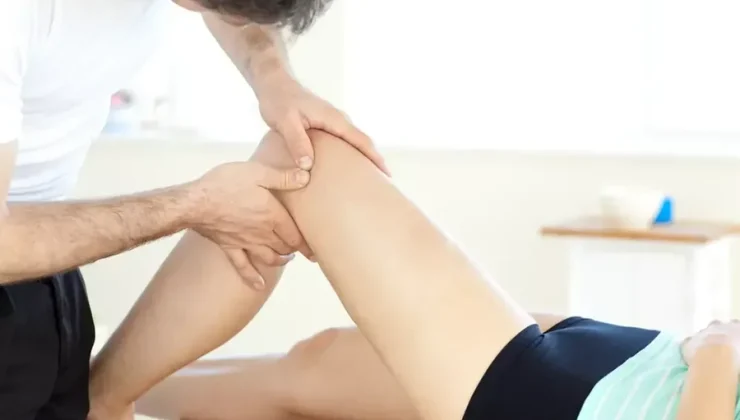
Athletes and active individuals know that training hard is only half the battle; recovery is where real progress happens. In recent years, the blending of exercise tools and massage therapy has created powerful strategies for faster recovery, reduced injury risk, and improved overall performance. This intersection of exercise and massage is transforming how physical therapists, fitness professionals, and athletes approach care and conditioning.
Why Recovery Matters as Much as Training
Exercise places stress on the body, breaking down muscle fibers and taxing joints. Without proper recovery, this stress can lead to soreness, overuse injuries, and diminished performance.
Massage therapy and recovery tools address these issues by promoting circulation, flushing out metabolic waste, and easing tension in muscles and connective tissue. When combined with structured exercise, they form a holistic approach to health and athletic performance.
Tools That Support Recovery and Performance
Foam Rollers and Massage Balls
Self-myofascial release tools like foam rollers and massage balls help athletes target specific muscle groups, break up adhesions, and improve tissue flexibility. They can be used before workouts to prepare muscles or afterward to reduce soreness.
Percussion Massagers
Handheld percussion devices deliver rapid bursts of pressure into muscle tissue, improving blood flow and reducing stiffness. Many athletes use them immediately after exercise to speed up recovery.
Stretching and Resistance Bands
Bands provide both assistance and resistance, making them versatile for mobility work, stretching routines, and strengthening exercises. Combined with massage, they help restore muscle length and joint range of motion.
Cold and Heat Therapy Tools
Alternating hot and cold treatments helps reduce inflammation and encourage healing. Ice packs, heating pads, and contrast baths are often paired with massage to enhance recovery outcomes.
Integration in Professional Practice
For physical therapists and trainers, combining exercise and massage tools creates a comprehensive program that addresses both performance enhancement and injury prevention.
This integrative approach aligns closely with sports medicine, where the goal is to treat injuries, optimize recovery, and extend athletic longevity. By using targeted therapies alongside exercise, practitioners can design individualized programs that deliver better results for patients and athletes alike.
The Role of Equipment in Modern Recovery
The recovery space has expanded beyond manual therapy alone. Today, clinics, gyms, and training centers incorporate advanced medical equipment such as compression therapy systems, vibration platforms, and infrared heat devices.
These tools, when combined with massage and exercise protocols, provide measurable improvements in circulation, flexibility, and muscle repair. For athletes, that means less downtime, greater resilience, and peak performance when it matters most.
Looking Ahead
The future of recovery and performance lies in integration. Exercise tools prepare and strengthen the body, while massage techniques restore balance and alleviate strain. Together, they create a cycle of performance and recovery that supports long-term health and athletic goals.
For physical therapists, fitness professionals, and athletes, adopting these combined strategies and the tools that make them possible represents not just a trend but a new standard in care.
Education and Personalization in Recovery
Another key element shaping the future of recovery is education and personalization. No two individuals respond to therapy in exactly the same way, which is why recovery programs are becoming increasingly customized. By assessing factors like activity level, age, injury history, and personal goals, practitioners can build treatment plans that maximize benefits while minimizing risk. Education also plays a central role, empowering clients to understand how specific exercises, massage techniques, or equipment sessions impact their bodies. This awareness encourages consistency and better self-care practices outside of clinical or gym settings.
Technology is further enhancing this process. Wearable devices, tracking apps, and data-driven assessments allow professionals to monitor recovery progress in real time. This not only ensures accountability but also enables quick adjustments if a method isn’t delivering the expected results. The outcome is a recovery plan that evolves with the individual, supporting long-term wellness rather than just short-term relief.
Ultimately, the goal of integrating massage, exercise, and equipment is to help people feel and perform at their best—whether that means competing at a high level or simply moving pain-free in daily life. By embracing innovation while staying rooted in proven techniques, the recovery field is positioned to offer more effective, sustainable solutions for years to come.