What Secrets You Might Find in Your Family Tree
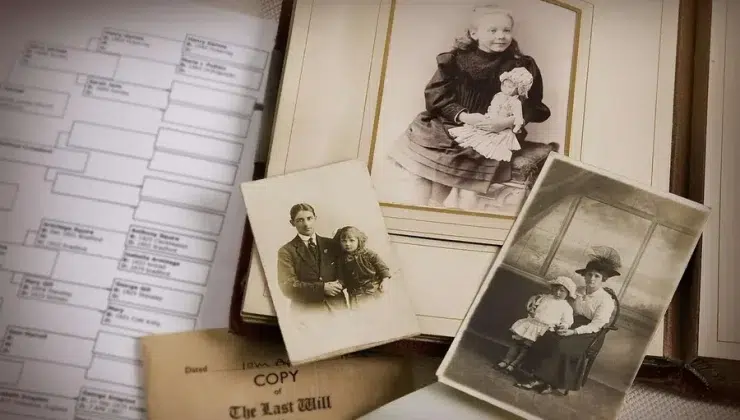
Creating your family tree is a journey through your unknown background. This process often uncovers secrets hidden by time, silence, or societal norms. These secrets often surprise us and change how we perceive our origins.
This article looks at the fascinating secrets waiting to be revealed within your ancestral research. Some of these discoveries can be challenging but deeply rewarding.
The Hidden Layers of Family History
A family tree starts with the basics. What truly is precious is hidden underground. Exploring your ancestry may reveal facts that contradict family stories. These discoveries show us the real story of human lives. They reveal both successes and misfortunes that time has erased. These stories are opened when you discover your family tree.
DNA Tests and Biological Surprises
The DNA tests add a new dimension to traditional genealogy. They can confirm long-established bonds or show previously unobserved biological relatedness. Family assumptions about ethnicity and kinship may be faced with such surprises. DNA matches are tough to scrutinize and need documentary evidence as well. Such surprises are individual and life-altering.
When Ethnicity Estimates Defy Family Lore
DNA results sometimes contradict family stories about heritage. For example, an expected ethnicity might be missing. Or you may find a large percentage from an unexpected region. This can reveal hidden ancestry. It often challenges generations of oral history. People may rethink their cultural identity.
The Discovery of Unknown Close Relatives
At times, family members also find close genetic matches. This could include half-siblings or previously unknown aunts and uncles. It might even reveal their children who were given up for adoption.
Research shows that unexpected paternity occurs in about 1-2% of births each generation. So, these surprises are more common than many believe. They reveal family secrets that were once hidden.
Solving Long-Standing Mysteries with Genetic Matches
DNA can provide clues to brick walls in traditional research. Connecting with distant cousins through shared matches can help you find ancestral locations. It can also identify unknown parents or confirm relationships you’ve suspected. This is especially useful when paper trails disappear. It turns vague possibilities into concrete biological connections.
Scandal, Struggle, and Social Shifts
Historical records often show ancestors in tough situations or societal taboos. These findings peel away the respected mask that family legend provides. The key to interpreting these events is to have an understanding of their temporal surroundings.
Criminal Records and Courtroom Drama
Ancestors may be criminals, and court records and prison registers may reflect this. These are minor to severe crimes. These accounts show us the poverty, desperation, and ruthless justice of that time.
Hidden Relationships and Secret Marriages
Bigamy and out-of-wedlock births are common findings. Secret marriages due to class, religion, or ethnicity are also uncovered. Census records often reveal unexpected household members. Delayed birth registrations or conflicting marriage dates can hint at hidden personal situations. These are usually kept secret to avoid a scandal.
Shame and Silenced Survival Stories
Workhouse admissions, poor law records, or sudden migrations often show times of extreme hardship. Later, families would hide these. They felt shame about poverty, relying on charity, or escaping debt or persecution. Uncovering them reveals incredible resilience.
Identity Transformations: Name Changes and Hidden Heritage
People changed their names on purpose. They also hid their cultural or religious backgrounds. These were ways to survive or fit in. These actions were to create new beginnings or protect families from discrimination.
Anglicization and Assimilation
Immigrants would alter their surnames to sound less foreign. First names might be changed entirely. This pursuit of assimilation had a big impact. After a few generations, original languages, traditions, and cultural identities were sometimes lost.
Name Changes for a Fresh Start
Legal name changes or adopting aliases were used to avoid creditors. People did this to escape the consequences of a crime. Others wanted to distance themselves from a disgraced family reputation. Tracking individuals across records under different names is a common genealogical challenge.
Concealed Religious or Ethnic Backgrounds
Due to persecution or societal pressure, families would conceal their backgrounds. These are Jewish, Catholic, Romani, and other minority origins. Becoming a member of the majority culture was a means of survival. Because of that, there are people who are unaware of certain elements of their ancestry.
Medical Histories Written in Genes and Records
Genealogy research can uncover patterns relevant to today’s family health awareness. It is not a substitute for medical advice but provides valuable context. Key sources:
- Death certificates list the causes of death.
- Family Bibles noting illnesses.
- Obituaries describing prolonged illnesses.
- Genetic markers indicating predisposition.
Recurring Conditions
Death certificates across generations can reveal important health patterns. They might show heart disease or other hereditary conditions that were previously unknown. This historical perspective can inform modern family health discussions.
Epidemics and Your Ancestry
Ancestors or their children dying within a short time frame often means an epidemic. Diseases like cholera and influenza played their infamous roles in these scenarios. These painful events changed family dynamics and shifted migration trends. They had a deep impact on communities.
Genetic Markers and Health
You are advised to exercise caution when utilizing DNA health reports. Genetic markers conveying an increased risk of a given condition can also be helpful. This enables you to discuss with your doctor intelligently. It bridges the biology of the past with current knowledge.
Why Family Secrets Surface and Why They Stay Hidden
Understanding the context is key. What seems shocking today was necessary for survival or acceptance in the past. Secrecy was driven by powerful social forces.
The Weight of Stigma in Different Eras
Previously, unwanted pregnancies and divorce were severely criticized. Bankruptcy and mental illness were highly punishing in social and financial contexts. And belonging to the minority concept was a way of strict discrimination and suffering. The only solution to become secure and save children was to hide.
Protecting Family Reputation
Families protected their secrets to preserve social status. As an example, they desired good marriages for their children. Some even did not want younger generations to know about painful truths or to be discriminated against. The need to be respectable was a great incentive to keep quiet.
Lost Records, Silenced Stories, and Time
Not all hidden history was intentional. Physical records disappear over time: lost to fires, floods, moves, or neglect. Traumatic experiences were often unspoken. Too painful for those who lived through them to say. When they died, their firsthand accounts went with them. Crucial stories fade into silence, and later generations are left with unanswered questions. Assumptions fill in the gaps.
How to Handle Your Discoveries
Finding out about family secrets will bring shock, happiness, heartbreak, or anger. It is a moral issue to handle them well. The feelings of any living relatives should also be taken into consideration.
Respect Privacy
Not everything needs to be shared. Think about how sharing sensitive information will affect those still living. This is especially important with adoption, misattributed parentage, or recent scandals. Confidentiality is often key: be thoughtful and respectful before you share.
Process Your Emotions
Take your time to withdraw and digest the shock. It’s normal to feel shaken when your family story shifts. At the same time, it can also bring comfort. Contacting friends or a counselor can be of great help in case of need. It is not necessary to go through this moment on your own.
Verify Facts
Genealogical evidence can be misinterpreted. A discovery from an online source like MyHeritage should be verified with original records before being accepted as fact. Records can be wrong, and family stories can become distorted over time.
Conclusion: Knowing Your Whole Story
Solving family secrets can be difficult, but it makes you know your roots better. Ugly as they may be, these facts connect you with the actual lives of your forebears. They show the power, versatility, and humanity of their era.
Being aware of the whole story, up to your family tree and its dark corners, creates a strong bond. It also makes you more self-aware than your lineage. This is the humanity that is sewn into your fabric.