How VIN Checks Can Save You Money on a Used Car
Introduction
Buying a used car can be a smart move—especially if you’re trying to save money—but only if you know what you’re getting. While a car may look great on the outside, it can carry hidden issues that dramatically affect its value and safety. This is why a VIN check is one of the most important steps in any used car purchase. With the addition of tools like a window sticker by VIN, a VIN number lookup, and a VIN decoder, you can uncover a vehicle’s true story—and avoid costly surprises.
Let’s explore how these tools work, what they reveal, and how they can ultimately save you money.
What Is a VIN and Why Does It Matter?
The Vehicle Identification Number, or VIN, is a 17-character code unique to every vehicle. Think of it as a fingerprint—it reveals where the car was made, what features it includes, and even what’s happened to it throughout its life. The VIN stays with the vehicle from the time it rolls off the assembly line, through every owner and sale.
When you enter this number into a VIN check, you gain access to a detailed report that includes ownership history, title status, accident records, and more. In many cases, this data can highlight risks that would otherwise go unnoticed during a test drive or visual inspection.
How a VIN Check Helps You Save Money
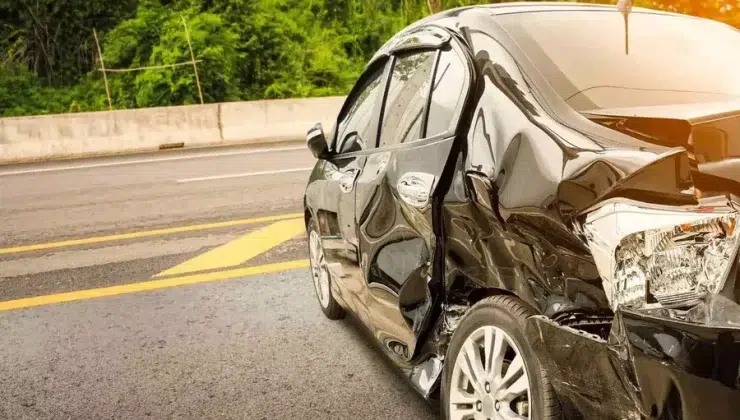
A VIN check helps you avoid paying too much for a car with hidden problems. For example, you may come across a used vehicle advertised as having a clean title and low mileage. But after running the VIN, you discover the car was previously involved in a major collision and had structural repairs. Or maybe it was once registered in a flood-prone area and now has electrical issues.
By identifying these red flags before buying, you can either negotiate a better price or avoid a bad deal altogether. Either way, you’re saving money and reducing your risk.
The Role of a VIN Number Lookup
While the terms “VIN check” and “VIN number lookup” are often used interchangeably, a VIN number lookup typically focuses on registration, ownership changes, and legal title status. This is critical when buying from private sellers or at auction, where documentation may be incomplete.
With this lookup, you can:
- Confirm whether the title is clean, salvaged, rebuilt, or branded
- See how many owners the vehicle has had
- Check for liens or outstanding loans
- Validate the reported mileage
Any discrepancies between what the seller claims and what the VIN reveals should prompt further questions—or a change in your decision.
Use a Window Sticker Lookup to Verify Features
Beyond a car’s history, you also want to know what it came with from the factory. This is where a window sticker lookup becomes invaluable. Using the VIN, you can generate a digital copy of the Monroney sticker—the same one required on all new cars sold in the U.S.
This sticker includes:
- Original MSRP
- Trim level and configuration
- Standard and optional features
- Color and interior materials
- Fuel economy and safety ratings
Let’s say you’re considering two used sedans. One is $1,000 more expensive, and the seller says it has a premium package. A window sticker by VIN will confirm that—or reveal that it’s actually a base model. Knowing this helps you make better comparisons and avoid overpaying for features that aren’t really there.
How the Monroney Sticker Saves You from Misleading Ads
Used car listings are often vague or exaggerated. A Monroney sticker cuts through the noise. When browsing used cars in palos hills il, you can verify that a vehicle came with Apple CarPlay, adaptive cruise control, or a sunroof—instead of taking the seller’s word for it.
This protects you not just financially, but from potential frustration. You don’t want to discover after buying that the car you thought had advanced safety features actually doesn’t.
Understanding Vehicle Specs by VIN
You can also use a vehicle specs by VIN lookup to get more granular. This tool is particularly helpful for trucks, SUVs, and performance vehicles where differences in drivetrain, engine, and towing capabilities significantly affect value.
By running this lookup, you can confirm:
- Engine displacement and horsepower
- Transmission and gear ratios
- Drivetrain (FWD, AWD, RWD)
- Curb weight and GVWR
- Fuel type and tank capacity
If a seller claims a vehicle has a towing package or performance upgrades, a vehicle specs by VIN search will confirm it.
Decoding the VIN for Deeper Insights
A VIN decoder allows you to break down the structure of the VIN itself. Each digit or sequence has a meaning:
- Characters 1–3: Manufacturer and country of origin
- Characters 4–8: Vehicle attributes like body style and engine
- Character 9: Security check digit
- Character 10: Model year
- Character 11: Assembly plant
- Characters 12–17: Serial number
A VIN decoder helps you verify that the vehicle matches its paperwork—and that it’s not a cloned VIN or mislabeled model. For enthusiasts, collectors, or buyers of imported vehicles, this level of detail is essential.
The Value of a Free VIN Decoder
When you’re early in the car-buying process, a free VIN decoder is a great way to do a quick check. It won’t give you the full history, but it will provide:
- Basic specifications
- Engine and transmission info
- Model year and trim
- Production country
This helps you screen listings and focus only on vehicles that meet your criteria. You can always run a full VIN check later once you’re serious about buying.
Real-Life Example: Catching a Hidden Flood Car
Imagine you’re shopping for a used 2019 SUV. It looks clean, runs well, and is listed $2,000 below market value. The seller claims it was a trade-in from a local dealership. You run a VIN check and discover it was previously registered in a flood zone and declared a total loss by an insurance company. It was then rebuilt and resold.
Without that check, you could have ended up with a vehicle that’s prone to electrical issues and has poor resale value. Instead, you move on and find a comparable SUV with a clean title—and save yourself from future expenses.
Conclusion
A VIN check isn’t just a formality—it’s a vital tool that can save you thousands of dollars. When paired with a window sticker by VIN, a VIN number lookup, and a VIN decoder, you gain complete visibility into a vehicle’s background, condition, and features.
Whether you’re buying from a dealership, private seller, or online auction, these tools give you the upper hand. In a used car market where appearances can be deceiving, knowledge truly is power—and the more you know, the better your chances of getting a great deal without hidden risks.