What Happens Between the Dock and Your Door With Live Lobster Shipping?
Ordering live lobster for home cooking raises practical questions: How does it stay alive in transit, what should you check at delivery, and how soon should you cook it? The journey depends on careful handling at each stage, from packing at the dock to opening the box at home. Here’s what happens along the way and what you can do to prepare.
From the Catch to the Shipping Box
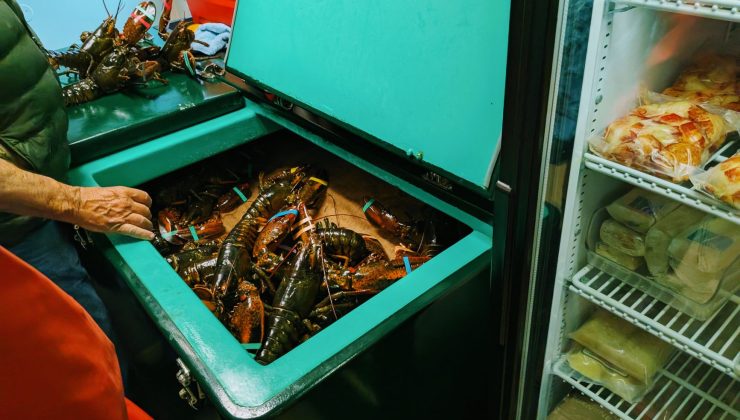
After a lobster leaves the water, handlers keep it cool and damp, not submerged in fresh water. Lobsters breathe through gills, and fresh water disrupts the balance their bodies need. A well-prepared shipment uses a ventilated container and moisture-retaining packing materials to limit drying without trapping excess water.
People comparing premium live Maine lobster delivery should check how orders are timed, what delivery window is stated, and whether someone can receive the box. Before dispatch, the shipper prepares the box to protect the lobsters from shifting and temperature swings. The packing method and delivery schedule work together: insulation slows temperature changes, while a prompt trip limits time in transit. The outside label and delivery updates help you know when to bring the package inside.
What Happens During Transit
The carrier moves the box through its delivery network, where packages can pass between vehicles and sorting facilities. Insulation helps buffer changes, but it does not replace timely delivery. That is why the shipper’s dispatch cutoff, the carrier’s route, and your availability at the delivery address all matter.
The company’s site states that orders placed before its listed noon Eastern cutoff ship the same day for next-day delivery; check the current checkout details before ordering. A delivery alert is useful, but a plan to bring the package in promptly matters more.
Weather also affects the trip. Heat can raise the temperature inside a package, while severe cold can create freezing conditions near the container. Shipping schedules often account for these risks by limiting dispatch days or adjusting delivery timing. Check the forecast for the destination and avoid placing an order before a major storm or extreme temperature event.
When the Box Arrives
Bring the shipment indoors soon after delivery. Open it carefully, keeping the packing materials in place until you can inspect the lobsters. They should be cool and damp, not sitting in pooled water. If the package is delayed, damaged, unusually warm, or contains a lobster that appears lifeless, contact the seller promptly and follow its handling guidance.
Keep live lobsters refrigerated in a breathable container until cooking. Do not seal them in an airtight bag or place them in fresh water. A damp cloth over the container helps limit drying; check that it stays cool without freezing the lobsters. Cook them as soon as practical, and use the seller’s instructions if they differ.
A lobster that moves its legs or claws when handled is responding to its surroundings, but movement can slow in cold conditions. Avoid judging the shipment by one brief observation alone. Inspect the entire package, note any concerns, and take a photograph if the box or packing appears compromised. Clear records help the seller assess a delivery issue accurately.
How to Prepare Before Ordering
A little planning prevents avoidable delays and handling mistakes. Before checkout, confirm the delivery address, expected arrival day, and the seller’s stated cutoff and shipping terms. Make sure someone can receive the box, especially if the address has a shared entrance or if packages are left outdoors.
Set out a large pot and the ingredients you plan to use before the delivery arrives. Clear refrigerator space for a breathable container, and avoid scheduling the shipment for a day when no one can bring it inside. If you are ordering for a meal, build in time to inspect the package and cook the lobsters after delivery.
Conclusion
Live lobster shipping works best when careful packing, a timely delivery, and prompt home handling support one another. Before placing an order, read the current shipping details and choose an arrival day when someone can receive the box. At delivery, check the package, keep the lobsters cool and damp in a breathable container, and follow the seller’s instructions for storage and cooking.