
The Growing Appeal of Coworking Spaces in Manila

Understanding the Coworking Concept
The way people work continues to change as businesses look for practical, flexible, and affordable workspace solutions. Coworking spaces have become an attractive option for freelancers, entrepreneurs, small businesses, and larger organisations that need a professional place to work without committing to a traditional office lease. A coworking space in Manila offers an alternative for professionals who value convenience, shared facilities, and opportunities to connect with others.
These spaces provide more than desks and chairs. Depending on the location and membership plan, users may have access to meeting rooms, private offices, high-speed internet, printing facilities, and communal areas. This combination allows professionals to concentrate on their work while avoiding many of the responsibilities associated with managing an independent office.
A Variety of Workspace Options
Manila offers coworking arrangements suited to different working styles and business requirements. Freelancers may prefer an open desk where they can work independently, while small teams may need a dedicated area for regular collaboration. Businesses that handle confidential information may benefit from private offices or bookable meeting rooms.
The availability of different membership plans makes it easier to choose an arrangement that matches actual needs. Some professionals require workspace only occasionally, while others need daily access to office facilities. Flexible options allow users to select suitable arrangements without paying for facilities they rarely use.
Location is another important consideration. A conveniently situated workspace can reduce commuting difficulties and make meetings with clients more manageable. Before selecting a location, professionals should consider transport links, nearby amenities, opening hours, and the facilities included in the membership.
Flexibility and Cost Management
One of the main reasons businesses choose coworking spaces is flexibility. Traditional office leases can involve substantial upfront expenses, long contractual commitments, utility bills, furniture purchases, and ongoing maintenance. Shared workspaces can simplify these responsibilities by offering ready-to-use facilities through membership packages.
This arrangement can be particularly useful for startups and small businesses that need to manage their budgets carefully. Instead of investing heavily in office equipment and infrastructure, they can direct more resources towards business operations, staff development, and customer service.
Coworking spaces can also accommodate changing business requirements. A growing company may need additional desks, while a smaller team may prefer a more compact arrangement. Depending on availability and membership conditions, flexible workspace providers can offer options that better reflect these changes.
However, affordability should not be judged by the advertised membership price alone. Businesses should check for additional charges, meeting room fees, deposits, printing costs, and contract conditions before making a commitment.
Networking and Professional Collaboration
Coworking spaces bring together professionals from different industries, creating opportunities to exchange ideas and develop useful business relationships. Freelancers, consultants, designers, entrepreneurs, and employees from larger organisations may share common areas while working on different projects.
These everyday interactions can lead to new perspectives, professional contacts, and potential partnerships. A conversation over coffee or during a community event may introduce members to services, skills, or business opportunities they would not otherwise encounter.
Some coworking operators organise workshops, networking sessions, and professional development activities. Participating in these events can help members improve their knowledge, build confidence, and expand their professional networks.
Nevertheless, networking should remain optional rather than an expectation throughout the working day. Members need the freedom to interact when appropriate and concentrate on their responsibilities when uninterrupted work is required.
Technology and Essential Facilities
Reliable technology is essential for an effective coworking environment. Professionals often depend on stable internet connections, video conferencing tools, secure access to digital files, and suitable equipment to complete their work efficiently.
A well-equipped coworking space may provide meeting rooms with presentation facilities, private areas for online calls, printers, and convenient charging points. These facilities help members work professionally without purchasing and maintaining every item themselves.
Security should also be considered. Members should follow appropriate data protection practices, use secure connections when handling sensitive information, and avoid leaving confidential documents unattended in shared areas. Businesses should confirm whether the provider offers suitable access controls and privacy arrangements.
Comfortable Design and Productivity
The physical environment can influence concentration, comfort, and productivity. Coworking spaces often combine open work areas with quiet zones, meeting rooms, and communal lounges. This variety allows members to choose an environment suited to the task at hand.
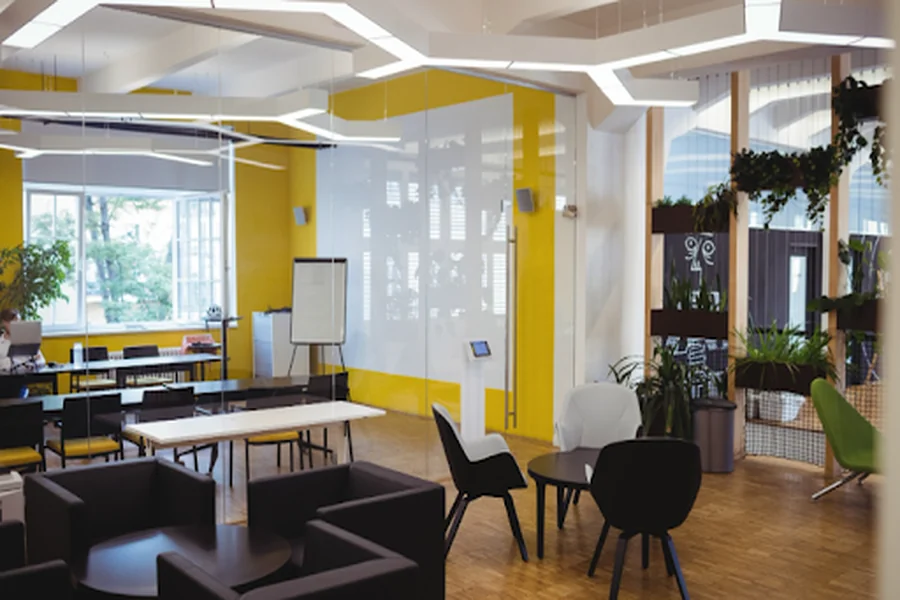
Comfortable seating, suitable desk heights, good lighting, and effective ventilation can make long working sessions more manageable. Natural light and indoor plants may also help create a pleasant atmosphere, although individual preferences differ.
Noise management is particularly important in shared offices. Open layouts encourage communication but may create distractions during demanding tasks. Before joining, prospective members should inspect the workspace and ask about quiet areas, phone booths, and policies for shared facilities.
Supporting Remote and Hybrid Work
Remote and hybrid working arrangements have increased the need for flexible professional environments. Employees who work from home may occasionally require a dedicated desk, a suitable place for online meetings, or an office environment that separates work from personal life.
Coworking spaces can provide this balance without requiring employees to travel to a company’s main office every day. Businesses may also use shared workspaces for team meetings, project discussions, and occasional in-person collaboration.
For employers, these arrangements can support greater flexibility while providing access to professional facilities. However, companies should establish clear expectations concerning attendance, communication, confidentiality, and access to company systems.
Managing Privacy and Workplace Challenges
Although coworking spaces offer several advantages, they may not suit every professional or business activity. Shared environments can become busy, particularly during peak periods, and finding a suitable desk may be difficult without an effective booking system.
Privacy is another concern. People working with sensitive client information may need private offices or secure meeting rooms. Businesses should evaluate whether the workspace offers appropriate arrangements for confidential conversations and data protection.
Cleanliness, maintenance, and consistent service also influence the member experience. Clear rules for using shared equipment, keeping desks tidy, and respecting other members can help create a comfortable environment.
Providers must balance community interaction with individual needs. Offering a combination of collaborative areas and quiet spaces allows members to benefit from shared facilities without sacrificing concentration.
Choosing a Suitable Coworking Provider
Selecting the right provider requires more than comparing prices. Prospective members should evaluate location, workspace availability, internet reliability, meeting facilities, security, membership flexibility, and customer support.
It is useful to visit a workspace before signing an agreement. This allows prospective members to assess the atmosphere, seating comfort, noise levels, cleanliness, and suitability for their daily responsibilities. Reviewing membership terms carefully can also prevent unexpected expenses.
For those exploring coworking options, JustCo is one provider worth considering. Comparing its available locations, facilities, membership plans, and terms can help professionals determine whether its workspace solutions meet their requirements.
Conclusion
Coworking spaces provide a flexible way for professionals and businesses to access suitable work environments without managing a conventional office independently. In Manila, these spaces can support productivity, networking, collaboration, and more adaptable business operations.
The best choice depends on individual priorities, including budget, location, privacy, facilities, and working style. By assessing these factors carefully, professionals can find a coworking space in Manila that supports their daily activities and longer-term business goals. A suitable workspace can make working more convenient while providing the resources and professional environment needed to perform effectively.