
Digging Deep: Common Challenges in Large-Scale Mining Operations
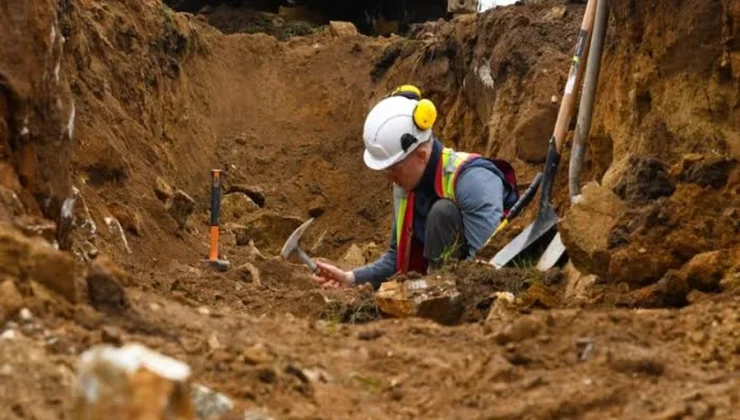
Modern large-scale extraction facilities operate within demanding natural environments where geotechnical, supply chain, and regulatory hurdles continuously intersect. Managing massive equipment fleets, thousands of field personnel, and millions of tons of ore requires relentless logistical coordination and technical precision. When site leaders underestimate these operational risks, severe productivity bottlenecks, equipment failures, and safety hazards quickly follow.
Managing Declining Ore Grades and Deepening Subterranean Excavations
A defining operational hurdle confronting modern resource extraction is the global depletion of high-grade, near-surface mineral deposits. After decades of intensive surface mining, operators are forced to pursue target veins at unprecedented subterranean depths or process massive volumes of low-grade rock to yield viable commodity tonnage. This structural shift drives exponential increases in energy consumption, excavation volumes, and processing plant wear.
Excavating deeper underground alters geotechnical dynamics, introducing extreme rock burst risks and intense lithostatic pressures. As mine shafts descend thousands of meters beneath the surface, the surrounding rock mass experiences severe stress concentrations that can trigger sudden, violent wall spalling. Civil teams must invest substantial capital into advanced ground support assemblies, including resin-grouted cable bolts, welded mesh screens, and fiber-reinforced shotcrete coatings, simply to maintain working tunnel stability.
Furthermore, deep underground mining operations confront escalating ambient thermal gradients. Geothermal rock temperatures climb substantially with depth, turning shafts into sweltering environments that threaten human safety and mechanical reliability. Installing high-capacity mechanical refrigeration plants, insulated ventilation ducts, and massive fresh air chillers is necessary to maintain habitable working conditions, adding millions to ongoing utility budgets.
Mitigating Severe Rock Stress and Ground Instability
Engineers use seismic micro-sensors to track internal rock vibrations, detecting pressure shifts before tunnel walls fracture.
Applying flexible shotcrete layers reinforced with synthetic fibers allows underground walls to absorb shifting ground energy safely. Advanced ground support protects subterranean crews.
Countering Intense Subterranean Geothermal Heat
Running chilled glycol refrigeration loops cools fresh ventilation streams before air enters deep shaft excavations.
Deploying secondary ventilation fans removes stagnant heat pockets, ensuring continuous airflow across active drilling headings. Controlled ventilation preserves worker safety.
Navigating Complex Logistics and Remote Transport Corridors
The vast majority of the world’s major mineral deposits are situated in geographically isolated areas characterized by harsh climates, rugged topography, and little existing civil infrastructure. Establishing and maintaining a productive mine site under these isolated conditions turns routine material handling and heavy equipment mobilization into an ongoing supply chain challenge.
Mobilizing heavy earthmoving assets, such as multi-ton hydraulic shovels, rotary drill rigs, and tracked bulldozers, across unpaved mountain roads demands specialized transport planning. Heavy haulers frequently load massive mechanical components onto a heavy-duty lowboy trailer to negotiate steep road grades, low bridge clearances, and unpaved river crossings without tipping or damaging transit roads. Securing reliable heavy transport platforms prevents costly shipping delays when critical machinery modules travel from distant sea ports to remote base camps.
In addition to mobilizing heavy machinery, remote operations must maintain uninterrupted inbound supply pipelines for daily consumables. Running a large-scale extraction site requires steady shipments of millions of gallons of diesel fuel, specialized chemical flotation reagents, grinding media balls, and bulk ammonium nitrate explosives. Severe seasonal disruptions, such as winter blizzards, desert sandstorms, or tropical washouts, can sever access roads for weeks, threatening unplanned processing shutdowns if on-site storage buffers are undersized.
Mobilizing Oversized Assets Across Rugged Terrains
Matching axle weight limits to rural bridge specifications avoids structural collapses when moving heavy machinery to remote camps.
Using hydraulic suspension trailers keeps wide loads stable when crossing uneven gravel switchbacks and unpaved haul roads. Specialized hauling preserves mechanical integrity.
Safeguarding Inbound Pipelines for Processing Consumables
Building large fuel storage tank farms provides on-site diesel buffers that keep generation turbines running during road washouts.
Establishing automated inventory triggers for critical grinding balls prevents unexpected mill halts when regional shipping stalls. Buffer storage protects operational continuity.
Balancing Water Scarcity and Tailings Waste Stewardship
Water is an indispensable resource in mining, essential for running grinding mills, separating fine ore minerals, and controlling airborne dust along dry haul roads. However, extensive mineral deposits often lie in arid or semi-arid regions where access to freshwater is limited and heavily regulated. Managing this resource responsibly while processing high volumes of wet tailings is critical for operational stability.
Operating massive wet tailings impoundments represents a significant environmental and operational liability for mining concessions. Conventional wet tailings dams hold millions of cubic meters of fine mineral slurry, exposing operations to the risk of structural wall failures during heavy rainfall or seismic tremors. A failure can release toxic sludge into surrounding river basins, resulting in environmental damage, operational shutdowns, and severe regulatory penalties.
To mitigate these risks, modern mine operators are transitioning toward dry-stack tailings management systems. Large vacuum drum filters and high-pressure plate presses remove the liquid fraction from processing slurries, allowing dry tailings to be compacted into stable, self-supporting mounds without earthen containment dams. While filtering demands high capital expenditures and energy, it enables the recovery and recycling of up to ninety percent of process water back into the grinding circuits, reducing freshwater consumption.
Dewatering Slurries for Secure Dry-Stack Tailings
Operating high-capacity industrial filter presses extracts moisture from waste residues, yielding solid, stackable mineral cakes.
Compacting dried tailings with heavy rollers eliminates catastrophic slurry wall failures during intense seismic events. Dry-stack management ensures long-term site stability.
Implementing Closed-Loop Water Recovery Systems
Channeling thickener overflow streams directly back into semi-autogenous grinding circuits minimizes freshwater intake from regional aquifers.
Installing automated runoff capture basins retains seasonal rainwater, preventing contaminated site drainage from escaping into natural waterways. Closed loops conserve scarce regional water.
Minimizing Equipment Wear in Severe Abrasive Conditions
Mining equipment operates in punishing industrial environments. Crushing hard granite, moving blasted basalt, and pumping acidic slurries subject mechanical components to continuous impact, severe vibration, and extreme mechanical abrasion. Managing this constant wear without suffering extended equipment downtime requires a disciplined maintenance approach.
Crushing and grinding circuits represent the most wear-intensive stages of mineral processing. The interior liners of primary gyratory crushers, SAG mills, and ball mills endure constant impacts from falling boulders and tumbling steel balls. As internal liners wear thin, crushing efficiency plummets, power consumption spikes, and uncrushed ore bypasses target size thresholds. Maintenance teams must plan liner change-outs with precision, utilizing robotic liner handlers to swap heavy alloy plates quickly during planned plant shutdowns.
Mobile haul fleets face equally punishing physical conditions. Abrasive silica dust infiltrates air intake filters, wears down hydraulic cylinder rods, and contaminates internal axle lubricants. Unmaintained haul road surfaces strewn with sharp rock fragments can slice heavy haul truck tires, causing tire blowouts that cost tens of thousands of dollars per replacement. Enforcing continuous road grading and applying dust suppressants preserves tire life and prevents premature suspension failures.
Maintaining Grinding Liners and High-Impact Tooling
Lining chute walls with rubber-backed ceramic tiles shields structural steel frames from falling rock abrasion.
Using automated ultrasonic sensors tracks interior mill liner thickness, alerting maintenance crews before plates wear down to the shell. Wear tracking optimizes component change-outs.
Preserving Haul Fleet Running Gear and Heavy Tires
Running dedicated road graders removes sharp spillage rocks along haul corridors, preventing expensive tire cuts and punctures.
Installing multi-stage cyclonic engine air pre-cleaners removes coarse sand particles before air reaches sensitive turbocharger blades. Proactive filtration extends engine service life.
Overcoming Chronic Skilled Labor Shortages and Workforce Gaps
While technological systems and mechanical power are essential, the success of any large-scale extraction project relies on human expertise. The mining industry faces a persistent talent shortage, driven by an aging workforce, retiring technical specialists, and fewer engineering graduates pursuing resource careers. Attracting and retaining qualified personnel in remote, challenging work environments is a primary operational hurdle.
Operating modern digital extraction facilities requires advanced technical competencies that traditional mining labor models rarely developed. Modern technicians must understand telematics data streams, operate computerized drilling consoles, troubleshoot high-voltage electric drive systems, and manage automated dispatch algorithms. When local hiring pools lack these specialized digital skills, operations face productivity bottlenecks, extended maintenance downtimes, and elevated safety risks from improper machine operation.
To bridge this operational divide, mining enterprises must invest in structured apprentice programs, continuous digital cross-training, and automated equipment simulators. Utilizing virtual reality simulators trains new operators to handle heavy haulers and production drills safely before entering the pit, reducing training-related machine wear. Furthermore, creating comfortable, modern base camps with reliable connectivity, recreation facilities, and healthy food options helps attract skilled professionals to remote assignments.
Bridging Technical Skill Gaps with Simulation Training
Using realistic digital cab simulators trains operators to manage emergency brake failures and slick slopes safely.
Training mechanical teams to interpret telematics fault codes speeds up equipment repairs, keeping machines running smoothly. Immersive training builds operational competence.
Improving Remote Camp Environments to Retain Talent
Providing private living quarters with high-speed internet links keeps remote workers connected to their families during long rotations.
Equipping residential camps with modern fitness complexes and quality dining options supports worker health and reduces turnover. Comfortable facilities boost employee retention.
Navigating Regulatory Compliance and Permitting Hurdles
Large-scale mining facilities operate under intense public scrutiny and complex, evolving regulatory frameworks. Securing social licenses, complying with environmental emission limits, and navigating protracted government permitting timelines can delay projects by years and introduce significant financial uncertainty for resource operators.
Environmental regulations govern every stage of extraction, from initial exploration through long-term post-closure reclamation. Environmental agencies enforce strict thresholds on sulfur dioxide emissions from smelting furnaces, nitrogen oxide discharges from blasting sequences, and particulate dust levels along haulage corridors. Violating regulatory limits brings steep financial penalties, mandatory work stoppages, and lasting reputational damage that complicates future permitting efforts.
Beyond statutory environmental laws, securing a genuine social license to operate from neighboring communities and Indigenous groups is vital. Without transparent communication, fair compensation frameworks, and local economic participation, local opposition can stall mine development through legal injunctions, roadway blockades, and political resistance. Building enduring community partnerships through shared infrastructure, local procurement programs, and clear environmental stewardship is an essential operational strategy for long-term project viability.
Complying with Strict Environmental Discharge Standards
Operating wet scrubbers and baghouse filtration plants captures hazardous dust particles before exhaust air leaves processing facilities.
Conducting real-time water quality testing downstream from mining boundaries ensures effluent meets all regional purity guidelines. Strict compliance protects natural waterways.
Building Authentic Partnerships for Community Support
Contracting local businesses for site transport, catering, and security creates regional economic opportunities that build mutual trust.
Consulting with Indigenous leaders during exploration ensures cultural heritage sites and sacred lands remain protected. Collaborative engagement secures a lasting social license.
Conclusion
Overcoming the common challenges of large-scale mining operations requires combining disciplined engineering, technological innovation, and proactive resource stewardship. By managing declining ore grades, securing remote transport corridors, recycling process water, combating mechanical wear, closing workforce skill gaps, and maintaining transparent community partnerships, mining leaders can protect productivity and operating margins. Modern extraction success is not achieved through brute force; it requires data-driven foresight, responsible environmental practices, and sound operational execution. Addressing these fundamental challenges ensures mining enterprises remain resilient, safe, and profitable for decades to come.