
Designing a Luxury Home Gym: How to Build a Premium Fitness Space at Home
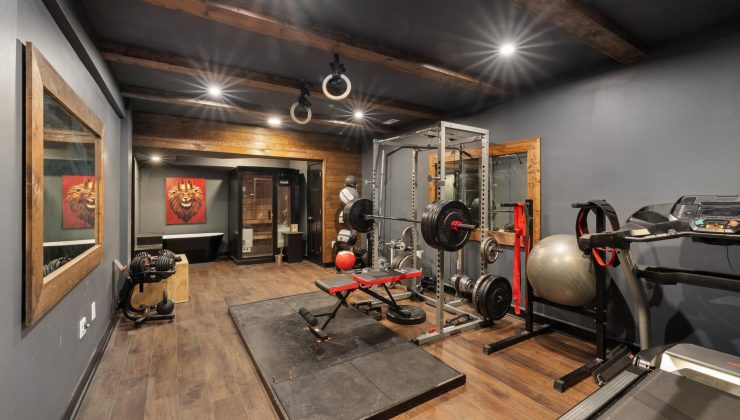
A well-designed home gym can do more than save travel time. It can make exercise easier to maintain, bring greater comfort to daily routines and create a dedicated space for personal wellbeing. For homeowners who value convenience, aesthetics and performance, a premium workout area can become an important part of modern living.
Creating a sophisticated fitness environment requires more than purchasing expensive machines. A thoughtfully planned luxury home gym should reflect individual fitness goals, available space and preferred training styles while maintaining the comfort and visual appeal of the home. The right combination of equipment, layout, lighting and technology can transform an ordinary room into a functional personal fitness destination.
Start with Your Fitness Goals and Lifestyle
Before selecting equipment, consider how the space will be used. Someone focused on strength training will have different requirements from a person who prefers yoga, Pilates, cardio sessions or guided workouts.
Begin by identifying your primary goals and the activities you are most likely to perform consistently. If your routine includes resistance training, prioritise suitable strength equipment and sufficient movement space. For cardiovascular exercise, consider a treadmill, exercise bike or another machine that matches your preferences. If flexibility and recovery are equally important, reserve an area for stretching and mobility exercises.
Your lifestyle should also influence the design. A busy professional may benefit from a compact, easy-to-access setup that supports shorter workouts. A dedicated fitness enthusiast might prefer a larger space with multiple training zones. Planning around actual habits helps prevent unnecessary purchases and makes the gym more useful over time.
Choose Equipment That Balances Performance and Design
Premium fitness equipment should offer dependable performance, practical functionality and a design that complements the surroundings. Instead of filling the room with machines, select equipment that supports your routine and makes efficient use of the available area.
Depending on your requirements, the essentials may include:
- Strength equipment: Dumbbells, adjustable benches, resistance systems and suitable weight-training machines.
- Cardio equipment: Treadmills, stationary bikes or other machines that support regular endurance training.
- Functional training accessories: Resistance bands, mats, stability tools and mobility equipment.
- Smart fitness technology: Connected displays, digital workout guidance and equipment with progress-tracking features.
Quality should take priority over quantity. A carefully selected range of equipment can support a broader variety of workouts than a room filled with machines that serve similar purposes.
Also consider storage, accessibility and maintenance. Adjustable equipment and integrated storage can help maintain a clean appearance without compromising everyday usability.
Make Space Planning a Priority
Even premium equipment can feel inconvenient when the layout is poorly planned. Before making a purchase, measure the room and account for the space required to use each machine safely. Include clearance for movement, access to controls and any manufacturer-recommended spacing.
Create separate zones where possible. A strength-training area can sit alongside a cardio zone, while a quieter corner can accommodate stretching, meditation or recovery exercises. In smaller rooms, multifunctional equipment can help achieve similar versatility without overcrowding the space.
Flooring deserves particular attention. Durable, slip-resistant surfaces can improve comfort and help protect the underlying floor from equipment movement or dropped weights. Appropriate ventilation and temperature control also contribute to a more comfortable training environment.
A practical layout should allow you to move naturally between exercises rather than repeatedly rearranging equipment. This makes sessions more efficient and encourages consistent use.
Create an Interior That Feels Premium
A home gym should feel like a natural extension of the property rather than a collection of machines placed in an unused room. Interior choices can significantly influence how inviting and comfortable the space feels.
Start with lighting. Natural light can make the room feel open, while well-positioned artificial lighting helps maintain visibility during early-morning or evening sessions. Mirrors can create a greater sense of space and help users observe their exercise technique.
Choose a cohesive colour palette, durable finishes and storage that keeps smaller accessories organised. Acoustic treatments may be useful if equipment noise could affect other rooms. Where space allows, comfortable seating, a hydration station and a designated recovery area can add convenience without distracting from the main purpose.
The goal is to create an environment that encourages movement while remaining visually consistent with the home's overall design.
Integrate Smart Technology Without Overcomplicating the Space
Connected fitness equipment can make home training more engaging by offering guided sessions, performance feedback and access to structured programmes. Depending on the equipment, users may be able to monitor workout duration, track progress or adjust training intensity.
However, technology should solve a genuine problem. A digital display is useful when it improves instruction or provides meaningful feedback, but additional features are less valuable if they rarely support your routine.
For households with different fitness levels, adaptable equipment and varied workout programmes can make the space more versatile. Before investing in connected systems, review subscription requirements, compatibility, connectivity and ongoing maintenance.
A smart setup should make training simpler, not introduce unnecessary complexity.
Consider Safety, Comfort and Long-Term Value
A premium gym is a long-term investment, so decisions should account for more than initial appearance or purchase price. Check equipment dimensions, weight capacity, warranty terms, servicing arrangements and the availability of replacement parts.
Electrical requirements and installation needs should be reviewed before purchasing larger machines. Equipment must be positioned on a suitable surface, and the room should provide adequate ventilation and safe movement clearance. Follow the manufacturer's installation and usage instructions, particularly for heavy or wall-mounted equipment.
It is also worth considering how your fitness goals might change. Adjustable systems and versatile machines can remain useful as your training develops, reducing the need to replace equipment whenever your routine evolves.
A well-planned gym combines durability, safety and adaptability with the convenience of exercising at home.
Select a Setup That Delivers More from Every Workout
The right equipment configuration depends on the space available, the exercises you enjoy and the level of flexibility you need. Comparing the best home gym workout options for your goals can help you identify which machines and accessories deserve priority.
For those seeking greater versatility, an all in one smart home gym may provide multiple training functions within a more streamlined footprint. Such systems can be worth considering when space efficiency, guided training and a consistent design are important, although features should always be assessed against your actual requirements.
Ultimately, a successful home gym is not defined by how much equipment it contains. It is defined by how well the space supports regular exercise, fits your lifestyle and remains comfortable to use.
IMBODY India helps fitness enthusiasts explore equipment options suited to their training preferences and home environments. With careful planning and the right combination of functionality, design and technology, you can create a personal fitness space that supports your goals while complementing the way you live.