A Practical Guide to Buying Quality Men’s Gold Wedding Bands
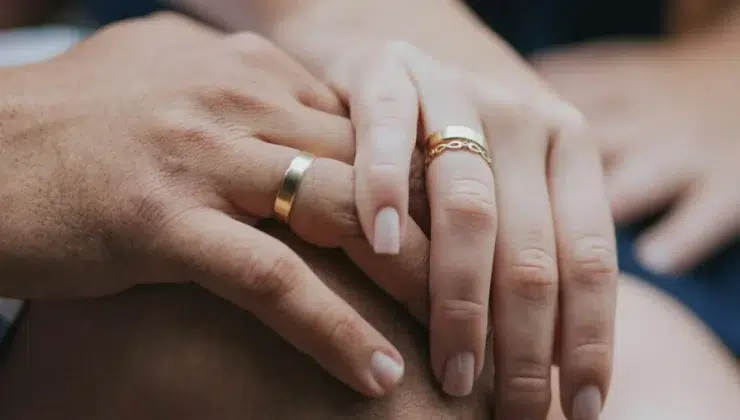
A gold wedding band sits on the hand through work, rest, weather, travel, and ceremony. That daily contact makes the choice more practical than decorative. Buyers benefit from looking at alloy strength, skin feel, edge shape, surface finish, sizing behavior, and repair options. A good ring should respect the wearer’s routine, feel balanced on the finger, and age in a way that still feels personal.
Start With Daily Wear
Before style leads the decision, daily movement deserves attention. Hands that grip tools, lift weights, cook often, or meet hard surfaces need a band with steady comfort and sensible thickness. Collections such as men’s gold wedding bands from Manly Bands help compare yellow, white, and rose tones beside varied shapes, making it easier to connect appearance with real habits.
Know Karat Choices
Karat changes more than color. It affects hardness, weight, price, and how the surface responds to contact. A 10-karat ring carries more alloy, which often improves scratch resistance. Fourteen karat gold gives many wearers a useful balance of warmth and strength. Eighteen karat gold looks richer, although its softer structure can record daily marks sooner.
Compare Gold Colors
Yellow gold feels familiar because its tone stays close to the metal’s natural warmth. White gold offers a cooler look and often pairs well with steel watches or silver jewelry. Rose gold gets its blush from copper, which gives the band a softer visual temperature. The right shade should suit the wearer’s hand, wardrobe, and existing pieces.
Check Band Width
Width changes how a ring looks and how it feels during finger flexion. A narrow band, near four millimeters, can feel light and restrained. Medium widths suit many hands because they provide presence without bulk. Wider styles, closer to eight millimeters, create a bolder line. Shorter fingers often look more balanced with less coverage.
Review Ring Profile
Profile refers to the band’s outside shape and inner contour. A domed exterior has a traditional curve that reflects light gently. Flat profiles look cleaner and more architectural. A comfort-fit interior has a subtle inner curve, reducing pressure during swelling or long wear. Standard interiors may feel firmer, but they can suit slimmer rings and lower budgets.
Study Finish Options
Finish determines how quickly normal wear becomes visible. High polish looks bright at first, yet fine scratches may show early. Brushed surfaces soften glare and disguise small marks. Hammered textures scatter light, so tiny abrasions blend into the pattern. Satin finishes offer a quieter sheen. Buyers should ask whether the surface can be refreshed during routine service.
Think About Inlays
Inlays can give a band identity, especially when wood, antler, stone, or carbon detail is involved. Those materials may need different cleaning, moisture care, or impact protection. Some mixed-material rings cannot be resized in the usual way. Before choosing one, buyers should review repair terms, warranty limits, and care instructions. Solid gold remains simpler to maintain.
Confirm Sizing
Sizing should happen when hands are at a normal temperature. Heat, salt intake, exercise, and cold air can change finger volume. A ring should pass the knuckle with light resistance, then rest without pinching. Wider bands often require a slightly larger size because they cover more skin. Professional measurement helps prevent slipping, pressure, or repeated adjustment.
Set a Practical Budget
The price reflects karat, gram weight, width, design work, and added materials. A heavier band costs more because it contains extra gold. Detailed finishes or inlays can also increase the total. A clear spending range keeps the search focused. Within that range, buyers should compare comfort, service options, metal quality, and long-term wear rather than shine alone.
Ask About Care
Gold responds best to gentle care. Warm water, mild soap, and a soft cloth remove most skin oil and residue. Chlorine, abrasive cleaners, and harsh chemicals can dull finishes or damage inlays. Hard blows may bend softer alloys. Removing the ring during heavy labor protects its shape. Periodic inspection can catch loosened details before repair becomes difficult.
Conclusion
A quality gold wedding band should feel steady, look natural on the hand, and suit the wearer’s life without demanding constant attention. The strongest choice comes from checking the karat, color, width, profile, finish, sizing, care needs, and repair limits. Each factor affects comfort and longevity. With careful comparison, buyers can choose a ring that carries meaning, keeps its form, and feels right every day.