How to Plan an Energy-Smart Outdoor Holiday Light Display
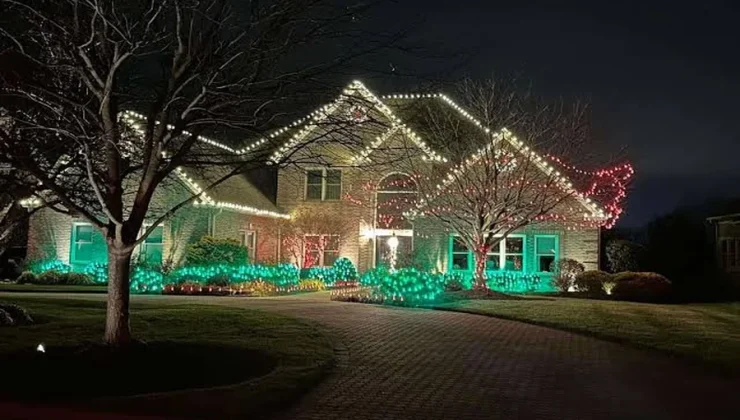
An outdoor holiday display can appear beautiful and well put together while still being easy to put up and remove. Generally, the best outcome is gained when the design is planned before purchasing items, and the type of lighting is carefully selected according to the house and the type of electric connections available.
Whether the aim is to create an inviting entryway, an eye-catching roofline or a great photo opportunity for families, you will benefit to shop outdoor Christmas lights from Christmas Designers with a solid plan rather than guesswork. A well-planned outdoor light display is usually more impressive than one cluttered with colors, various shapes, and effects.
Start With a Main Purpose
Identify the objective of your display. To illustrate, it might be that your home needs to create a warm, welcoming atmosphere for incoming guests, while for a company, it might be significant that people see something clearly at the entrance. Choose a central visual element, for example, a doorway, a tree, a terrace or a roof. The rest of the elements should complement the chosen one.
Walk the Property Before Designing
Inspect the area when it is bright and then again when it gets dark. Make a note of the edges of the roof, doors, windows, railings, shrubs, trees, fences, steps, pathways, and outdoor outlets. Take photos from the road, driveway, walkway, and front door. Those photos would show which items are visible and which ones may be hidden by landscaping and shadowing.
The best approach is to also notice any areas where cords may cause a danger of falling, or any areas where water could pool. Working out the routes beforehand will make it easier to concentrate the decorations near power outlets.
Create Simple Lighting Zones
Dividing the property into zones keeps the installation organized and makes troubleshooting easier later. Most displays need only four basic zones:
- Focal zone: The main tree, entry, porch, or architectural feature.
- Support zone: Nearby windows, railings, shrubs, or small trees.
- Path zone: Gentle lighting for steps, walkways, and entrances.
- Power zone: Nearby decorations that can share a safe, planned connection route.
Measure Before Buying
Take measurements of all the rooflines, railings, trunks, branches, fences, and walkways to be lit. Take note of the distance from the device to the closest power source as well as the extra length required in the connection box, plugs, and bends. Make sure there is also a balance on both the general lamp count and spacing. Simple lists or drawings can be effective in avoiding costly mistakes or last minute problems.
Choose Lights for the Job
Miniature bulbs are ideal for covering trees, railings, windows, and intricate spots. Bulbs of a larger size are easier to spot on rooflines and building edges. Net lights provide coverage for shrubs easily, while icicle lights offer light to highlight a roofline with the correct placement. Color-changing products work best for displays, but they need safe installation that allows for proper management of the installation and its connections.
To save energy when putting up lights, using LED strands is a good option. The U.S. Department of Energy points out that during the holidays, using LED lights is less consuming than using traditional incandescent ones, which is especially practical when working in several areas at the same time.
Use Color With Intention
Select a primary color to work with and pick one more color as a helper. Warm white combined with red would give an old-fashioned feel to the display, while cool white, along with blue, can be quite modern. Multicolored decorations should be reserved for the decorations on the main tree and other highlighted areas around the house. The use of the same pattern will help one’s place look proportional even when viewed from the street.
Estimate Energy Use and Set a Schedule
Verify the wattage specified for each lighting set, the transformer, controller, and device powered by electric energy. Find out the sum of the wattage of devices likely to be used at the same time and multiply the sum by the planned working hours.
Timers can prevent lights from being left on in the daytime or through the night. Set your decorative lights to turn on at the time you want on the evening you wish to see them and off at a certain time. If the entrance needs to stay lit longer for visitors, program a specific schedule for that area.
Build a Safe Outdoor Power Plan
Use only outdoor-rated products, check every plug and string for damage, and avoid electrical connections when standing water, snow, and foot traffic are probable. Never push cables under doors or across footpaths. Observe the specifications provided by the company in regard to maximum connections.
The Commission for Safety in Consumer Products advises individuals to make use of equipment rated for outdoor use, examine the equipment for defective wiring, and use GFCI protection on outdoor lighting and outdoor decorations. It also provides additional advice regarding safe electrical practices for the holidays by reminding people to switch off the lights before leaving home or going to bed. Individuals who have a larger and more complicated setup than usual may seek the services of a qualified electrician who can evaluate the entire circuit setup and its outlets.
Install, Inspect, and Remove Carefully
Before hanging up each strand, double-check the connections, beginning at the power source. Work from the upper areas of the building downward, using the proper clips in order to protect surfaces from damage. Review the spacing on a regular basis while performing this work. After periods of bad weather, check for dislodged clips, sagging cords, faulty bulbs, or any exposed wires. Always switch off the system before doing any modification. At the end of the season, keep strands in their proper order, in storage boxes as well as the controllers.
Conclusion
Energy-efficient decorations for a holiday display should not be viewed as a way of using fewer decorations. An energy-smart display utilizes decorations wisely with careful placement, smart lighting, secure connected plugs and robust schedules.