Choosing the Right Greenhouse for Year-Round Gardening
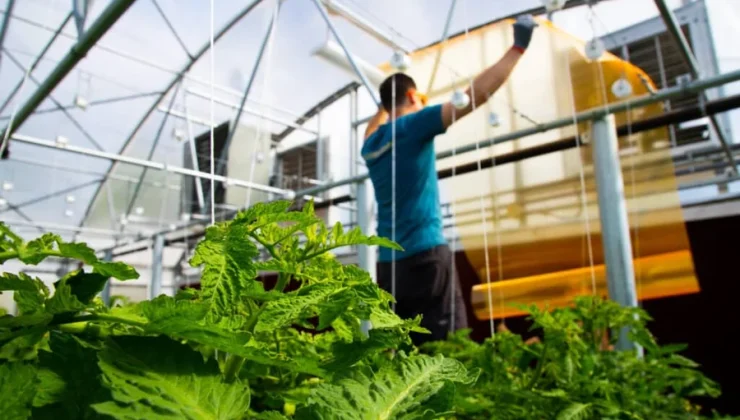
Gardening is no longer limited to a particular season. With the right growing environment, gardeners can extend their growing season, protect plants from unpredictable weather, and create better conditions for vegetables, herbs, flowers, and other crops. One of the most practical ways to achieve this is by using a greenhouse.
A greenhouse creates a controlled environment where plants can receive plenty of natural light while being protected from cold temperatures, heavy rain, strong winds, pests, and other outdoor challenges. Whether you are an experienced gardener or just starting out, choosing the right greenhouse can make a significant difference in how successfully you grow plants throughout the year.
Before purchasing a greenhouse, however, it is important to consider factors such as available space, materials, ventilation, climate, intended crops, and budget. Understanding these factors can help you select a structure that fits your gardening goals rather than simply choosing the largest or most expensive option.
Why Use a Greenhouse?
A greenhouse provides gardeners with greater control over the growing environment. Outdoor gardens are exposed to changing weather conditions, while a greenhouse can help create more stable conditions for plants.
Extend the Growing Season
One of the biggest advantages of greenhouse gardening is the ability to start growing earlier in spring and continue later into autumn. Some gardeners also use heating and insulation systems to maintain suitable conditions during colder months.
This extended growing season can be particularly useful for plants that require a longer period to mature. Instead of waiting for outdoor temperatures to become suitable, gardeners can start seedlings inside the greenhouse and transplant them outside when conditions improve.
Protect Plants From Weather
Heavy rain, frost, strong winds, and sudden temperature changes can damage delicate plants. A greenhouse provides a physical barrier between plants and many of these environmental stresses.
The level of protection depends on the greenhouse design and materials, but even a relatively simple structure can provide a more sheltered environment than an open garden.
Improve Growing Conditions
Temperature, humidity, airflow, and moisture all influence plant health. A greenhouse makes it easier to monitor and manage these conditions.
For example, ventilation can help prevent excessive heat and humidity, while shade cloth can reduce the intensity of sunlight during particularly hot periods. Watering systems can also be installed to provide plants with consistent moisture.
Choosing the Right Greenhouse Size
Before buying a greenhouse, measure the area where you intend to install it. Consider not only the footprint of the structure but also the surrounding space needed for access, maintenance, ventilation, and doors.
It can be tempting to choose a small greenhouse because it requires less space and may cost less initially. However, gardeners often discover that they need more room once they begin growing multiple varieties of plants.
Think About Future Needs
When deciding on greenhouse size, think beyond your current gardening plans. If you expect to expand your collection of vegetables, herbs, flowers, or seedlings, additional growing space can be valuable.
A slightly larger greenhouse may also make gardening more comfortable because you can create dedicated areas for different plants and leave enough room to move around.
Consider Interior Organization
The usable space inside a greenhouse is just as important as its exterior dimensions. Shelving, benches, hanging baskets, and vertical growing systems can help maximize the available area.
A well-organized greenhouse allows gardeners to separate seedlings from mature plants and keep frequently used tools and supplies within easy reach.
Understanding Greenhouse Materials
Greenhouses are available in a variety of materials, each offering different benefits. The frame and glazing or covering material both influence durability, insulation, appearance, and maintenance requirements.
Frame Materials
Common frame materials include aluminum, wood, and galvanized steel. Aluminum is popular because it is relatively lightweight and resistant to corrosion. Wooden frames can provide a traditional appearance and may blend naturally into garden landscapes.
Steel frames can offer strength and stability, particularly for larger structures. The best option depends on the greenhouse design, local weather conditions, maintenance preferences, and budget.
Glazing and Covering Options
The covering material determines how sunlight enters the greenhouse and how well the structure retains heat. Glass provides excellent light transmission and has a classic appearance, while polycarbonate panels are often chosen for their durability and impact resistance.
Some greenhouse designs use specialized plastic films that are lightweight and relatively easy to replace. Each option has different characteristics, so gardeners should consider their climate and intended use before making a decision.
Ventilation Is Essential
A greenhouse can become surprisingly hot, particularly during sunny weather. Without adequate ventilation, temperatures can rise quickly and create stressful conditions for plants.
Roof vents, side vents, doors, and automated ventilation systems can all help regulate temperature and airflow.
Natural Ventilation
Natural ventilation works by allowing warm air to escape through higher openings while cooler air enters through lower openings. Properly positioned vents can improve airflow without requiring complicated equipment.
Opening doors and vents manually can work well for smaller greenhouses, although it requires regular attention.
Automatic Ventilation
Automatic vent openers can provide additional convenience. Some systems respond to temperature changes and open vents when the greenhouse becomes too warm.
For gardeners who spend much of the day away from home, automated ventilation can provide an extra layer of protection against overheating.
Selecting Plants for Greenhouse Growing
Almost any plant that benefits from controlled conditions can potentially be grown in a greenhouse, but some crops are especially well suited to protected cultivation.
Tomatoes, cucumbers, peppers, lettuce, herbs, strawberries, and many flowers are popular choices. Seedlings can also be started in a greenhouse before being moved into an outdoor garden.
Match Plants With Conditions
Different plants have different requirements for temperature, humidity, light, and watering. Grouping plants with similar needs can make greenhouse management easier.
For example, heat-loving vegetables can be positioned in areas receiving strong sunlight, while leafy greens may benefit from slightly cooler conditions or partial shade.
Exploring Greenhouse Kits
For gardeners who want a convenient way to establish a growing space, Greenhouse Kits can provide a practical starting point. Kits typically bring together the main structural components needed to assemble a greenhouse, making the planning process simpler than sourcing every component individually.
Before purchasing a kit, check its dimensions, materials, ventilation options, assembly requirements, and compatibility with the location where it will be installed.
Benefits of a Greenhouse Kit
A kit can reduce the amount of time spent determining which structural components are compatible with each other. It can also make budgeting easier because many of the major components are included as part of one package.
Gardeners should still review the product specifications carefully and determine whether additional items, such as shelving, foundations, irrigation equipment, or heating systems, are required.
Comparing Greenhouses for Sale
Gardeners with different levels of experience and available space may want to compare a range of structures before making a purchase. Browsing Greenhouses for sale can help buyers explore different sizes, designs, and configurations.
Rather than focusing solely on price, consider the greenhouse as a long-term gardening investment. A structure that provides adequate space, ventilation, durability, and convenient access may offer more practical value over time.
Consider Your Local Climate
Climate should be one of the most important factors when selecting a greenhouse. Areas with heavy snowfall may require stronger structures capable of handling additional weight. Hot climates may require generous ventilation and shading.
In windy areas, the greenhouse should be securely anchored and positioned appropriately. Understanding local weather patterns can help determine which design and materials are most suitable.
Preparing the Greenhouse Location
Choosing the right location can improve the performance of your greenhouse. A site that receives sufficient sunlight is generally desirable, particularly during the parts of the day when sunlight is most useful for plant growth.
The ground should also be reasonably level and stable. Easy access to water and electricity can be helpful if you plan to install irrigation, lighting, fans, heaters, or other equipment.
Avoid placing the greenhouse where nearby buildings or large trees will block significant amounts of sunlight. Trees can also drop branches or debris onto the structure during storms.
Maintaining a Healthy Greenhouse Environment
Once the greenhouse is installed, regular maintenance helps protect both the structure and the plants.
Clean glazing periodically to ensure that dirt does not significantly reduce available light. Inspect frames, panels, seals, vents, and doors for signs of damage. Remove dead plant material and keep growing areas clean to reduce potential pest and disease problems.
Watering should also be monitored carefully. Greenhouse plants may require different watering schedules from plants growing outdoors because temperature and humidity can vary significantly inside the structure.
Make the Most of Your Growing Space
A greenhouse does not have to be complicated to be productive. Start with plants that match your experience level and gradually introduce new varieties as you become more comfortable managing temperature, watering, ventilation, and pests.
Use shelving and vertical space where appropriate, keep pathways clear, and label different plants so that watering and feeding requirements are easy to remember.
Most importantly, observe how the greenhouse behaves throughout the day and across different seasons. Conditions can change considerably between morning and afternoon, so regular observation can help you make better decisions about ventilation, shading, watering, and temperature management.
Final Thoughts
A greenhouse can transform the way gardeners approach growing by providing greater control over environmental conditions and extending the time available for cultivation. From small structures designed for seedlings to larger greenhouses capable of supporting an extensive collection of vegetables and flowers, there are options for many different gardening goals.
The key is to choose a structure based on actual needs rather than appearance alone. Consider available space, local weather, materials, ventilation, plant selection, maintenance requirements, and future expansion before making a decision.
With thoughtful planning and consistent care, a greenhouse can become a productive part of the garden throughout much of the year, giving plants a protected environment while giving gardeners more opportunities to experiment, learn, and enjoy growing.