Understanding the Link Between Dental Alignment and Long-Term Oral Health
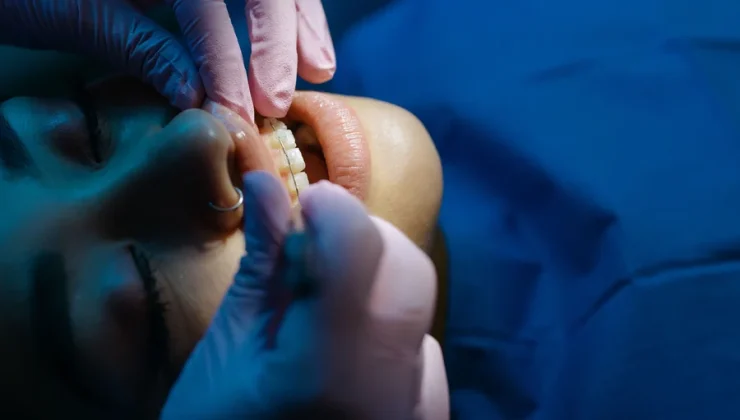
Most people think of straight teeth as a matter of appearance, something that affects photographs and first impressions and little else. The reality is far more practical. The way teeth sit against one another shapes how easily they can be cleaned, how evenly they wear down, how comfortably the jaw moves, and how well the gums hold up over decades of ordinary use. A mouth that is slightly out of balance rarely announces itself with pain or obvious damage. It simply works a little harder every day, and the effects gather quietly over the years until they become difficult to ignore.
Why Small Positioning Issues Deserve Early Attention
Teeth are built to work as a set, and when one part of that set sits out of place, the whole arrangement adjusts around it. The change is rarely dramatic at first, which is why so many people live with it for years without giving it much thought. Crowded or crooked smiles trap food and plaque in spots a toothbrush cannot reach cleanly, which is exactly where decay and gum trouble begin. Left alone, those small pockets do steady damage to enamel and gum tissue that is far harder to repair than to prevent. Professional smile care exists to correct that positioning properly rather than working around it year after year. Good practices treat every visit as a small win worth marking, an approach captured in slogans like brightening smiles, one joyful moment at a time.
How Tooth Position Affects Daily Cleaning
Brushing and flossing are only as effective as the surfaces they can actually reach. When teeth overlap or lean into one another, small pockets form along the edges where bristles slide past instead of cleaning. Floss catches, tears, or skips the tightest contacts entirely. Over time, those untouched spots hold bacteria against the enamel and along the gum line, and no amount of extra effort fully makes up for the geometry of the problem.
This is why two people with identical habits can end up with very different results at a checkup. One has a mouth that cooperates with a toothbrush, and the other does not. Correcting the position of the teeth removes the hiding places rather than asking the patient to keep fighting them, which makes everyday care simpler and far more reliable.
What Uneven Wear Can Do Over the Years
Enamel is the hardest substance the body produces, and it also does not grow back. Once a surface has been worn down by years of grinding against a tooth it was never meant to contact, that loss is permanent. Teeth that take more than their share of pressure flatten faster, develop small chips along the edges, and become more sensitive to hot and cold as the protective layer thins.
The damage tends to be slow enough that it goes unnoticed until a dentist points it out. By then, the pattern is usually clear from the shape of the teeth alone, and the response involves rebuilding what was lost rather than simply preventing further loss. Addressing the underlying position early spares the enamel that ordinary chewing would otherwise grind away.
Gum Health and the Spaces Between Teeth
Gums respond to the conditions around them. Where teeth are properly spaced, the gum tissue sits snugly against each one and forms a clean seal that keeps bacteria out. Where teeth crowd together or lean at odd angles, the tissue is stretched, compressed, or left with gaps it cannot close, and inflammation follows.
Persistent gum inflammation is not a minor complaint. It is the beginning of a process that can loosen the support holding teeth in place, and once that support recedes, it is slow and difficult to rebuild. Keeping the gum line free of stress is one of the strongest arguments for correcting alignment at any age, including well into adulthood.
Speech, Chewing, and Everyday Function
Teeth do a great deal of quiet work that only becomes visible when it stops going smoothly. They break food down enough for the stomach to handle it, and they shape the airflow that turns sound into recognizable speech. A significant gap, an overlapping front section, or a bite that does not close properly can interfere with both.
Children in particular may develop speech patterns that work around a physical obstacle, and those patterns can persist long after the obstacle could have been corrected. Adults more often notice the chewing side of it, finding that certain foods are awkward or that they favor one side of the mouth without thinking about it. Both are signs worth raising at a dental visit rather than accepting as personal quirks.
Confidence and the Wider Picture of Well-Being
The practical benefits are the strongest case, but they are not the only one. People who feel comfortable with their teeth smile more freely, speak with less hesitation, and worry less about how they appear in conversation or in photographs. That comfort shapes interviews, first meetings, and ordinary social moments in ways that are hard to measure and easy to feel.
There is also a straightforward link between what happens in the mouth and general health. Chronic inflammation in the gums does not stay neatly contained, and doctors increasingly treat oral health as part of the wider picture rather than a separate concern. Looking after alignment is one of the more reliable ways to keep that part of the picture steady.
Taking the Next Step Toward Steadier Oral Health
Anyone wondering whether their teeth are working against them can start with a simple conversation at their next dental appointment.
A professional assessment will show whether the wear patterns, the gum line, and the way the bite closes point toward a problem worth correcting, or whether everything is holding up well as it is. Either answer is useful, and knowing which one applies makes every decision that follows much easier.