How to Remember a Paper Without Rereading It
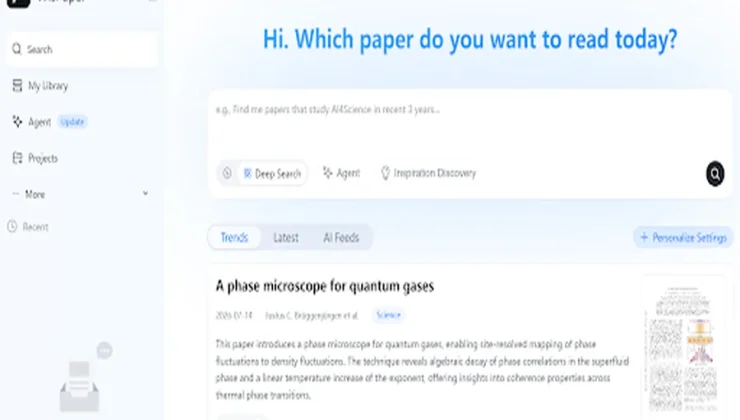
You’ve highlighted 40 PDFs this semester, yet when a colleague asks which paper had that one figure, you can picture the page but not the author. The highlight was meant to bookmark the memory; it just became proof you opened the file. WisPaper, an AI academic agent, treats remembering as something you practice, not something you store.
The Highlight That Feels Like Understanding
A neon yellow band tells you a sentence mattered, but not why. Highlighting without retrieval practice creates the illusion of knowing: you recognize the paper on sight but can’t produce its argument when it counts. The marks blur into a streak of things you meant to get back to. WisPaper starts from a different assumption: memory needs questions, not marks.
Feeding Yourself Papers Worth Remembering
Most reading lists grow by accident: a link from a group chat, a citation chased for one footnote, and suddenly the queue has no shape. Papers worth re-reading never get scheduled because they were never chosen. Graduate students and working researchers both end up with a folder of “important later” that just becomes a folder of guilt.
Turning Your Library Into a Question Bank
The better move is to treat your collection as prompts, not a shelf. Before filing a paper, write the question you’d need to answer to prove you read it. What changed between Figure 2 and Figure 4? Which baseline did the authors beat? A library of questions gives you something to test yourself against later.
Re-Reading With a Question in Mind
Some of this is built into tools now. WisPaper can read a paper with your notes and questions pinned to the text, so a second pass starts from your own queries rather than page one. Ask a question against your saved collection and the answer points back to the exact spot where the claim lives. The AI academic agent WisPaper keeps question and evidence in the same place, so the loop finally closes.
The Friday Recall Session That Actually Sticks
With a question bank in place, the habit stops being “reread everything” and becomes a short weekly test. Close the paper, answer three questions cold, then check yourself against the notes. Papers that survive that loop are the ones you can cite without opening the file.
Remembering a paper was never about the file at all. It’s about the questions you can answer from it, and the ones you can’t yet.