Wildlife You May Encounter on the Manaslu Circuit Trek
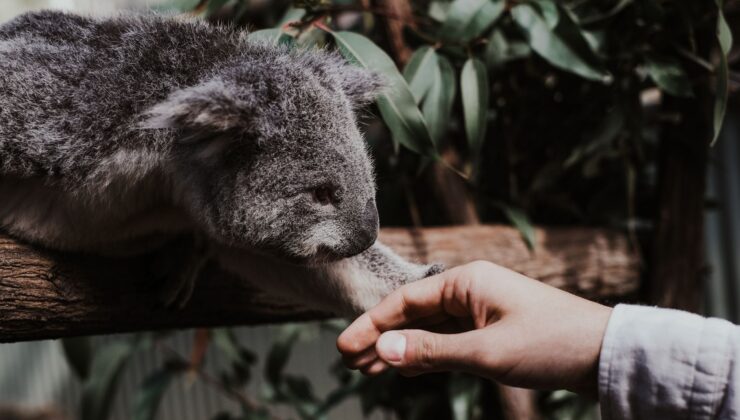
Nepal’s Himalayas are home to some of the world’s most diverse mountain ecosystems, offering trekkers the chance to experience breathtaking scenery alongside remarkable wildlife. The Manaslu Circuit Trek passes through lush subtropical forests, alpine meadows, and rugged high-altitude terrain, creating suitable habitats for a wide variety of native plants, mammals, and birds.
Unlike some of Nepal’s busier trekking routes, the Manaslu Trek offers a quieter and more immersive wilderness experience. Its relatively untouched environment gives trekkers a greater opportunity to observe wildlife in its natural habitat. Whether you are an avid birdwatcher, wildlife photographer, or simply a nature lover, the region offers unforgettable encounters with Himalayan wildlife.
Biodiversity of the Manaslu Region
The Manaslu Circuit passes through several ecological zones, each supporting different species of wildlife. Lower elevations are covered with dense forests of rhododendron, pine, oak, and bamboo, while higher elevations transition into alpine grasslands and rocky mountain landscapes.
Much of the trekking route lies within the Manaslu Conservation Area, a protected region established to preserve biodiversity while promoting sustainable tourism. The conservation area safeguards forests, rivers, glaciers, and fragile mountain ecosystems, making it one of Nepal’s richest wildlife habitats.
The Elusive Snow Leopard
One of the most iconic animals of the Himalayas is the snow leopard. These magnificent big cats inhabit the remote, high-altitude regions surrounding Manaslu. Perfectly adapted to cold and rocky terrain, snow leopards are extremely elusive and rarely seen by trekkers.
Although an actual sighting is exceptionally rare, knowing that these endangered predators inhabit the surrounding mountains adds excitement to the journey. Conservation efforts within the Manaslu region play a vital role in protecting this remarkable species and its fragile habitat.
Himalayan Blue Sheep (Bharal)
The Himalayan blue sheep, also known as bharal, is among the most commonly spotted mammals along the Manaslu Circuit Trek. These agile mountain animals are well adapted to steep cliffs and rocky slopes, where they often graze in small herds.
Their grey-blue coats blend remarkably well with the surrounding rocks, making them difficult to spot from a distance. Blue sheep are an important part of the Himalayan ecosystem and serve as a primary prey species for snow leopards.
Himalayan Musk Deer and Other Forest Wildlife
The lower forests of the Manaslu region are home to several fascinating mammals, including the Himalayan musk deer, a shy and solitary species that prefers dense woodland.
Trekkers may also encounter:
- Himalayan black bears
- Himalayan gray langurs
- Red foxes
- Himalayan martens
- Pikas and other small mountain mammals
Most of these animals avoid human activity, so sightings depend on quiet trekking, patience, and a little luck.
Birdwatching Along the Trail
The Manaslu Circuit is a rewarding destination for birdwatchers, with many Himalayan bird species inhabiting its forests, valleys, and mountain slopes.
One of the highlights is the Himalayan monal, Nepal’s national bird, famous for its brilliant iridescent feathers. Other birds that may be seen include:
- Himalayan griffon vultures
- Golden eagles
- Blood pheasants
- Snow pigeons
- Various species of finches, warblers, and mountain songbirds
Early mornings are often the best time to observe birds, especially near forested sections of the trail.
Wildlife Photography Opportunities
The Manaslu Circuit offers outstanding opportunities for wildlife photography. The combination of dramatic mountain landscapes and diverse wildlife creates exceptional photographic moments.
To improve your chances of capturing memorable wildlife images:
- Carry a telephoto or zoom lens.
- Photograph animals from a safe distance.
- Avoid disturbing wildlife.
- Be patient and move quietly.
- Start trekking early in the morning when animals are often more active.
Respecting wildlife helps photographers capture more natural images while protecting animals from unnecessary stress.
Conservation Efforts in the Manaslu Conservation Area
The Manaslu Conservation Area plays a crucial role in protecting Nepal’s unique biodiversity. Conservation initiatives focus on preserving endangered wildlife, maintaining forest ecosystems, and supporting local communities through sustainable tourism.
Responsible trekking practices help protect the environment by:
- Staying on designated trails
- Avoiding littering
- Respecting wildlife habitats
- Reducing noise in sensitive areas
- Supporting local guides and eco-friendly lodges
By following these simple practices, trekkers contribute to the long-term preservation of this extraordinary Himalayan ecosystem.
Tips for Responsible Wildlife Viewing
Wildlife encounters are most rewarding when animals are observed in their natural habitat without disturbance. Trekkers should:
- Keep a respectful distance from all wildlife.
- Never feed wild animals.
- Avoid making loud noises.
- Carry binoculars for better viewing.
- Follow the guide’s instructions at all times.
Responsible behavior helps ensure that future visitors can enjoy the same remarkable wildlife experiences.
Best Time to Spot Wildlife
Wildlife can be seen throughout the year, but the spring season from March to May and the autumn season from September to November generally provide favorable conditions. Pleasant weather, clearer visibility, and comfortable trekking temperatures make these months suitable for wildlife observation and photography.
However, sightings are never guaranteed because most Himalayan animals are naturally shy and avoid human activity.
Conclusion
The Manaslu Circuit Trek is far more than a scenic mountain adventure. It is a journey through one of Nepal’s richest natural ecosystems, where trekkers may encounter rare Himalayan mammals, colorful birds, and pristine alpine landscapes. From spotting blue sheep on rocky cliffs to listening to Himalayan birds in quiet forests, every day on the trail offers a deeper connection with nature.
By trekking responsibly and supporting conservation efforts, visitors help preserve the incredible biodiversity of the Manaslu region for future generations. For travelers seeking an authentic Himalayan experience that combines adventure, wildlife, and cultural discovery, the Manaslu Circuit Trek remains one of Nepal’s most rewarding destinations.