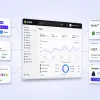
How AI Is Transforming Fleet Compliance Software

Fleet compliance is becoming increasingly difficult as transportation companies manage larger fleets, operate across multiple jurisdictions, and adapt to constantly evolving safety, environmental, and driver regulations. At the same time, fleets generate massive amounts of data from telematics, electronic logging devices (ELDs), maintenance systems, and driver records, making manual compliance tracking both time-consuming and prone to errors. As these operational demands continue to grow, businesses need smarter ways to maintain compliance without sacrificing efficiency. The global fleet management software market is projected to grow from $11.6 billion in 2026 to nearly $48 billion by 2034, reflecting the rising demand for intelligent fleet technologies.
Modern fleet compliance software is evolving beyond digital recordkeeping into AI-powered platforms that proactively identify risks, automate compliance workflows, and support data-driven decision-making. Rather than reacting to violations after they occur, organizations can use AI to predict maintenance issues, detect unsafe driving behaviors, monitor regulatory changes, and generate real-time compliance alerts before problems escalate. Industry research also shows that AI adoption is steadily increasing, with 79% of fleet managers reporting no AI integration in 2026, down from 85% in 2025, demonstrating a gradual shift toward intelligent fleet operations.
Today’s AI capabilities are transforming fleet compliance through predictive risk detection, automated document processing, maintenance forecasting, intelligent driver behavior analysis, real-time compliance monitoring, and advanced reporting. Together, these technologies help fleet operators move from reactive compliance management to proactive risk prevention, reducing administrative burden while improving safety, operational performance, and regulatory compliance.
How Does AI Improve Fleet Compliance Management?
Artificial intelligence is changing fleet compliance from a reactive, paperwork-driven process into an intelligent, automated system that continuously monitors operations and identifies risks before they become violations. Instead of relying on manual recordkeeping, spreadsheets, and periodic audits, AI analyzes data from telematics platforms, ELDs, maintenance systems, GPS devices, and compliance databases in real time. This enables fleet managers to reduce administrative workload, improve data accuracy, and make faster, more informed decisions.
By automating repetitive compliance tasks, AI also minimizes the risk of human error. Missing deadlines, entering incorrect information, or overlooking regulatory updates can result in costly fines, vehicle downtime, or safety incidents. AI helps eliminate these issues by continuously monitoring compliance requirements and executing routine workflows automatically.
The key ways AI improves fleet compliance management include:
- Automated compliance workflows. AI streamlines repetitive tasks such as monitoring driver hours, verifying inspection records, tracking regulatory deadlines, and generating compliance reports. Instead of manually checking multiple systems, fleet managers receive consolidated information and automated updates, allowing them to focus on higher-value activities.
- Predictive compliance alerts. Rather than notifying managers after a violation has already occurred, AI continuously analyzes operational data to identify potential compliance risks in advance. It can detect patterns such as approaching Hours of Service (HOS) limits, expiring certifications, recurring driver violations, or maintenance schedules that could lead to regulatory issues. Early alerts provide enough time to take corrective action before penalties or disruptions occur.
- Intelligent document processing. Fleet operations involve thousands of documents, including driver’s licenses, vehicle registrations, inspection reports, permits, insurance certificates, and regulatory forms. AI-powered document processing automatically extracts information using optical character recognition (OCR), validates data against predefined rules, identifies missing or inconsistent information, and stores records in centralized repositories. The system can also monitor expiration dates and automatically send renewal reminders, reducing the risk of operating with outdated documentation.
- Maintenance forecasting for continuous compliance. Vehicle condition is a critical component of regulatory compliance. AI analyzes historical maintenance records, telematics data, diagnostic codes, mileage, engine hours, and driving patterns to predict when servicing will be required. Instead of relying solely on fixed maintenance intervals, fleets can schedule repairs based on actual vehicle condition. This proactive approach reduces unexpected breakdowns, helps vehicles consistently meet inspection requirements, and minimizes the likelihood of compliance violations caused by overdue maintenance.
- Continuous monitoring across multiple data sources. AI combines information from fleet management platforms, GPS systems, telematics devices, fuel management software, maintenance applications, and regulatory databases into a unified compliance view. This gives fleet managers real-time visibility into vehicles, drivers, and compliance status without switching between disconnected systems.
- Improved reporting and audit readiness. Preparing for regulatory inspections often requires gathering documentation from multiple sources. AI simplifies this process by automatically organizing records, verifying data completeness, and generating audit-ready reports. This significantly reduces preparation time while improving confidence that all required documentation is accurate and readily available.
As fleets continue to grow and regulations become more complex, AI provides the scalability needed to manage compliance efficiently. Instead of reacting to violations after they occur, organizations can anticipate risks, automate routine processes, and maintain continuous compliance with far less manual effort. The result is lower administrative costs, fewer compliance incidents, improved vehicle uptime, and safer fleet operations.
What Operational Benefits Does AI Bring to Fleet Compliance?
Beyond automating administrative tasks, AI delivers measurable operational improvements that help fleet operators reduce risk, improve safety, and make better business decisions. By continuously analyzing data from connected vehicles, telematics systems, electronic logging devices (ELDs), maintenance platforms, and compliance records, AI provides a comprehensive view of fleet performance and identifies opportunities for optimization. Instead of relying on historical reports, fleet managers can respond to emerging issues in real time and take preventive action before they affect compliance or operations.
The most significant operational benefits include:
- AI-powered driver behavior analysis. Unsafe driving is one of the leading causes of accidents, vehicle damage, and regulatory violations. AI continuously evaluates telematics data to identify behaviors such as harsh braking, rapid acceleration, excessive speeding, aggressive cornering, distracted driving, excessive idling, and driver fatigue. Rather than simply recording incidents, AI detects behavioral patterns over time, helping managers identify high-risk drivers, deliver targeted coaching, and encourage safer driving habits. This leads to fewer accidents, lower insurance costs, improved fuel efficiency, and stronger regulatory compliance.
- Intelligent risk detection across multiple data sources. Traditional compliance tools often evaluate individual events in isolation, while AI connects information from telematics, maintenance records, inspection reports, driver performance, vehicle diagnostics, and historical compliance data. This broader analysis helps uncover risks that may otherwise remain hidden. For example, AI can identify vehicles that repeatedly fail inspections, detect drivers with increasing safety violations, or recognize maintenance trends that could result in future compliance failures. These insights enable organizations to prioritize corrective actions before small issues become costly operational problems.
- Advanced reporting and analytics. AI transforms large volumes of operational data into meaningful insights through automated dashboards, performance reports, and predictive analytics. Fleet managers can monitor compliance status, driver performance, vehicle health, maintenance trends, and regulatory metrics from a centralized platform. Instead of manually compiling reports, AI automatically generates audit-ready documentation, highlights compliance gaps, and recommends areas for improvement. This simplifies regulatory audits, reduces reporting time, and supports faster, data-driven decision-making.
- Continuous operational optimization. AI continuously evaluates fleet operations to identify inefficiencies that affect compliance and performance. It can recommend optimized maintenance schedules, highlight underutilized vehicles, detect recurring compliance bottlenecks, and identify operational processes that require improvement. As more data becomes available, AI models continue learning, allowing recommendations to become increasingly accurate over time.
- Proactive decision support. Rather than overwhelming fleet managers with raw data, AI prioritizes alerts based on urgency and business impact. Managers receive recommendations for immediate corrective actions, helping them allocate resources efficiently and focus on the issues that present the greatest operational or regulatory risk.
These capabilities generate value across the entire fleet operation. Organizations benefit from lower compliance costs by reducing manual administrative work, avoiding regulatory penalties, minimizing unplanned maintenance, and preventing costly accidents. At the same time, improved driver safety, higher vehicle availability, and faster decision-making contribute to greater operational efficiency. As AI continues to evolve, it is becoming a strategic tool that helps fleet operators move beyond basic compliance management toward safer, more resilient, and data-driven fleet operations.
Why Should Businesses Invest in AI-Powered Fleet Compliance Software?
As fleet operations become more complex, traditional compliance tools are no longer sufficient to keep pace with changing regulations, growing data volumes, and increasing operational demands. AI-powered fleet compliance software enables organizations to move beyond manual compliance management by automating processes, identifying risks proactively, and delivering real-time insights. Instead of treating compliance as a standalone administrative function, businesses can make it an integrated part of their broader operational strategy.
Investing in AI delivers long-term value that extends well beyond regulatory compliance. Intelligent automation reduces the time spent on repetitive administrative tasks, while predictive analytics help prevent costly violations, vehicle downtime, and safety incidents. As fleets expand, AI solutions can scale alongside the business, processing growing volumes of operational data without requiring proportional increases in administrative resources.
The key business benefits include:
- Improved regulatory compliance. Continuous monitoring, automated alerts, and intelligent workflows help organizations meet evolving regulatory requirements while reducing the risk of missed deadlines and compliance violations.
- Lower operational costs. AI minimizes manual data entry, automates reporting, optimizes maintenance scheduling, and helps prevent expensive penalties, accidents, and unexpected vehicle downtime.
- Greater scalability. AI platforms can efficiently manage growing fleets operating across multiple regions, facilities, and regulatory environments without significantly increasing administrative complexity.
- Faster and better decision-making. By consolidating operational, maintenance, driver, and compliance data into centralized dashboards, AI provides managers with actionable insights that support strategic planning and daily operations.
- Improved safety and operational performance. Predictive risk detection, driver behavior analysis, and maintenance forecasting contribute to fewer incidents, higher vehicle availability, and more efficient fleet utilization.
To maximize these benefits, organizations should select AI-powered solutions that integrate seamlessly with their existing technology ecosystem. Effective fleet compliance depends on the ability to connect telematics devices, fleet management platforms, ERP systems, electronic logging devices (ELDs), maintenance software, HR systems, and document management solutions into a unified environment. Strong integrations eliminate data silos, reduce duplicate work, and ensure compliance decisions are based on accurate, real-time information from every part of the business.
Businesses with unique operational requirements often benefit from custom-built solutions rather than one-size-fits-all platforms. COAX Software develops AI-powered fleet management and compliance solutions tailored to each organization’s workflows, regulatory requirements, and business goals. By integrating disparate systems, automating compliance processes, applying predictive analytics, and delivering centralized operational visibility, COAX helps fleet operators transform complex compliance activities into efficient, data-driven processes that improve safety, reduce costs, and support sustainable business growth.
Stay Ahead With Intelligent Compliance
Fleet compliance is no longer just about meeting regulatory requirements. It has become a strategic function that directly impacts safety, operational efficiency, and business performance. AI is transforming compliance from a manual, reactive process into an intelligent, predictive operation by automating routine tasks, identifying risks before they become violations, forecasting maintenance needs, and providing actionable insights from real-time data.
Businesses that invest in AI-powered compliance solutions are better equipped to reduce operational risk, improve driver safety, lower administrative costs, and adapt to evolving regulations with confidence. As fleets continue to grow and compliance requirements become more demanding, intelligent technologies will play an increasingly important role in maintaining operational resilience and long-term competitiveness. By embracing AI today, fleet operators can build a safer, more efficient, and future-ready compliance strategy that supports sustainable growth.